

 Srbija
 Hrvatska
 Slovenija


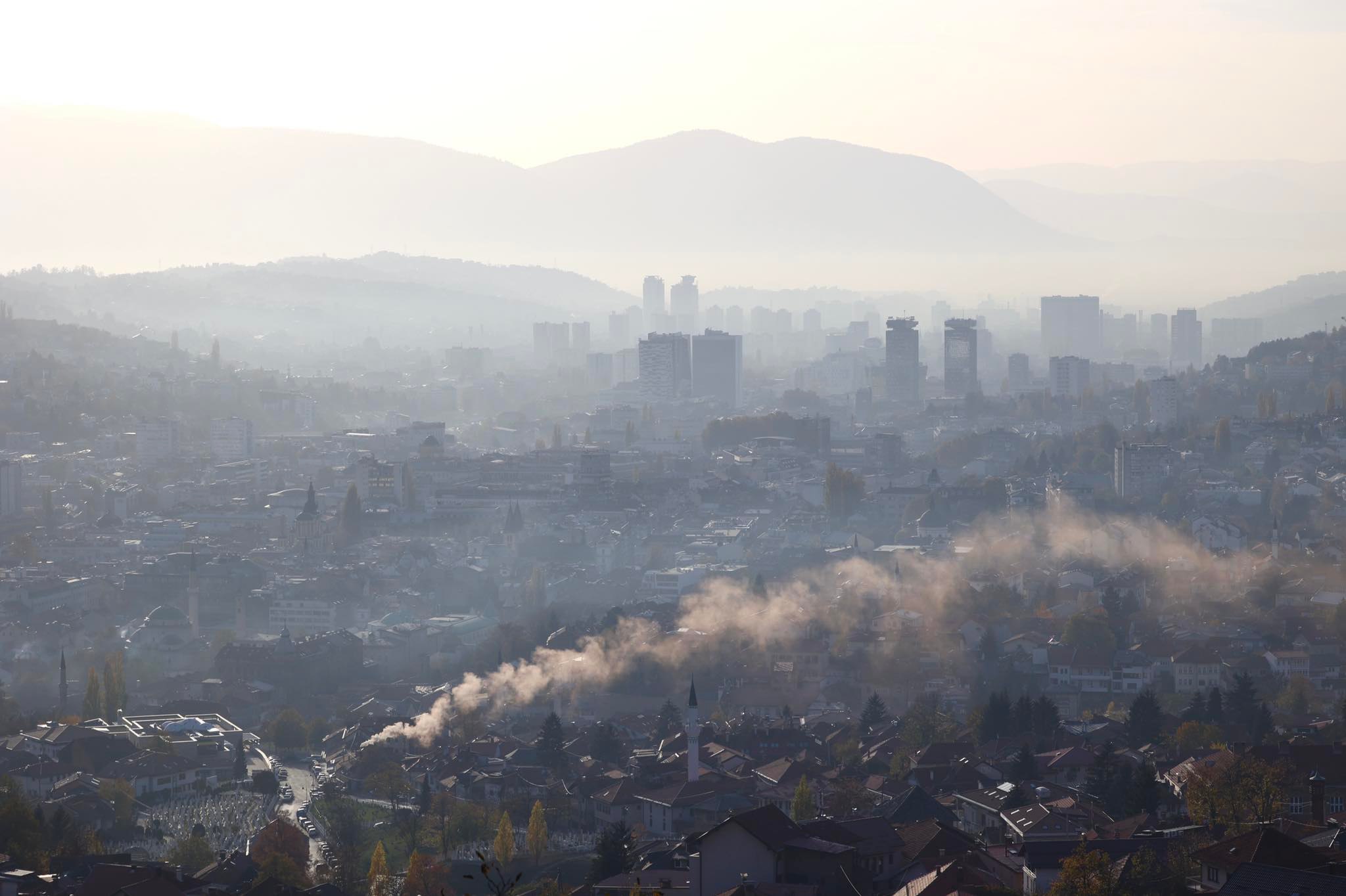
The highest number of coal-fired power plants using outdated technology in Southeast Europe are located in Bosnia and Herzegovina, where air pollution is the leading cause of death for around 3,000 people each year.
Among the six coal-fired power plants that cause the most air pollution in Southeast Europe, four are in BiH, according to a 2024 report by the network of environmental organisations Bankwatch, the Centre for Environment, and the Aarhus Centre.
Their sulphur dioxide emissions are 11.3 times higher than permitted levels. The biggest polluters include the Ugljevik, Gacko, Tuzla 6, and Kakanj 7 power plants, which continue to release hazardous gases and dust into the atmosphere.
Ugljevik, located about 20 kilometres from Bijeljina, is the region’s worst offender, emitting 112,943 tonnes of sulphur dioxide in 2024. The region’s largest emitter of dust last year was Gacko in eastern BiH, which discharged 3,339 tonnes, or 13.7 times the permitted amount.
Pollution from nitrogen oxides from coal-fired power plants has also increased and once again exceeds the maximum allowed limits.
“SO₂ emissions in Bosnia and Herzegovina are increasing year by year. The plants are becoming less and less efficient, and coal of ever poorer quality is being used,” said Dragan Ostić from the Centre for Environment.
Pollution from these power plants is not just an environmental issue; it poses a serious health risk. According to previous World Bank data, air pollution in BiH causes the death of at least 3,300 people each year, with children particularly affected.
UNICEF reports that 20% of children in the country suffer from respiratory problems, and long-term exposure to pollution can have severe consequences for lung development.
Kakvo je tvoje mišljenje o ovome?
Učestvuj u diskusiji ili pročitaj komentare


Kakvo je tvoje mišljenje o ovome?
Učestvuj u diskusiji ili pročitaj komentare