

 Srbija
 Hrvatska
 Slovenija

Increasing celiac disease cases in Bosnia: Gluten-free diets pose financial strain


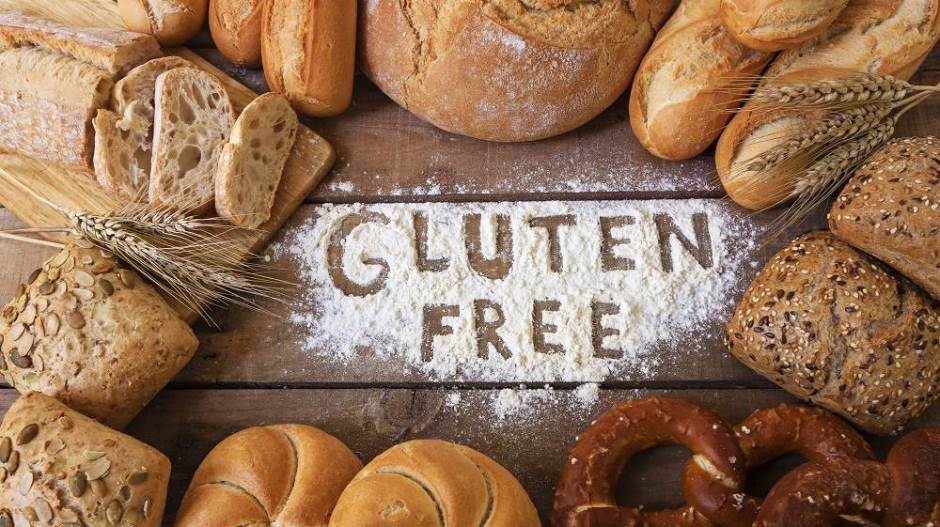
Bosnia and Herzegovina is witnessing an increase in diagnosed celiac disease cases, for which there is no medication available in tablet form.
The only treatment is a strict gluten-free diet, which comes at a high cost, making it a significant financial burden for patients. This article discusses the challenges faced by those living with celiac disease in BiH and how they manage their condition.
Living with celiac disease
Emina Ruzic from the Association “Life with Celiac Disease” shared her experience, revealing that both she and her son have celiac disease. She became actively involved after her son was diagnosed at the age of one. During the 1990s, information about celiac disease was scarce, making management difficult. Ruzic noted, “Thanks to a lady from Banja Luka, we started organizing support for patients, which began through a contact number shared on Alternative Television.”
Early diagnosis and challenges
Diagnosing her son's condition was a significant challenge. Ruzic recalled, “It was a shock when my son was diagnosed in Belgrade. I had never heard of celiac disease before. The immediate gluten-free diet led to noticeable improvement, which was astounding given his severe initial symptoms.”

Dietary struggles and social isolation
Ružić and her son faced dietary restrictions, leading to social isolation. “Until the age of seven, my son hadn’t tasted chocolate or candy,” she mentioned. Snježana Bokšić-Anić, from the “Gluten Free” association, shared similar struggles, noting that both her husband and son were diagnosed with celiac disease after initial symptoms were overlooked.
Raising awareness and improving diagnosis
Dr. Sonja Bjelosevic-Nalic from the “No Gluten” Association emphasized the importance of taking celiac disease seriously. She pointed out misconceptions about gluten-free diets being fashionable rather than medically necessary, stressing, “Celiac disease is an autoimmune disorder, not a choice.”
Economic burden
The cost of a gluten-free diet is substantial. Ruzic highlighted that gluten-free flour costs between 9.50 and 12.00 KM per kilogram. “Living with celiac disease is easier today than 30 years ago, but we still need official recognition that gluten-free products are essential for patients,” she said. Boksic-Anic added that her association achieved partial funding for gluten-free food, but more support is needed.
Social impact
Boksic-Anic discussed the social exclusion faced by children with celiac disease. “These children often miss out on birthday parties due to dietary restrictions. Gluten-free snacks are expensive and not always available locally.”
Kakvo je tvoje mišljenje o ovome?
Učestvuj u diskusiji ili pročitaj komentare


Kakvo je tvoje mišljenje o ovome?
Učestvuj u diskusiji ili pročitaj komentare