

 Srbija
 Hrvatska
 Slovenija

Regulus Global tells N1: Political gridlock and outdated tech stifling Bosnia’s defence industry


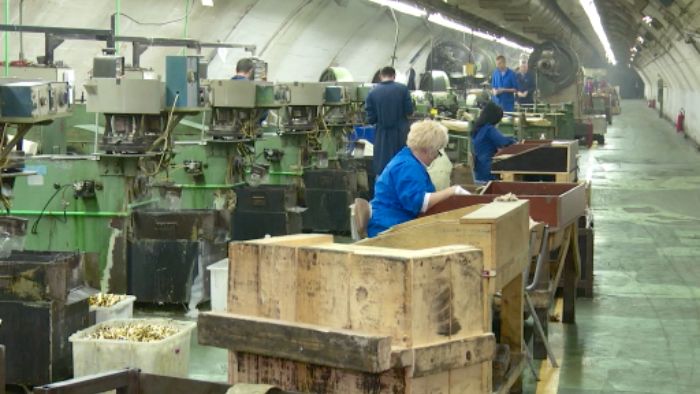
American company Regulus Global is expanding its footprint in Bosnia and Herzegovina, signalling that while the local defence sector possesses the necessary expertise and market access, its evolution is being hamstrung by political interference and aging infrastructure.
In an interview with N1, Paul Ekoniak, Senior Director of Management and Quality, and Ike Horvath, Vice President of Operations for Kinetic and Energetic Systems, emphasized that the country is a pillar of their long-term strategy rather than a fleeting business opportunity. They cited the nation’s industrial tradition, technically skilled workforce, and strategic geographic location as primary assets.
A barrier of political management
Despite the high potential, the executives identified a critical bottleneck: the heavy hand of politics in state-influenced companies. According to Regulus Global, key decisions are frequently driven by political agendas rather than market logic or professional expertise. This model, they argue, actively delays modernization and the opening of new production lines.
The investors stressed that the human capital, ranging from veteran technicians to engineers, is already in place to meet modern demands, provided they are given the right tools.
“To remain competitive, we must rapidly rebuild with modern machinery and technology. The world has moved on, and with the knowledge and capability of the Bosnian workforce, this upgrade can be achieved in six months or less.”

Combatting brain drain
Beyond machinery, Ike Horvath warned that the domestic labour market is losing its brightest minds. He suggested that the "brain drain" is a symptom of a lack of local projects rather than a desire to leave.
“Brain drain exists because the opportunity is few and far in between. If you give the people opportunity, they don't want to leave home. They'll come back,” Horvath noted.
The global demand for defence manufacturing is currently surging, particularly due to the war in Ukraine and increased European orders. However, the investors claim many Bosnian firms are operating under capacity, not for a lack of work, but due to sluggish decision-making processes that fail to align with rapid market shifts.
A vision for the future
Regulus Global reaffirmed its commitment to the region, announcing plans to develop local talent through training and specialized programs for young professionals.
“We have a long-term vision for Bosnia by investing not just as a business partner, but directly in the country’s people and future. This includes a forthcoming fellowship focused on defence manufacturing, close collaboration with local partners and factories, and a strong focus on developing the next generation of Bosnian engineers and specialists. The goal is to modernize and strengthen an already skilled manufacturing community, deepen investment in talent across multiple engineering disciplines, and reaffirm a lasting commitment to modernizing the defence industry in Bosnia and Herzegovina.”
The final verdict from the investors is clear: Bosnia and Herzegovina has the industrial foundation and the global market at its doorstep, but unlocking that potential requires a shift toward professionalized, depoliticized management.
Kakvo je tvoje mišljenje o ovome?
Učestvuj u diskusiji ili pročitaj komentare


Kakvo je tvoje mišljenje o ovome?
Učestvuj u diskusiji ili pročitaj komentare