Srbija
 Hrvatska
 Slovenija

Bolton: Bosnia's stability crucial for the Balkans, Washington paying too little attention to region


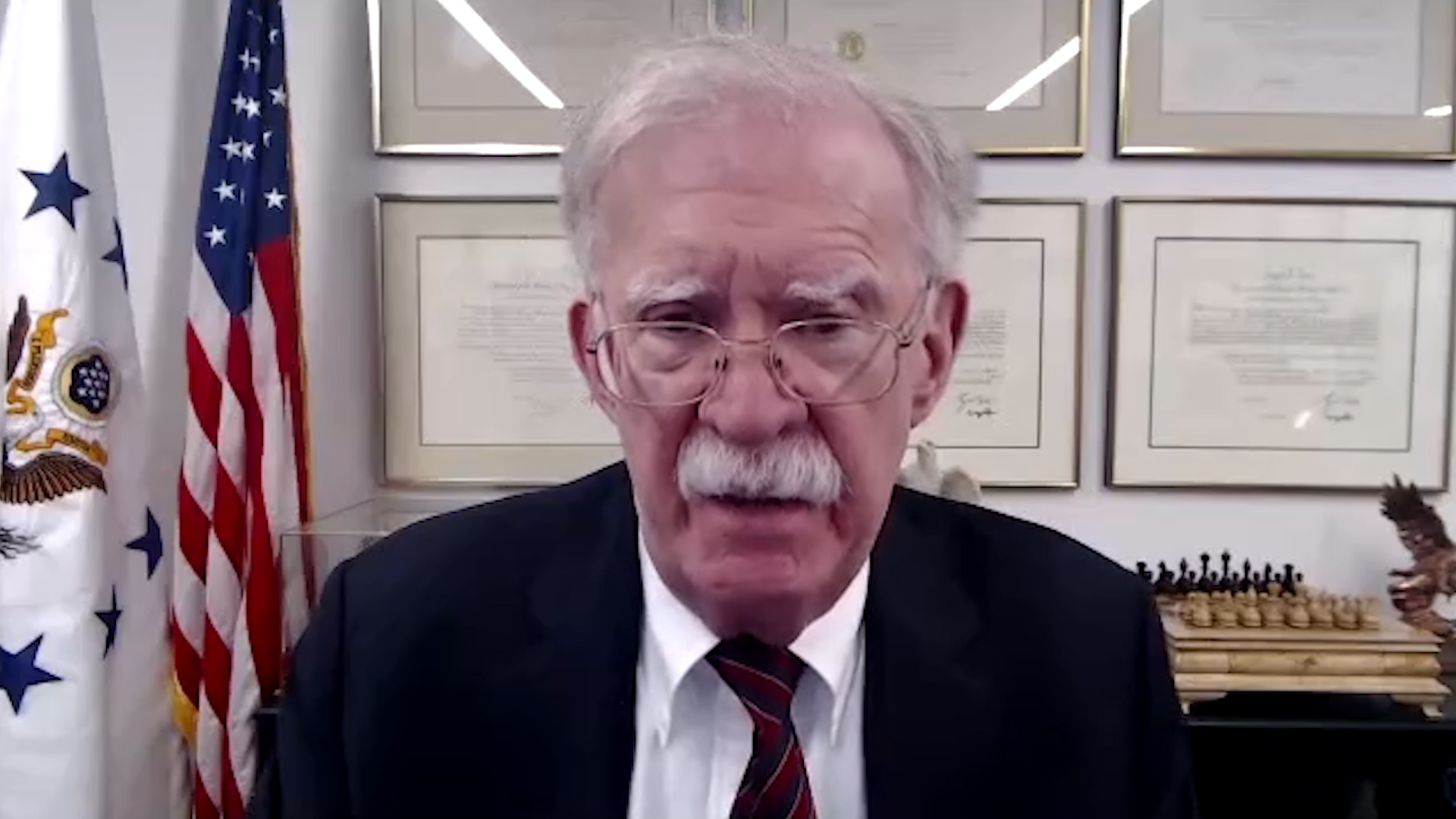
The path to NATO membership is crucial for Bosnia and Herzegovina and other countries aspiring to join the Alliance, former US National Security Advisor to President Donald Trump John Bolton said in an interview with FENA, adding that political turmoil in Washington following the midterm congressional elections leaves little room for stronger US engagement in the Western Balkans.
Bolton, who also served as US Ambassador to the United Nations, believes that the administration of President Donald Trump made a mistake by failing to pay sufficient attention to stability in the Balkans, particularly given the Russian threat to Ukraine, unresolved disputes following the breakup of the former Yugoslavia, and new tensions which, in his view, are being fueled by Russian interference in the region.
“Washington would be much better served by taking a more active role in the Balkans, but that has not happened. Given all the political turmoil I expect in Washington, I do not see much prospect of the region receiving greater attention,” Bolton said.
He said that a continuation of the existing US policy was the most likely outcome, but cautioned that he did not necessarily consider such continuity a positive development. He added that a catastrophe might be what it takes to draw greater attention from Washington, which would be in nobody's interest.
Speaking about the Euro-Atlantic integration of BiH and other countries in the region, he stressed that NATO membership was, in many respects, even more important than European Union membership.
“The path to NATO membership is absolutely crucial for all countries that are still seeking to join the Alliance,” he said.
He linked this assessment to increased Russian activity in what is known as gray-zone warfare in Eastern and Central Europe. As an example, he cited frequent bomb threats targeting commercial aircraft, while explicitly noting that there was no conclusive evidence linking Russia to them.
Asked about the Trump administration's approach to the political leadership of Republika Srpska, separatist rhetoric and the protection of Bosnia and Herzegovina's territorial integrity, Bolton recalled that US foreign policy, dating back to the breakup of the former Yugoslavia in the early 1990s, has been based on the premise that stability in Bosnia and Herzegovina is essential to stability throughout the Balkans.
He added that this policy had experienced ups and downs over the years, but that the strong US commitment to stability in BiH had been very important.
At the same time, he said that the European Union's numerous attempts to resolve issues contributing to instability had been unsuccessful, and that US policy had also done little to bring about a genuine resolution of disputes.
Nevertheless, he believes that the US position on the need to preserve stability has remained relatively clear.
“I do not expect that to change, but I want to emphasize again that this is more a result of inertia – the fact that nobody is dealing with this issue or saying that we need a new policy – than a reaffirmation of the existing policy,” Bolton told FENA.
He also does not expect any swift or significant changes to US sanctions against individuals in BiH following the shift in the balance of power in Congress, or to the broader approach to sanctions and other economic pressure measures applied over the years.
He explained that these expectations did not mean he considered the current situation satisfactory, but rather that he saw it as a consequence of the insufficient attention paid to the region by the highest levels of the US administration.
Commenting on political developments in Serbia, Bolton described the fall of Aleksandar Vucic's government as a historically significant event, but stressed that it remained to be seen whether the Student List could offer a coherent platform and establish a stable alternative to the previous government.
In his view, Serbia still faces numerous internal disputes that need to be resolved, and he is not convinced that intervention by the United States or other external actors would help this process.
According to Bolton, the broader framework of US policy toward the region will be shaped by a fierce political struggle in Washington following the Democrats' victory in the midterm elections and their takeover of both chambers of Congress.
He interpreted the election results as a strong rejection of Trump's performance to date, recalling that the president himself had urged voters to view the elections as a referendum on his record in office.
Kakvo je tvoje mišljenje o ovome?
Učestvuj u diskusiji ili pročitaj komentare


Kakvo je tvoje mišljenje o ovome?
Učestvuj u diskusiji ili pročitaj komentare