

 Srbija
 Hrvatska
 Slovenija


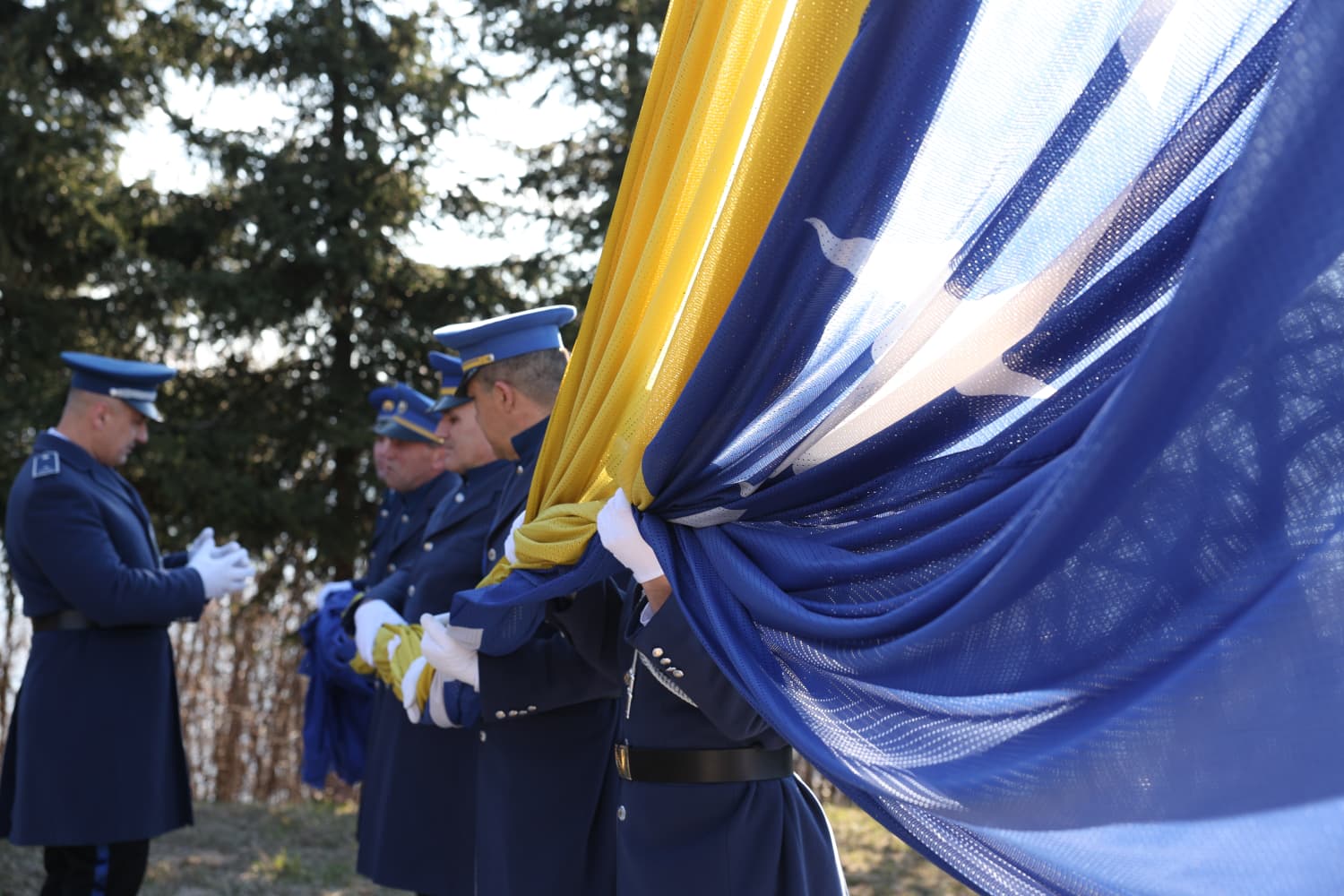
Bosnia and Herzegovina marked Independence Day on March 1 with ceremonies across the country, commemorating the 1992 referendum in which citizens voted overwhelmingly to restore the country’s sovereignty and independence after decades of Yugoslav rule.
The referendum, held on February 29 and March 1, 1992, asked voters whether they supported “a sovereign and independent Bosnia and Herzegovina, a state of equal citizens and peoples.” Of the 2,073,568 citizens who participated, 99.7 percent voted in favor of independence. The results were formally adopted on March 6, 1992, and the country soon gained international recognition.
The European Community recognized Bosnia and Herzegovina on April 6, followed by the United States a day later. On May 22, 1992, the country became a full member of the United Nations, marking a major diplomatic milestone. Some countries, including Bulgaria and Turkey, had already recognized Bosnia’s sovereignty earlier that year.
Independence Day remains one of the most significant dates in the country’s modern history, symbolizing the right of its citizens to determine their political future. However, the holiday is not universally observed across Bosnia, reflecting ongoing political divisions more than three decades later.
Ceremonies and tributes in Sarajevo
The official commemoration began with a flag-raising ceremony on Mount Hum overlooking Sarajevo, attended by members of the Presidency, military officials, and citizens. Presidency Chair Zeljko Komsic and member Denis Becirovic also laid flowers at memorial sites, including Kovaci Cemetery, the Eternal Flame monument, and other locations honoring victims of the 1992–1995 war.
Komsic emphasized that Bosnia and Herzegovina’s independence is not in question but warned of continued political challenges.
“We are a formally recognized state. Our struggle today is against policies and individuals who seek to push this country back to the end of the last century and question its existence. They failed before, and they will fail again,” he said.
Evening events included a formal reception at Sarajevo’s historic City Hall to mark the national holiday.
Independence remains central to BiH’s political identity
Presidency member Denis Becirovic described Independence Day as a symbol of “freedom and dignity,” stressing that the referendum prevented attempts to divide the country and ensured its survival as a sovereign state.
He said Bosnia’s independence was secured in accordance with international standards and under international supervision, reflecting the democratic will of its citizens.
House of Peoples Speaker Kemal Ademovic said independence is a value that must be continuously defended, honoring those who lost their lives during the war.
“Independence is not a one-time event, but a permanent responsibility for every generation,” Ademovic said.
The referendum and subsequent international recognition marked a defining moment in Bosnia and Herzegovina’s modern history, establishing it as an independent state and member of the international community - a status that remains central to its political and national identity today.
Kakvo je tvoje mišljenje o ovome?
Učestvuj u diskusiji ili pročitaj komentare


Kakvo je tvoje mišljenje o ovome?
Učestvuj u diskusiji ili pročitaj komentare