

 Srbija
 Hrvatska
 Slovenija


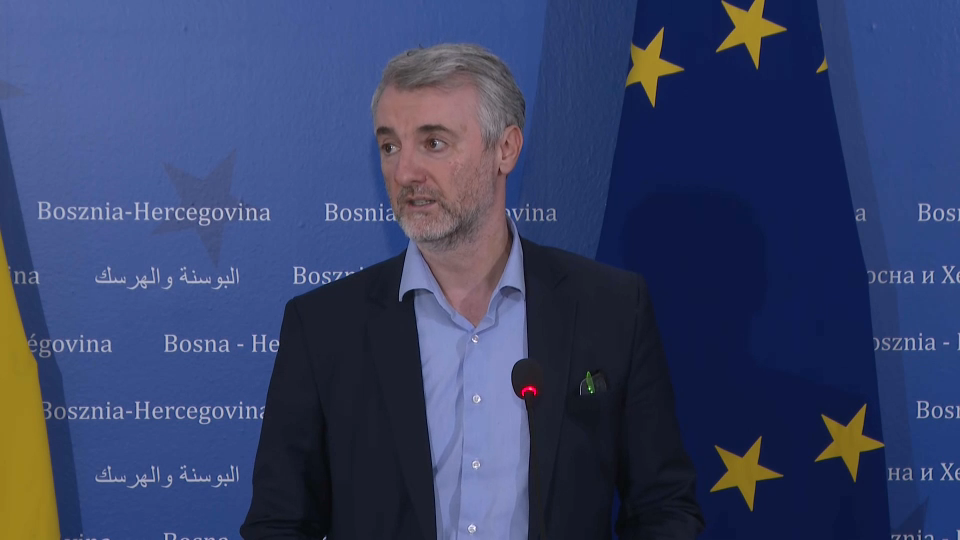
The newly formed Working Group for the Coordination of Activities Related to the Stay of Professional Drivers in the Schengen Area held its first meeting in Sarajevo to address the crisis facing Bosnia and Herzegovina’s transport sector. The group adopted several urgent conclusions to resolve restrictions that limit professional drivers' stay within the Schengen zone to 90 days out of every 180.
Bosnia's Transport and Communications Minister Edin Forto announced that the group is calling on the Council of Ministers to urgently request a high-level meeting with the Government of Croatia. The goal is to establish a more tolerant border-crossing regime for licensed drivers. Additionally, the Ministry of Foreign Affairs will brief all EU embassies in BiH on the situation. Forto warned that the current impasse threatens the entire national economy, not just the transport sector. "The announced blockades of freight traffic and border crossings planned for next Monday potentially threaten the entire economy," Forto stated, emphasizing the need for transitional solutions.
Zijad Saric, representing the “Logistika” Consortium, revealed that the situation has reached a breaking point, with 875 drivers already turned back at the Croatian border. He described the enforcement of European rules as unpredictable and inconsistent across various crossings, creating operational chaos. Transport operators have already canceled hundreds of shipments and previously postponed protests to allow for diplomatic intervention. However, Saric noted that unless tangible results are achieved, the protests scheduled for March 23 will proceed.
Supporting these efforts, the Presidents of the Chambers of Economy of the Federation of BiH and Republika Srpska, Mirsad Jasarspahic and Goran Racic, warned of a "domino effect." They stressed that if transport companies lose business due to these restrictions, the BiH economy risks being severed from global supply chains, leading to increased logistics costs and a loss of international competitiveness.
The Working Group, comprising representatives from the Council of Ministers, the Foreign Trade Chamber of BiH, and entity-level chambers, is now looking toward meetings in Brussels for potential positive developments to stabilize the sector before the protest deadline.
Kakvo je tvoje mišljenje o ovome?
Učestvuj u diskusiji ili pročitaj komentare


Kakvo je tvoje mišljenje o ovome?
Učestvuj u diskusiji ili pročitaj komentare