

 Srbija
 Hrvatska
 Slovenija

EU Delegation head: Without two laws, there will be no accession talks with BiH


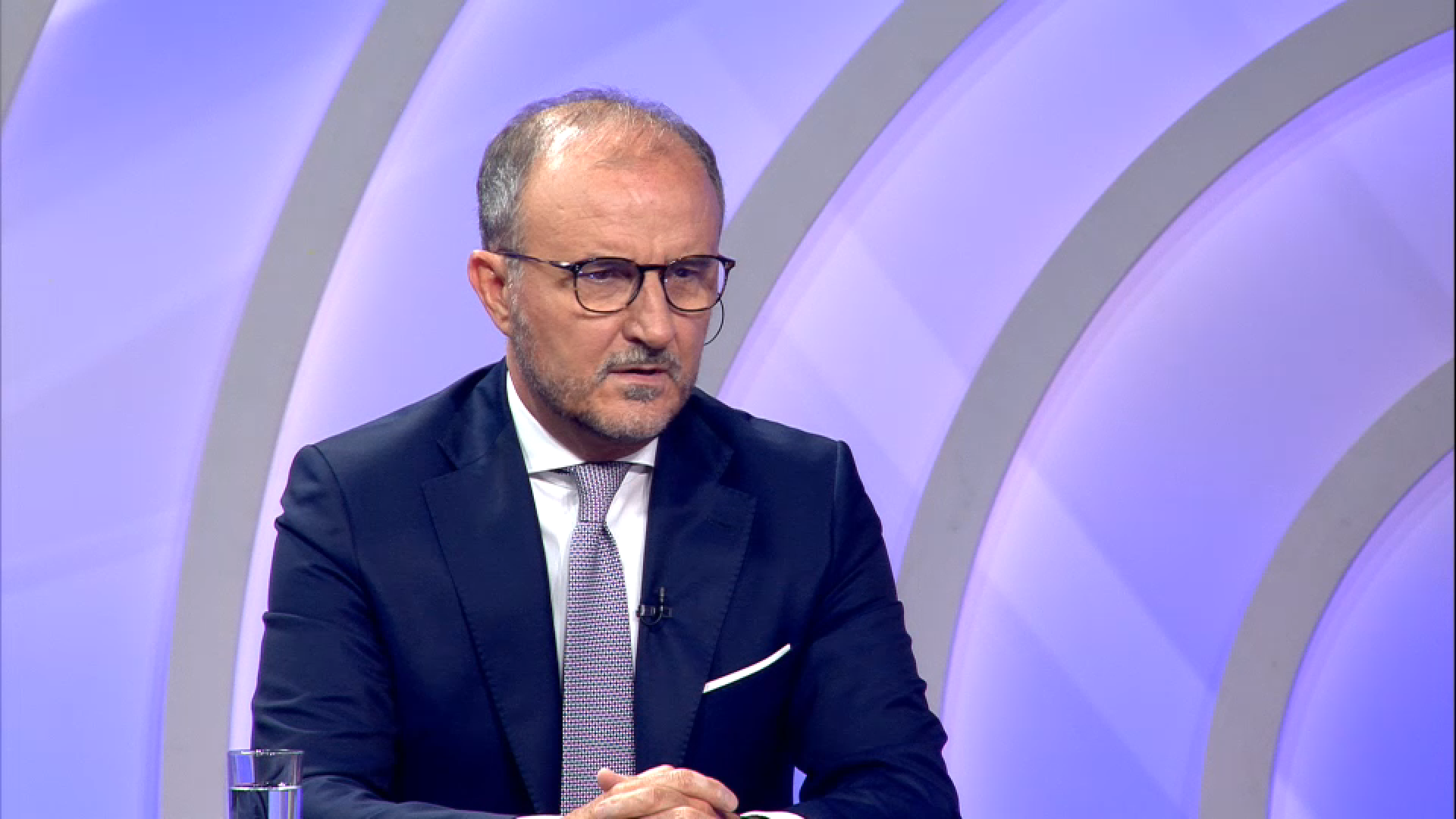
Without the adoption of the Law on Courts and the Law on the High Judicial and Prosecutorial Council, Bosnia and Herzegovina (BiH) cannot count on the start of accession negotiations with the EU, the head of the EU Delegation to Bosnia and Herzegovina, Luigi Soreca, confirmed on Monday.
"The EU expects their adoption, and in a version fully aligned with European Union standards. Only such laws can have the EU's full support, and their adoption is also a prerequisite for establishing the negotiating framework," Soreca told reporters in Sarajevo, almost simultaneously with the failure of yet another attempt by the BiH Council of Ministers to approve these laws and forward them to parliament for adoption.
The laws were not adopted because ministers from the Alliance of Independent Social Democrats (SNSD) of Milorad Dodik blocked the agenda, preventing the Council of Ministers session from taking place.
Soreca recalled that these laws are important not only for opening accession negotiations but also because they are part of the reform plan previously adopted by the Council of Ministers and approved last week by the European Commission.
That document is also a prerequisite for BiH to gain access to a fund of around €970 million provided through the EU Growth Plan for the Western Balkans.
"I want to stress once again: adopting these laws is extremely important," Soreca said.
The Chair of the BiH Council of Ministers, Borjana Kristo, confirmed that the SNSD ministers obstructed the work by introducing completely new demands.
Last week, she recalled, their excuse was that the bills had been delivered too late, while now they were setting entirely different conditions for holding the session.
"Unfortunately, the political will was lacking today," Kristo said, adding that she is doing everything she can under the current circumstances.
"I could not influence the choice of ministers… We have what we have, and it is difficult to work within such constraints," she said, referring to legal provisions under which the Chair of the Council of Ministers is merely first among equals, while ministers are appointed solely based on nominations submitted by political parties.
Ministerial dismissals can be carried out only with the consent of both chambers of the state parliament, meaning the process also depends on decisions within political parties.
A new session of the Council of Ministers, and therefore a potential discussion on the laws demanded by the EU, is scheduled for 16 December. Kristo stated this would be a new opportunity for everyone to once again demonstrate their political will and responsibility.
Kakvo je tvoje mišljenje o ovome?
Učestvuj u diskusiji ili pročitaj komentare


Kakvo je tvoje mišljenje o ovome?
Učestvuj u diskusiji ili pročitaj komentare