

 Srbija
 Hrvatska
 Slovenija


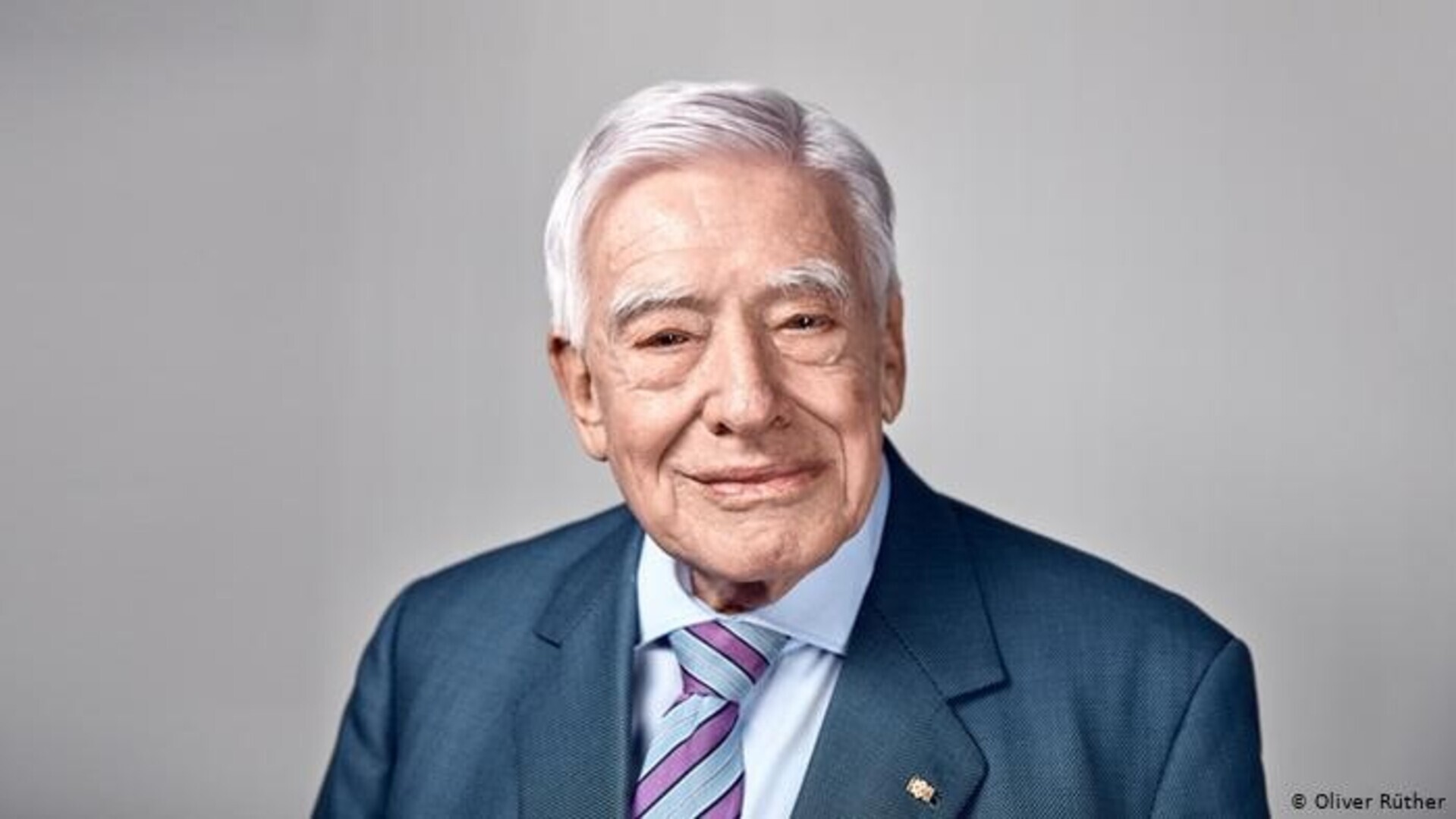
Christian Schwarz-Schilling, the former High Representative for Bosnia and Herzegovina and a prominent German politician, has passed away, according to a report by Politicki.ba. His political career was defined by his long-standing commitment to the Balkans and his distinct views on the post-war structure of BiH.
Born in 1930 in Innsbruck, Schwarz-Schilling established his political foundation within the ranks of Germany's Christian Democratic Union (CDU). Throughout his decades-long career, he served as a member of the Bundestag, earning a reputation for his expertise in telecommunications and international relations. He held the position of Federal Minister for Post and Telecommunications under Chancellor Helmut Kohl from 1982 to 1992.
A defining moment in his career was his resolute opposition to the international community's policy during the war in Bosnia. Schwarz-Schilling resigned from his ministerial post in 1992 as a protest against what he described as an inadequate Western response to the conflict and the suffering in BiH.
Following his resignation, he became deeply involved in diplomatic efforts, mediating various humanitarian and political initiatives across the Balkans. Over the years, he served as an international mediator and advisor, consistently advocating for stronger international engagement to stabilize the region.
In 2006, he was appointed High Representative for Bosnia and Herzegovina, succeeding Paddy Ashdown. During his mandate, which lasted until 2007, Schwarz-Schilling introduced a departure from the practices of his predecessors. Politicki.ba reminds that, instead of imposing decisions, he championed greater responsibility for local political actors and sought to reduce the interventionism of the Office of the High Representative.
Throughout his term, he frequently emphasized that political leaders in BiH must take ownership of the reform processes and the country’s European path. However, this "hands-off" approach faced criticism from segments of both the international and domestic public who argued it led to a stagnation of necessary reforms.
Prior to his work in Bosnia, Schwarz-Schilling was active in the private sector, particularly in telecommunications, and worked as a consultant and mediator for international projects. His death marks the passing of a key international figure of the post-war era, a politician who, even during the height of the conflict, warned of the need for more decisive international action, Politicki.ba said.
Kakvo je tvoje mišljenje o ovome?
Učestvuj u diskusiji ili pročitaj komentare


Kakvo je tvoje mišljenje o ovome?
Učestvuj u diskusiji ili pročitaj komentare