


 Srbija
 Hrvatska
 Slovenija


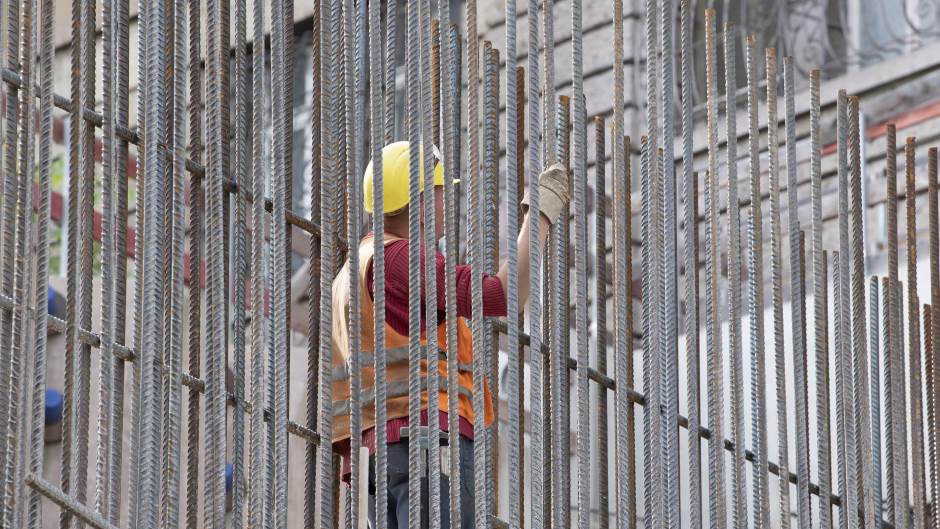
Foreign nationals accounted for just 0.7% of the total workforce in Bosnia and Herzegovina in 2024, a slight increase compared to previous years, yet still a negligible share relative to the overall number of employed persons. As such, the employment of foreign workers continues to have no significant impact on the country’s labour market, according to the Annual Report and Analysis on the Implementation of the Decision on the Annual Work Permit Quota for Foreigners in BiH for 2024.
The Council of Ministers of Bosnia and Herzegovina set the annual quota for work permits for foreign nationals in 2024 at 6,073, including 2,450 permits for extensions and 3,623 for new employment.
In 2024, the number of work permits issued to foreign workers rose by 26.43% compared to the previous year, from 4,586 permits in 2023 to 5,798 in 2024.
The majority of foreign workers in 2024 came from the Republic of Turkey, the Federal Democratic Republic of Nepal, the Republic of Serbia, the Republic of India, and the People's Republic of Bangladesh. The most significant increases in issued permits were recorded among nationals of India, Nepal, and China, while the sharpest declines were seen among citizens of Turkey, Kuwait, and Syria.
In terms of qualifications, the largest share of permits in 2024 was granted to semi-skilled workers (27.84%), followed by those with higher education (22.34%) and secondary education (21.71%). This represents a shift from previous years, when highly educated workers received the highest number of permits, followed by those with secondary education and then semi-skilled workers.
By sector, the highest number of work permits in 2024 were issued in construction (1,305 or 22.51%), manufacturing (844 or 14.56%), and other service activities (710). This sectoral distribution is in line with trends observed in 2022 and 2023, whereas in earlier years, the majority of permits were issued in the trade sector.
Gender-wise, 804 permits (14%) were issued to women and 4,994 (86%) to men, marking a slight increase in female participation compared to previous years, when women made up less than 10% of foreign workers, according to the Ministry of Civil Affairs of Bosnia and Herzegovina.
Kakvo je tvoje mišljenje o ovome?
Učestvuj u diskusiji ili pročitaj komentare


Kakvo je tvoje mišljenje o ovome?
Učestvuj u diskusiji ili pročitaj komentare
NAJČITANIJE














Najnovije






ZDRAVLJE





LIFESTYLE




SHOWBIZ



N1 KVIZ