

 Srbija
 Hrvatska
 Slovenija


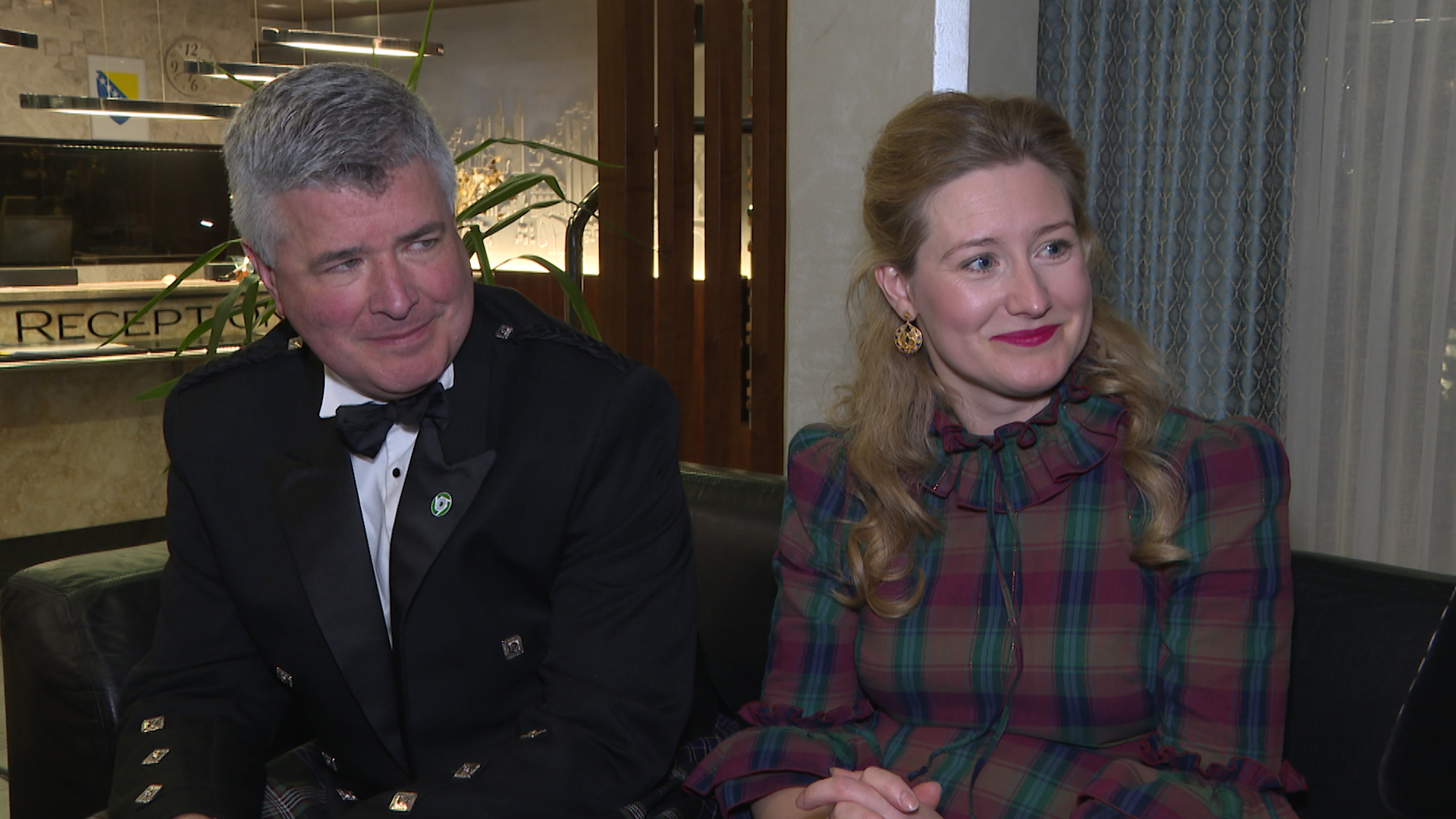
Amid the sounds of Scottish bagpipes, a historic event took place in the heart of Sarajevo; one that will be remembered as a milestone in the relationship between Bosnia and Herzegovina and Scotland.
The arrival of Almira Delibegovic Broome, the first Honorary Consul of Bosnia and Herzegovina in Scotland, marks the beginning of a new era in strengthening cultural and economic ties between the two nations. Her appointment is a significant development not only for Bosnia and Herzegovina and Scotland itself.
Forbes Bosnia and Herzegovina and N1's Ika Ferrer Gotić had the exclusive opportunity to speak with the newly appointed consul on the evening of Scottish tartan.
“It’s fantastic to be here. I’m looking forward to an evening of poetry and inspiring speeches. I believe this will become an immortal memory,” Delibegovic Broome said, emphasizing the importance of unity and exchange between two nations bound by history, culture, and a shared sense of humor.
At the heart of the evening was the poetry of Robert Burns, Scotland’s national bard, whose verses on equality and fraternity took on profound significance in the context of Bosnia and Herzegovina.
“Burns reminds us that all people are brothers, that an individual’s worth is measured by character rather than social status or wealth,” the consul noted.
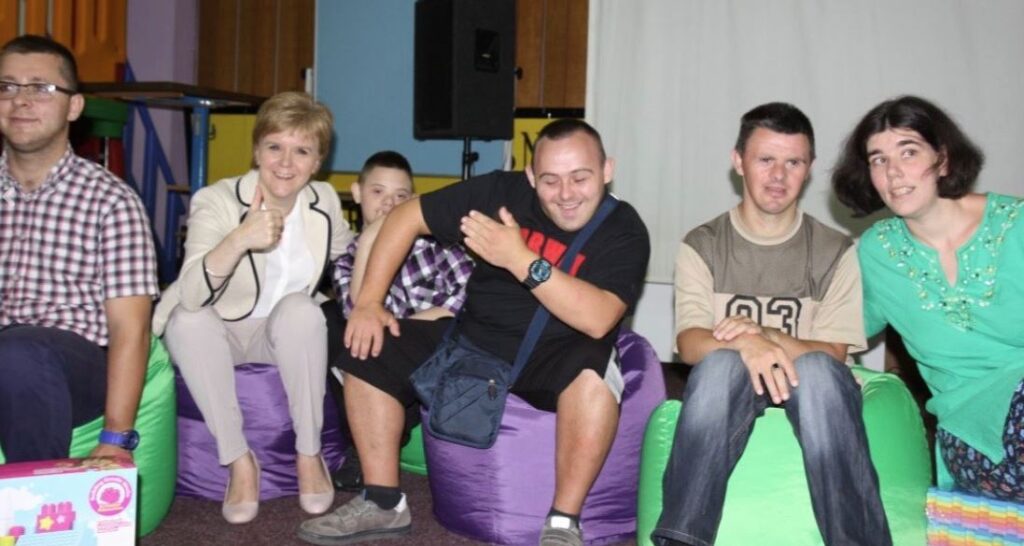
Beyond the cultural aspects, discussions also touched on concrete plans for strengthening cooperation. Delibegović Broome highlighted the importance of connecting the Bosnian and Scottish communities, fostering idea exchange, and deepening economic and cultural relations.
“This is just the beginning. There is vast potential for collaboration; from transportation links to festivals and industrial initiatives. Having a consular office in Scotland opens doors to new opportunities,” she told Forbes BiH.
David Hamilton, a Scottish humanitarian and long-time friend of Bosnia and Herzegovina, pointed out the logistical challenges between the two countries, stressing the need to establish direct flights between Sarajevo and Scottish cities.
“I bring delegations from Scotland to learn about the genocide in Srebrenica, but traveling here is always a challenge. We need to make travel easier and improve connectivity,” Hamilton said.
Katharina Kasper, originally from the Russian Caucasus and now residing in Scotland, shared her impressions of Bosnia and Herzegovina, expressing how deeply she was moved by the warmth and spirit of its people.
“This is my second visit to Sarajevo in just three months. There’s a special connection you feel the moment you arrive here. The culture and history of this place leave an indelible mark,” Kasper said.
Under the patronage of the British Embassy in Bosnia and Herzegovina, the evening was filled with laughter, dialogue, and shared values. Scottish tartans and traditional Bosnian attire merged seamlessly, symbolizing a new chapter in the friendship between the two nations. With commitments to future collaboration and even stronger ties, Sarajevo became a bridge between the Balkans and the British Isles that evening, celebrating the spirit of unity and understanding.
The Christine Witcutt Center: A legacy of compassion in Sarajevo
In Bosnia and Herzegovina, a country still grappling with the aftermath of war and economic challenges, providing care for children with disabilities remains a significant struggle. Even in the most developed nations, high-quality centers for children with special needs are rare. Despite its limited resources, Sarajevo has taken remarkable steps toward building a more inclusive society, and one of the brightest examples of this progress is the Christine Witcutt Center. The center has provided much-needed relief and support to families navigating the challenges of raising children with disabilities.
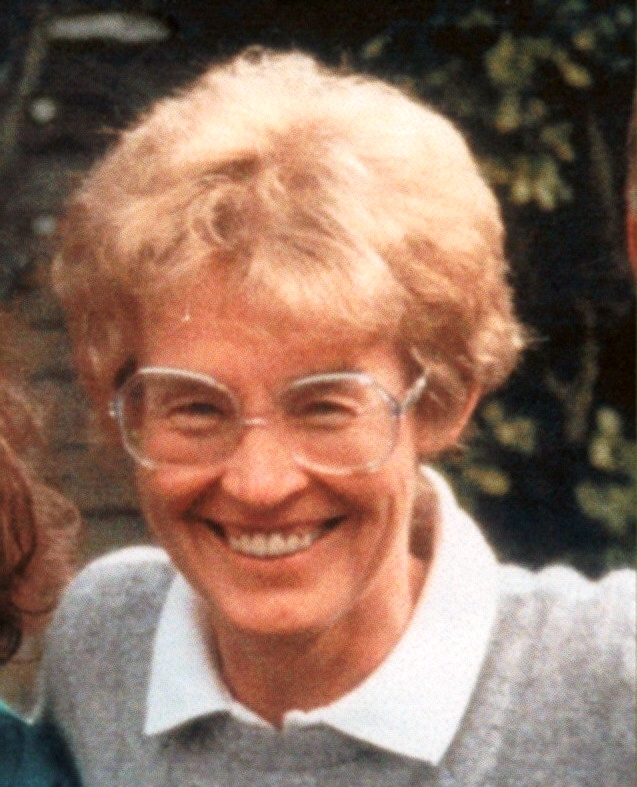
The center was established as a living tribute to Christine Witcutt, a volunteer with the Scottish humanitarian organization Edinburgh Direct Aid (EDA), who lost her life in Sarajevo in 1993 after being struck by sniper fire during the war. Determined to keep her dedication to humanitarian work alive, EDA, together with her husband Alan Witcutt and other donors, founded a trust to open a daycare center for children with severe mental and physical disabilities.
Located within the Vladimir Nazor Primary School, the center allows parents to ensure their children receive professional care and education while remaining in the comfort of their own homes. Initially funded by donations, a critical turning point came in 2007 when the Sarajevo Canton took over financial responsibility, securing the center’s long-term sustainability.
Over the years, the Christine Witcutt Center has become a symbol of the fight for a more inclusive society in Bosnia and Herzegovina. What began as an act of international solidarity has now grown into an initiative sustained by the local community. While challenges remain, the center stands as a testament to how collective effort, empathy, and dedication can create a better future for those who need it most.
╰┈➤ Program N1 televizije možete pratiti UŽIVO na ovom linku kao i putem aplikacija za Android|iPhone/iPad, pridružite nam se i na WhatsApp kanalu klikom ovdje
Kakvo je tvoje mišljenje o ovome?
Učestvuj u diskusiji ili pročitaj komentare


Kakvo je tvoje mišljenje o ovome?
Učestvuj u diskusiji ili pročitaj komentare