

 Srbija
 Hrvatska
 Slovenija

Increased fuel sales in BiH border areas slows down as regional prices converge


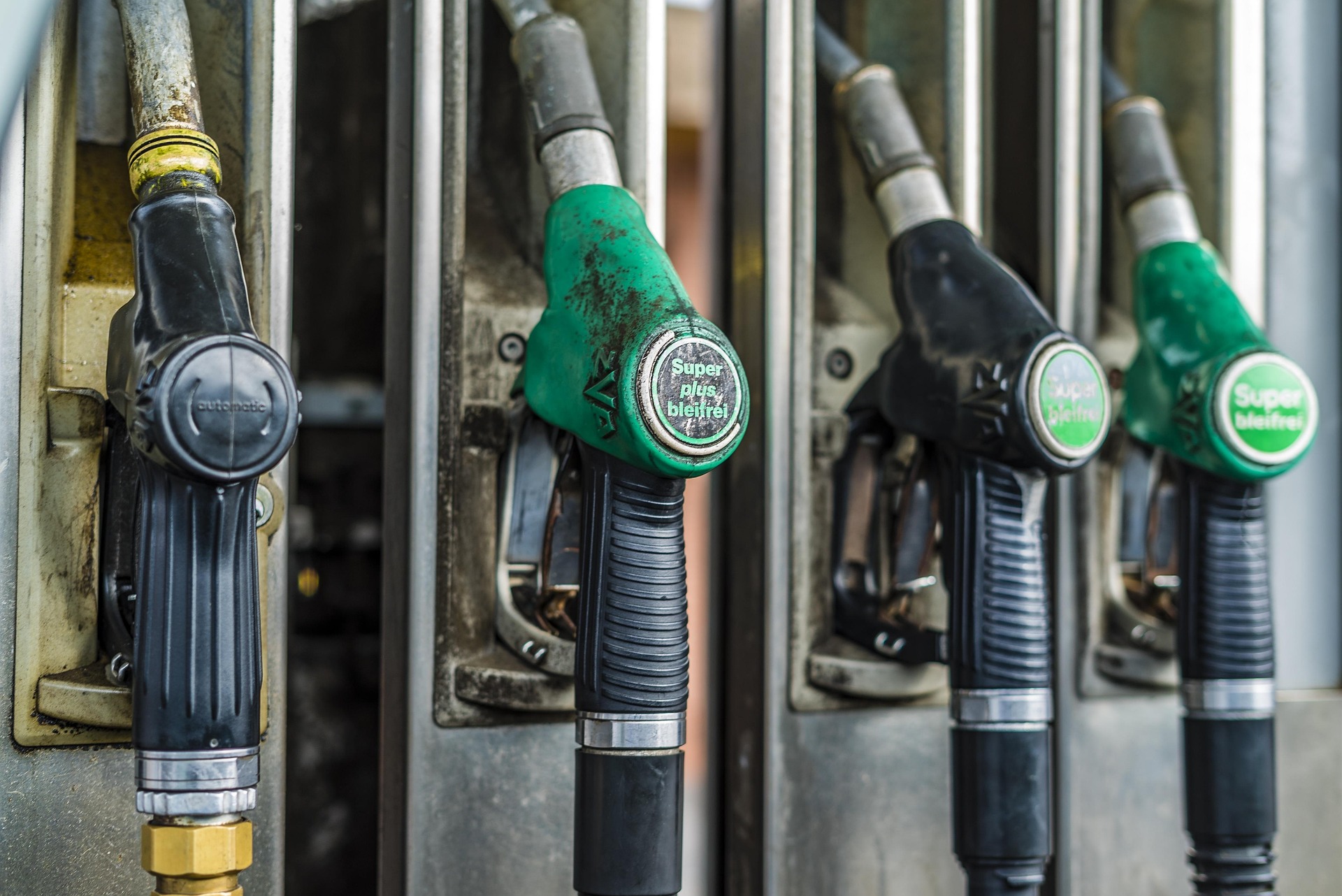
Recent increases in fuel prices in the Western Balkans have once again brought the issue of so-called “fuel tourism” into focus, where drivers cross borders to purchase cheaper fuel.
A representative of one of the leading oil and petroleum products companies in Bosnia and Herzegovina told FENA that over the past two weeks there has been a noticeable increase in traffic at retail locations in border areas, with growth more pronounced than in the rest of their network.
“Such trends are common during periods when there is a difference in retail fuel prices between Bosnia and Herzegovina and neighboring countries, which encourages customers, especially those from border areas and the diaspora, to closely monitor the market and adjust their purchasing habits,” the company said.
They added that the increased activity was most visible at certain border locations along the Croatian border, particularly at the beginning of March, when price differences were more pronounced.
“However, the intensity of this trend varies and depends on current regional price relations. In recent weeks, we have noticed a slowdown at some locations due to a decrease in the price difference. Changes in consumption are anticipated in our operational and action plans, so we are taking all necessary measures to ensure a consistent supply across our network in accordance with potential regional deviations,” the company emphasized.
Similar trends have been confirmed by other fuel stations in border areas. Another oil and petroleum products company, operating a gas station in western Herzegovina, reported that at the beginning of the month they saw a significantly higher number of customers from neighboring Croatia, although the situation has since changed.
“At the beginning of March, we noticed an increased flow of customers from Croatia, especially on weekends and in the evenings, when price differences were more pronounced. However, after interventions by Croatian authorities and price adjustments, that difference has significantly decreased, so the number of such customers today is smaller. We still have some foreign customers, but not on the scale seen at the beginning of the month. We can say the situation has stabilized, and traffic now follows usual seasonal fluctuations rather than price differences,” the company said.
The President of the Association of Petroleum Products Traders in the Federation of BiH, Milenko Boskovic, stated that cross-border fuel purchases have long been a common practice, particularly in cantons bordering Croatia.
“This is normal practice because fuel in the Herzegovina-Neretva Canton, although purchased from the same terminals and sources as in Croatia, is traditionally cheaper in Bosnia and Herzegovina. Currently, there is some increased pressure due to reduced supply to BiH, but it is important to note that after two interventions by the Croatian government, prices have almost equalized with those in BiH. This has significantly reduced the reasons for traveling to BiH for fuel,” Boskovic said.
He added that price differences were previously much larger, directly impacting increased traffic in border areas.
“At the beginning of the month, the price difference was much higher, which created more pressure. However, today prices are practically equalized, and consequently, the reasons for this type of purchasing almost disappear,” Boskovic emphasized.
Speaking about potential measures, Boskovic pointed out that authorities in BiH have not reacted as their neighbors have.
“Due to interventions by the Croatian government, prices have stabilized, while our competent authorities have not taken concrete steps. Comparing prices before the recent Middle East crisis and current prices, VAT revenues are 15–16 percent higher than planned. This means there is room to reduce excises or VAT to ease the burden on citizens, but such measures are not yet being implemented,” Boskovic said.
It appears that trends in fuel consumption in border areas will primarily depend on price relations between BiH and neighboring countries, as well as potential government measures.
If price differences rise again, a new wave of cross-border purchases can be expected, while their reduction could further stabilize consumption and traffic in the domestic market.
In neighboring countries, fuel prices are also rising, but with different models of state intervention, which directly affect cross-border flows.
In Croatia, authorities continue to regulate maximum fuel prices, mitigating sudden spikes. These interventions have reduced the price difference with BiH, which, according to sector representatives, has directly weakened “fuel tourism” from Croatia.
In Serbia, prices are set through a model of state control and periodic limitation of margins and excises. Authorities have also previously taken decisions to temporarily reduce excises to mitigate price increases, further stabilizing the market.
In Montenegro, fuel prices are adjusted every two weeks according to international market trends. At certain times, fuel in Montenegro is more expensive than in BiH, but this has had little impact on cross-border flows due to lower traffic volumes in border zones.
Kakvo je tvoje mišljenje o ovome?
Učestvuj u diskusiji ili pročitaj komentare


Kakvo je tvoje mišljenje o ovome?
Učestvuj u diskusiji ili pročitaj komentare