

 Srbija
 Hrvatska
 Slovenija


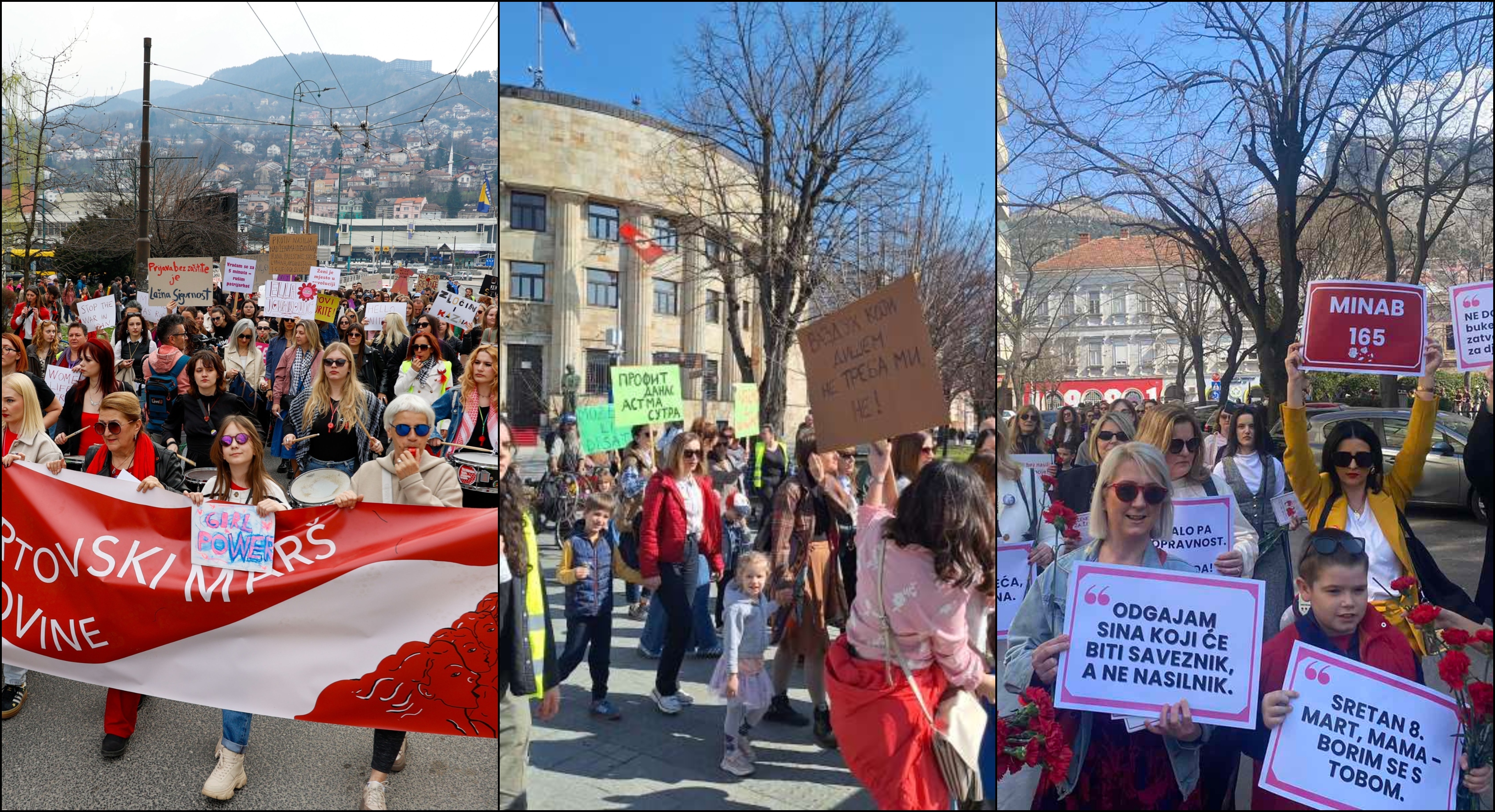
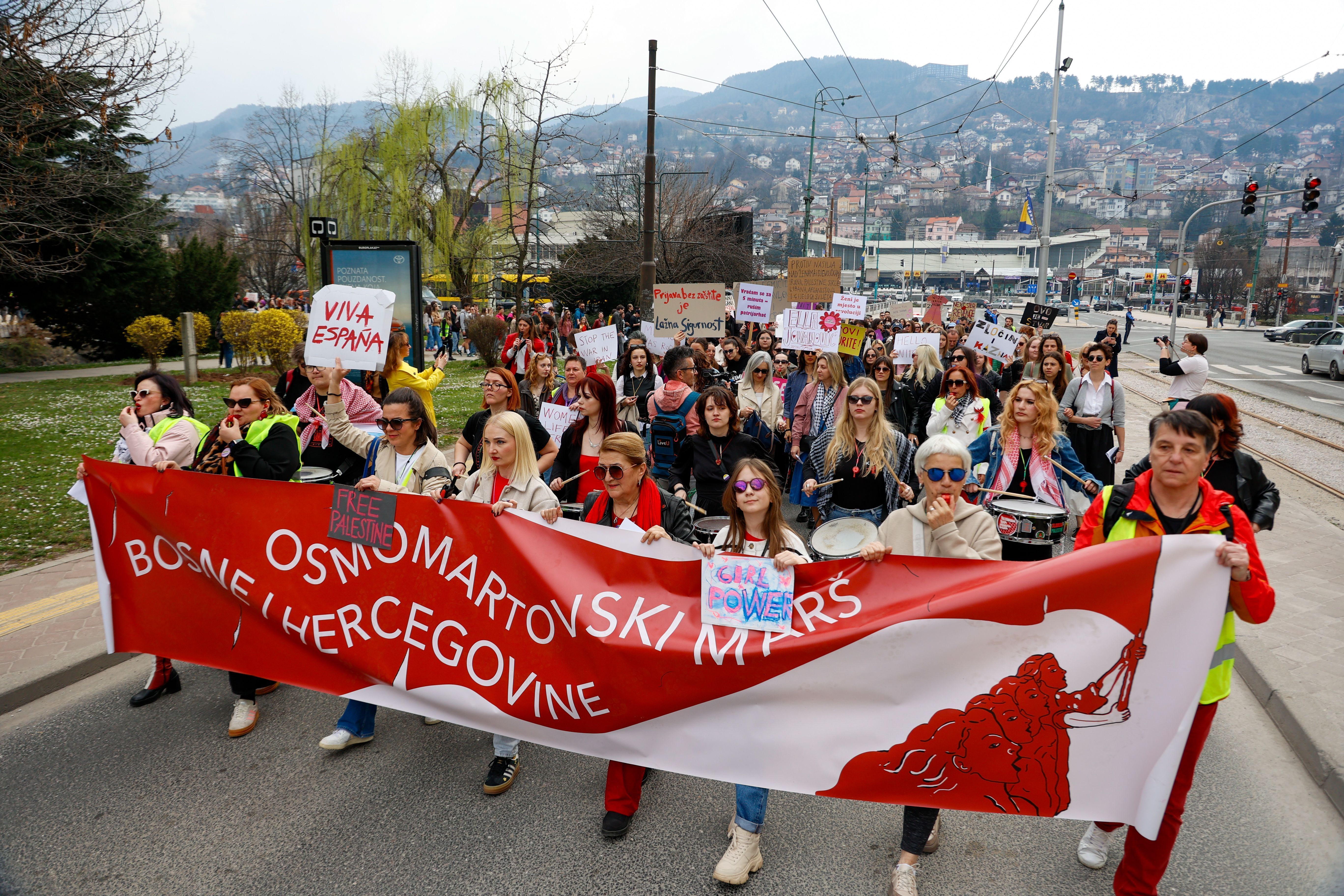
International Women’s Day was marked across Bosnia and Herzegovina on Sunday, but instead of celebrations, the streets of Sarajevo, Banja Luka, and Mostar echoed with messages of rebellion, resistance, and demands for systemic reform. While women in Mostar declared they "will no longer remain silent" in the face of femicide, activists in Sarajevo emphasised that women’s safety is a public obligation, and marchers in Banja Luka campaigned for the right to live in a healthy environment, linking ecological struggles with women's rights.
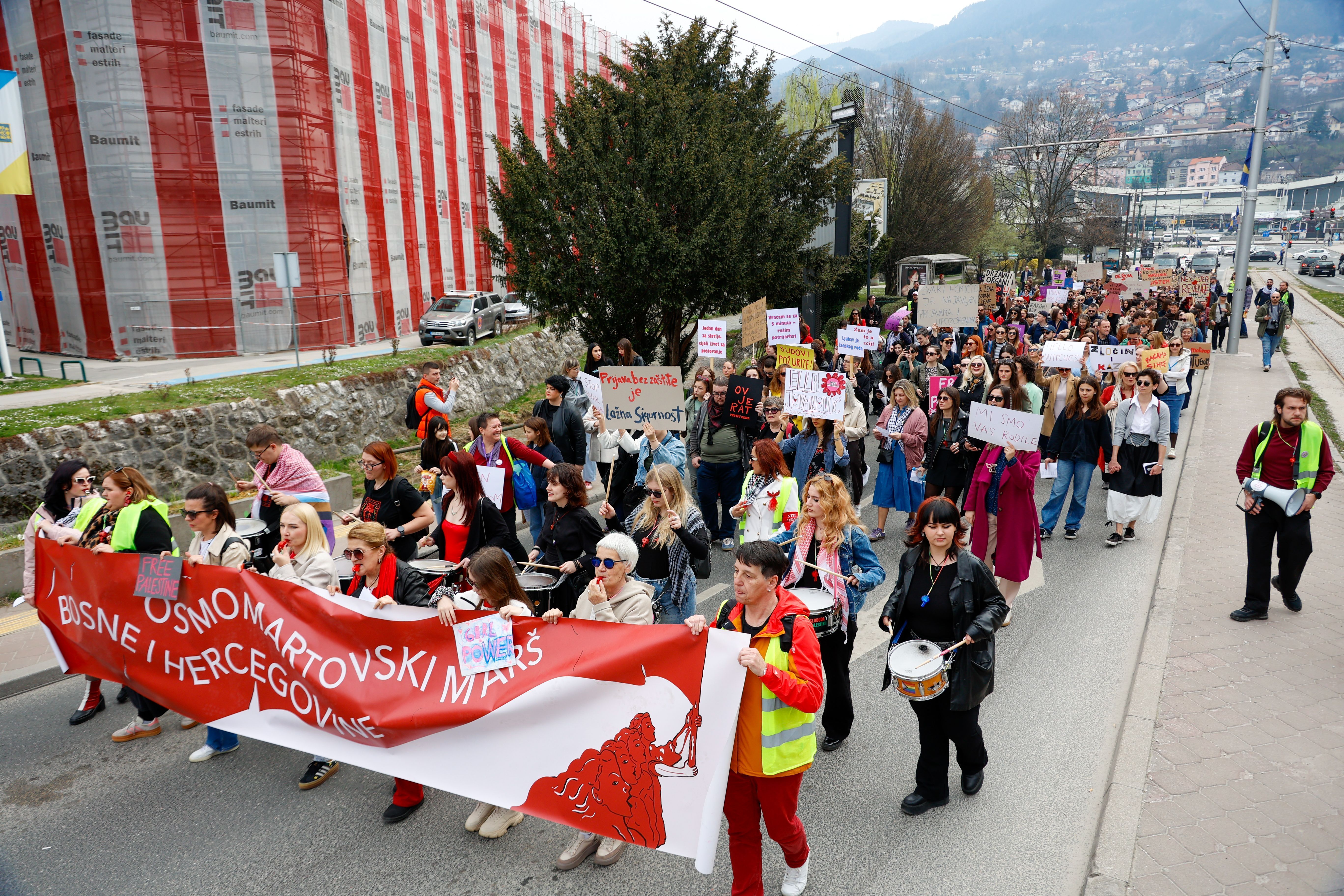
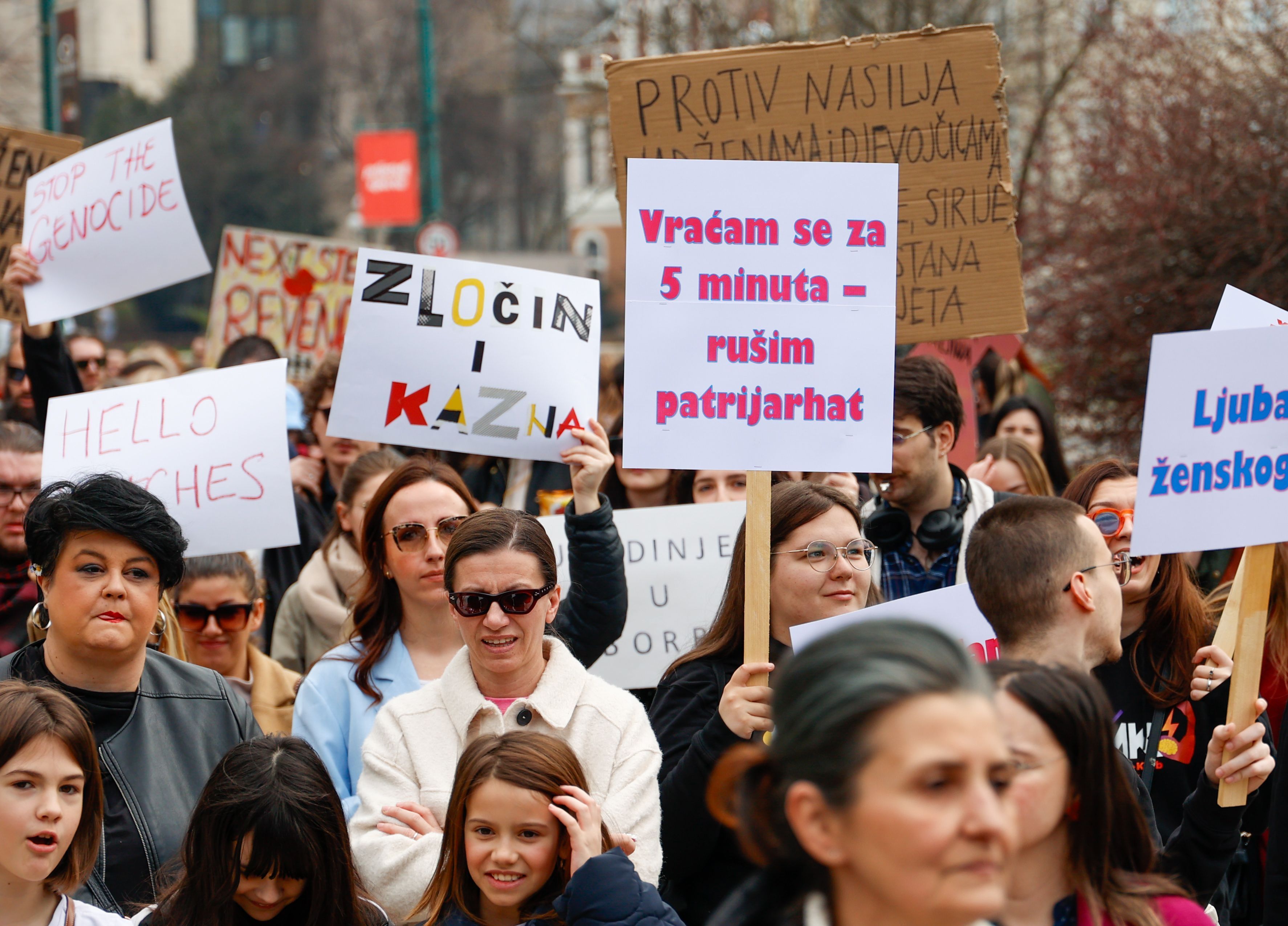
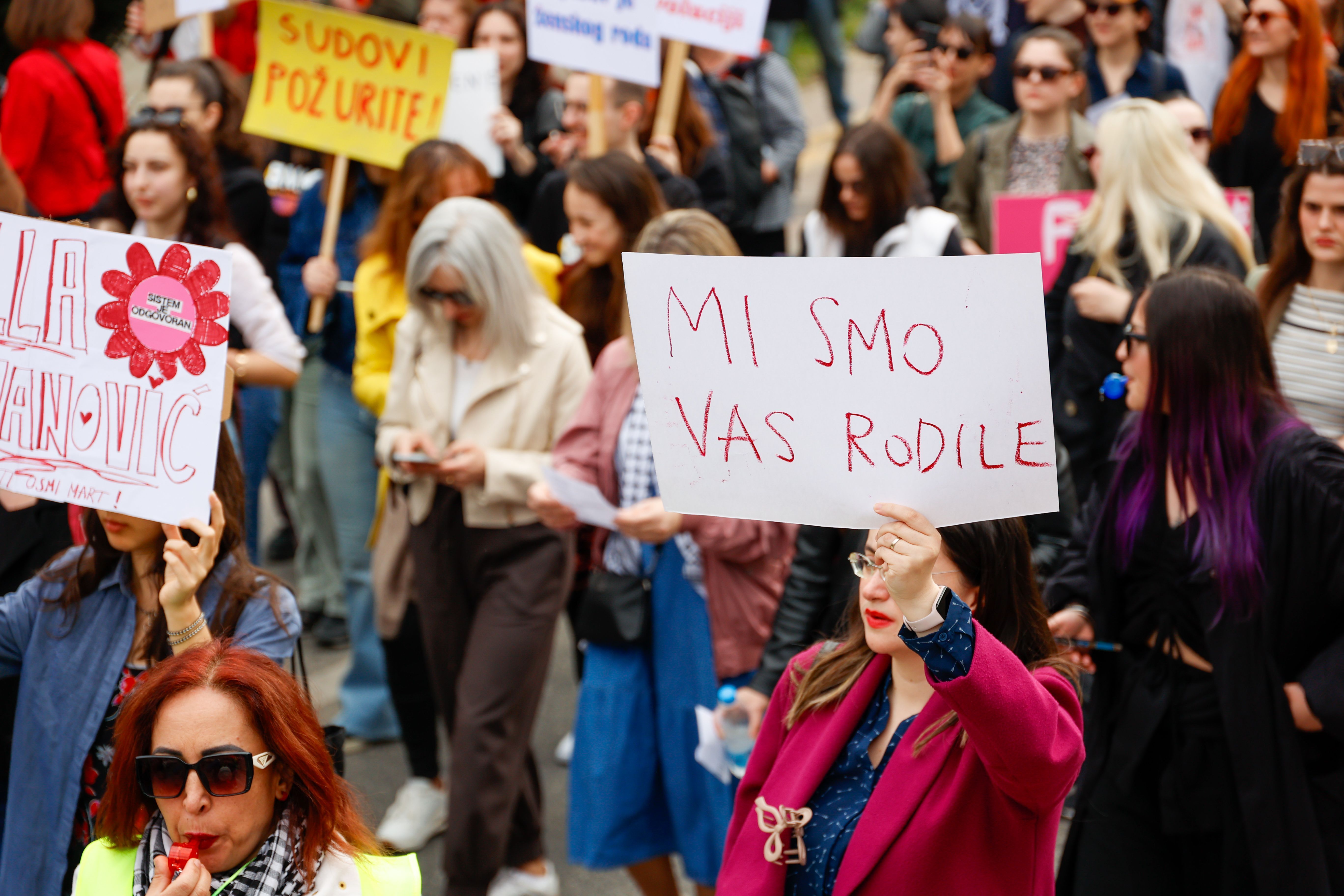
Sarajevo: Safety is not a private matter, but a state obligation
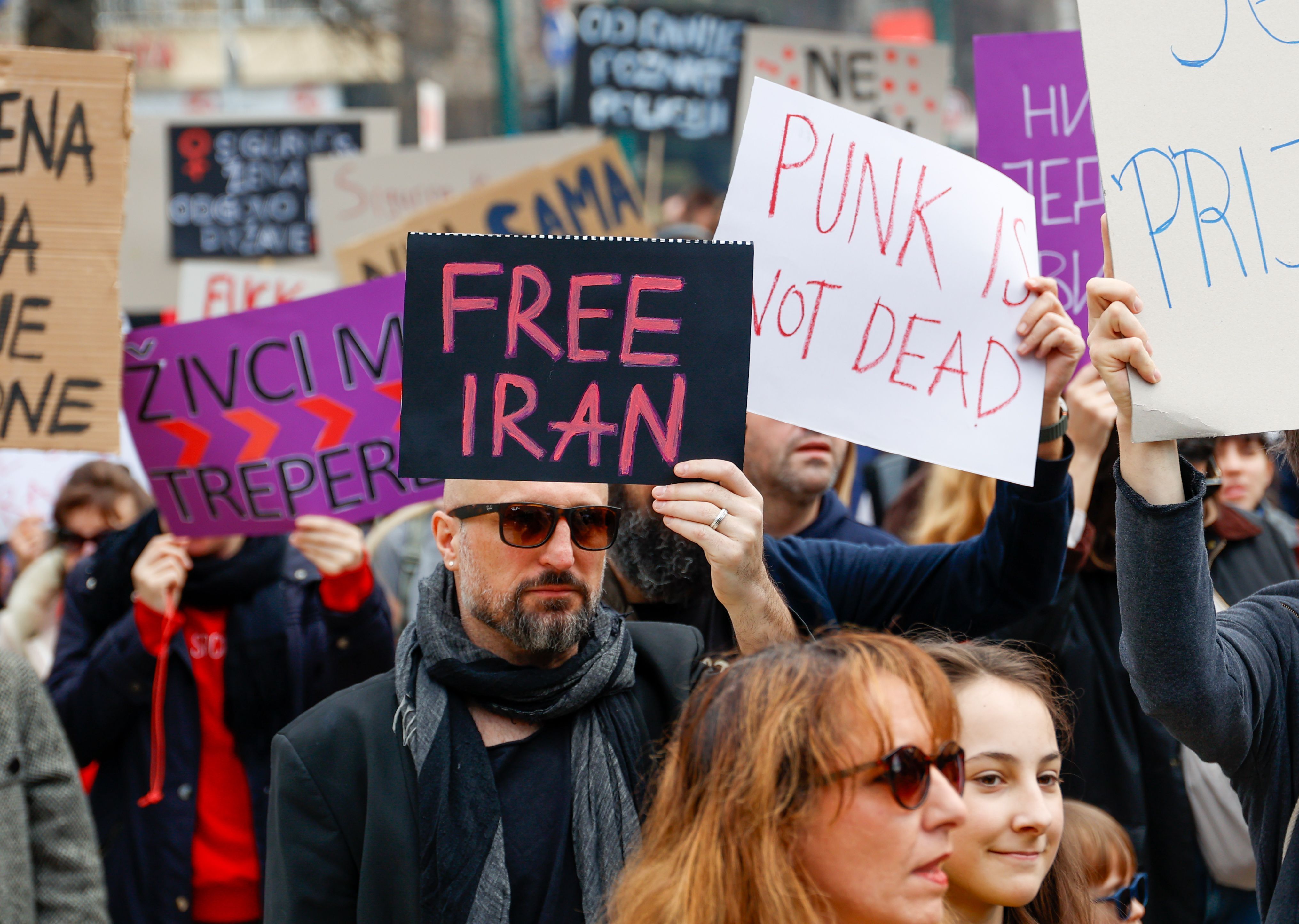
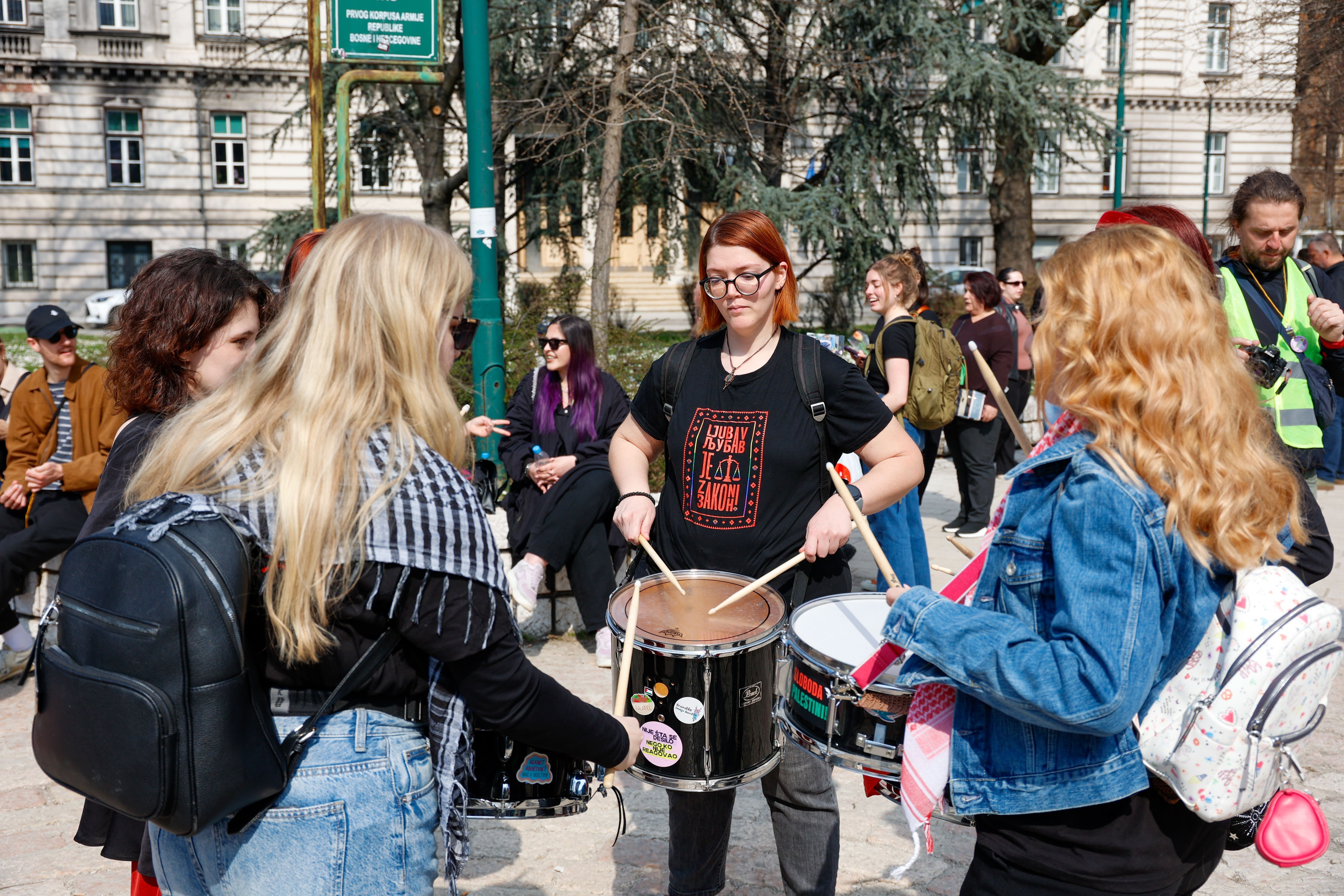
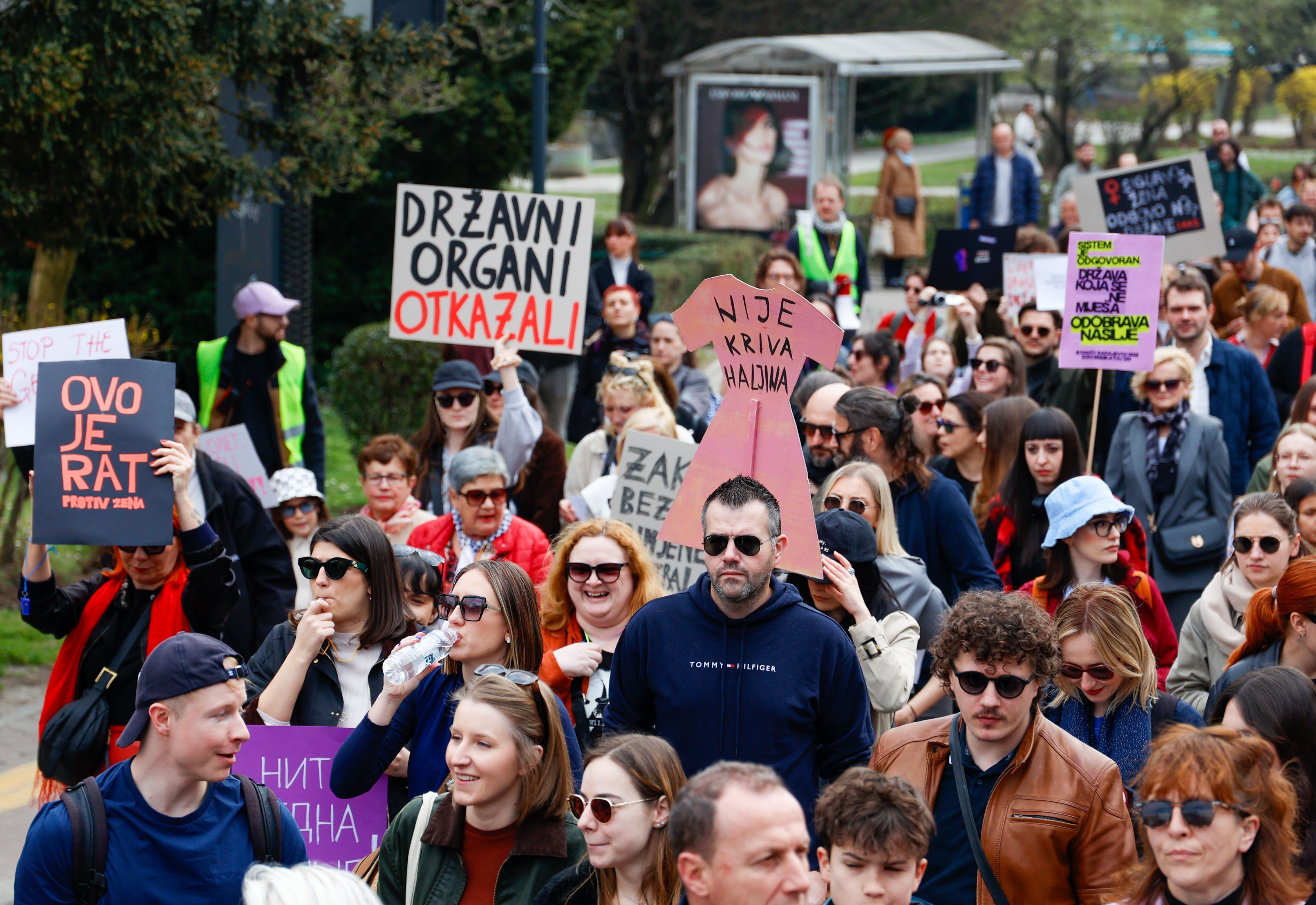
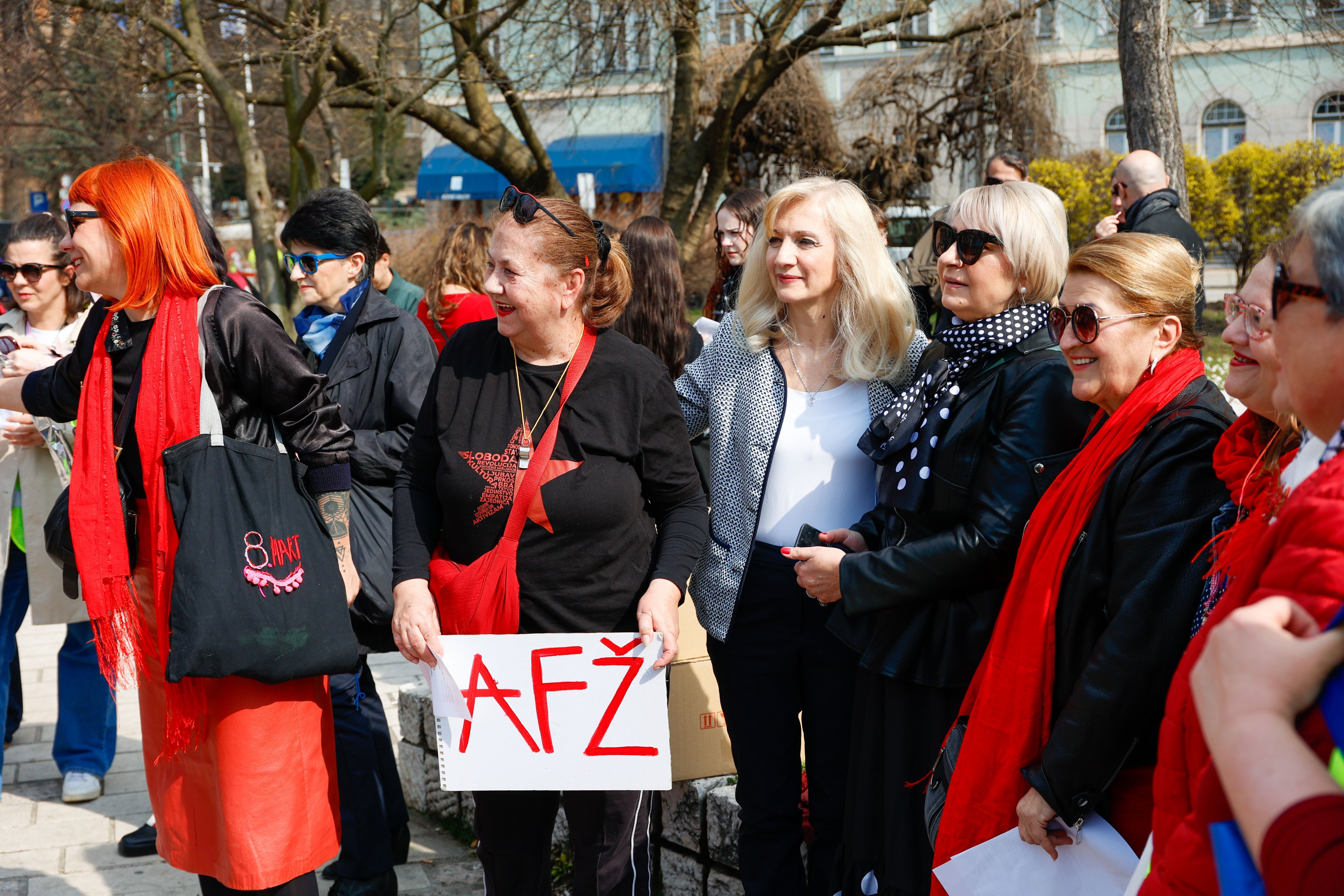
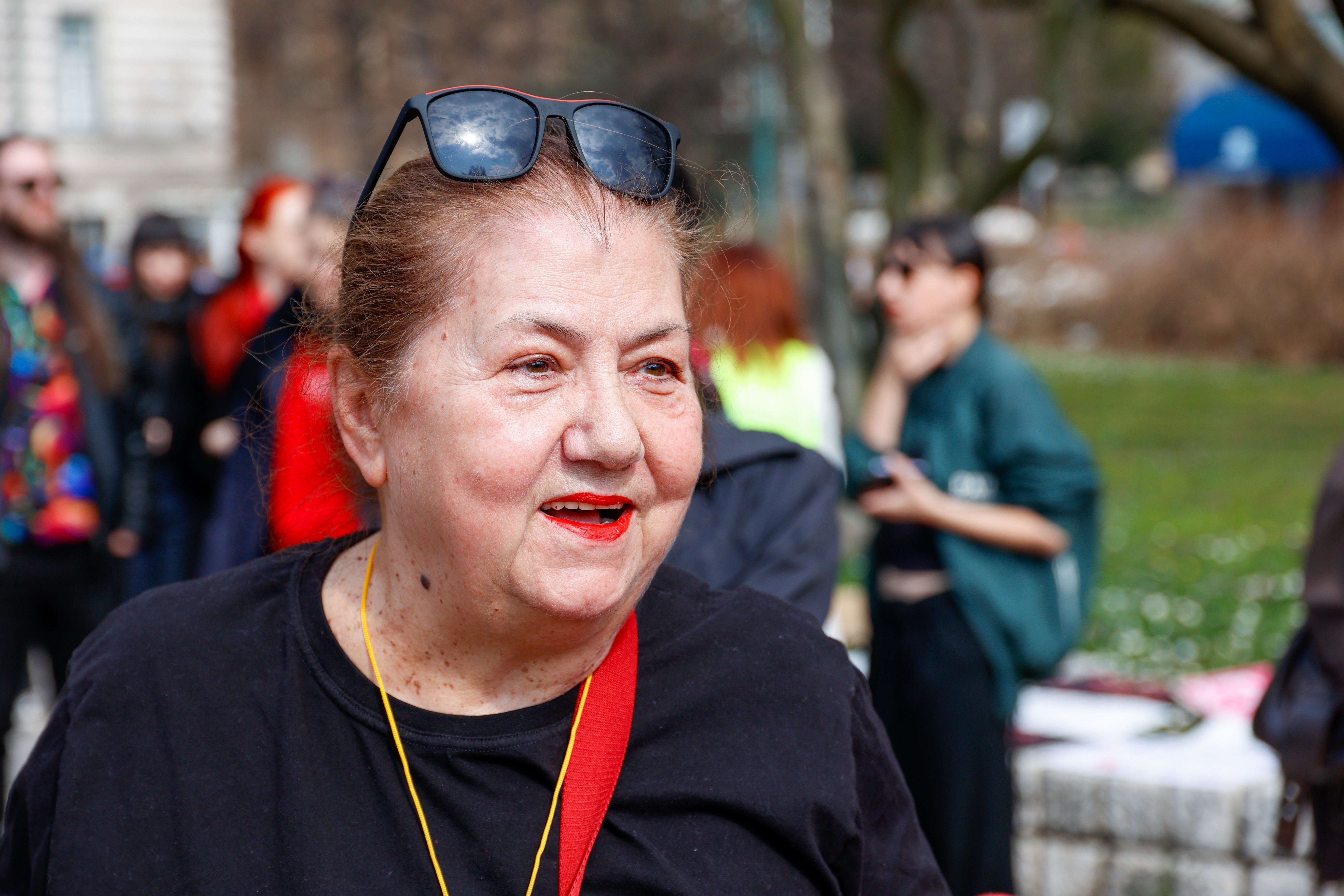
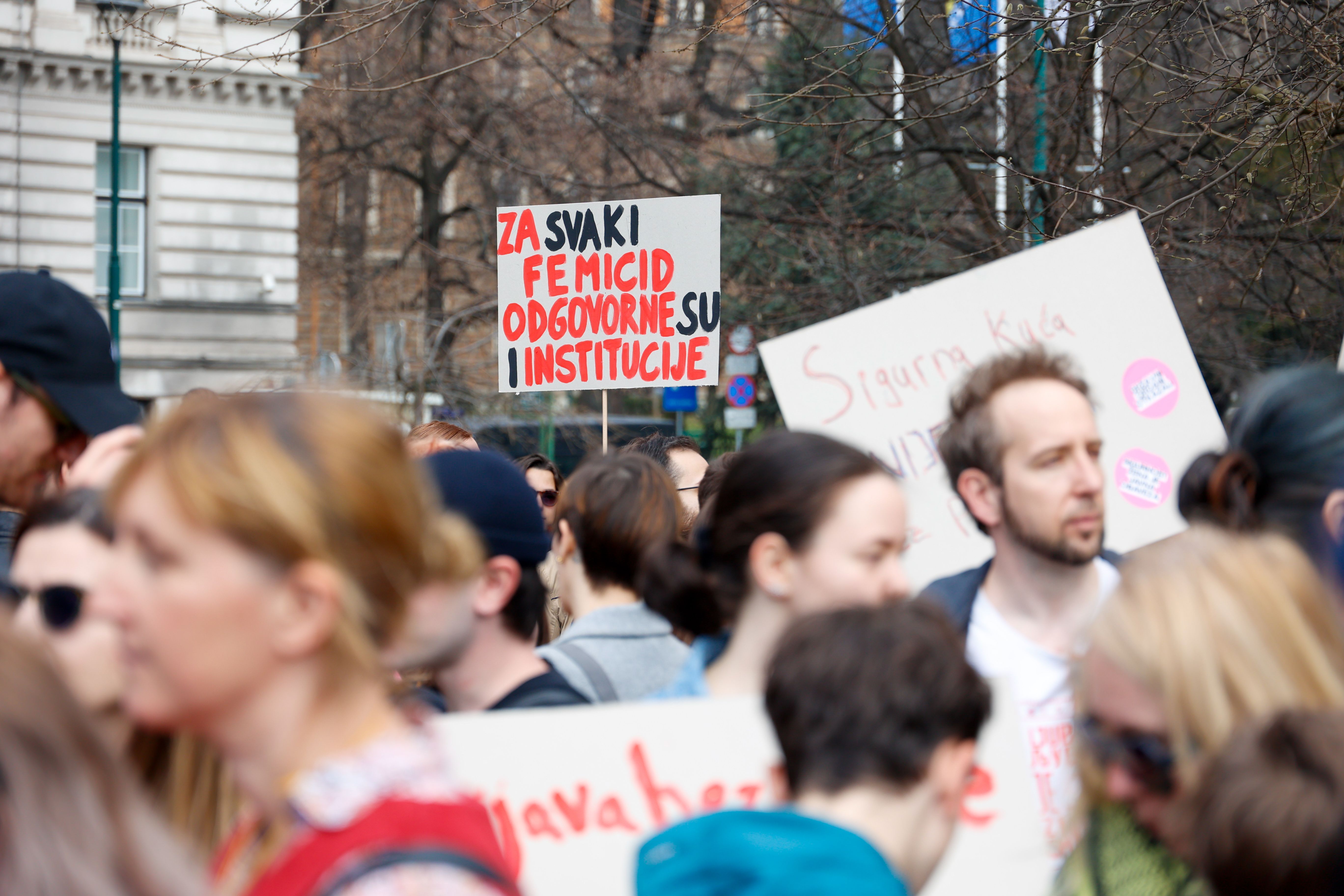
Under the slogan "Women's Safety is a Public Obligation," an informal group of activists gathered at the First Corps of the Army of RBiH Square. The core message was clear: institutions must cease being silent observers of violence.
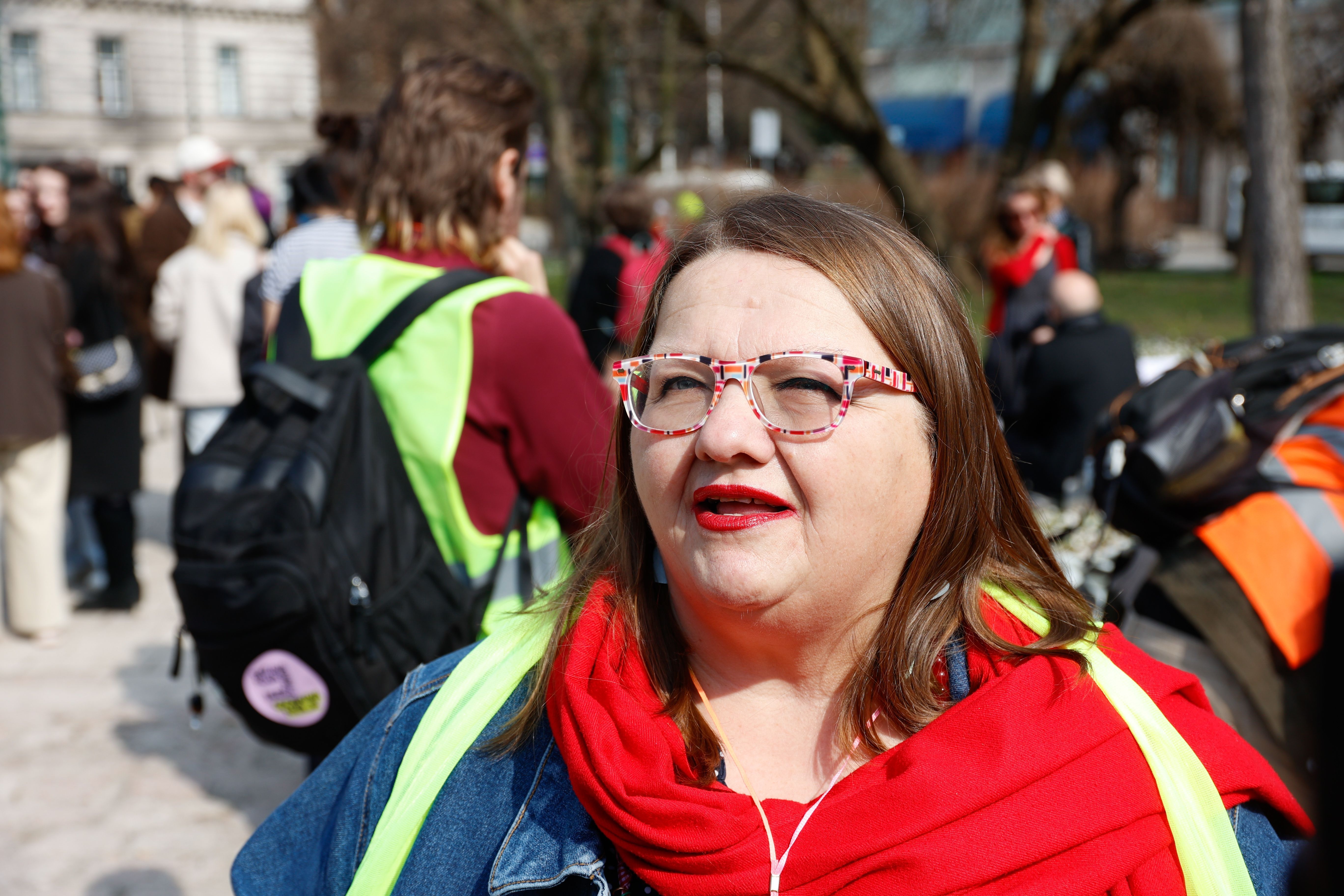
Politician and activist Besima Boric warned of the system's inertia.
"Women in BiH have established many prerequisites regarding the legal regulation of gender-based violence, but the implementation of the law is moving far too slowly. It seems to me that there are those within the institutions who are intentionally delaying the application of the law," Boric pointed out.
FENA
FENA
FENA
FENA
FENA
FENA
FENA
FENA
FENA
FENA
FENA
Journalist Rubina Cengic highlighted the devastating fact that official records on femicide do not exist at all levels of government in BiH, and that safe houses, as a last resort, are left to fend for themselves without systemic prevention.
Mostar: A Voice against femicide and economic oppression
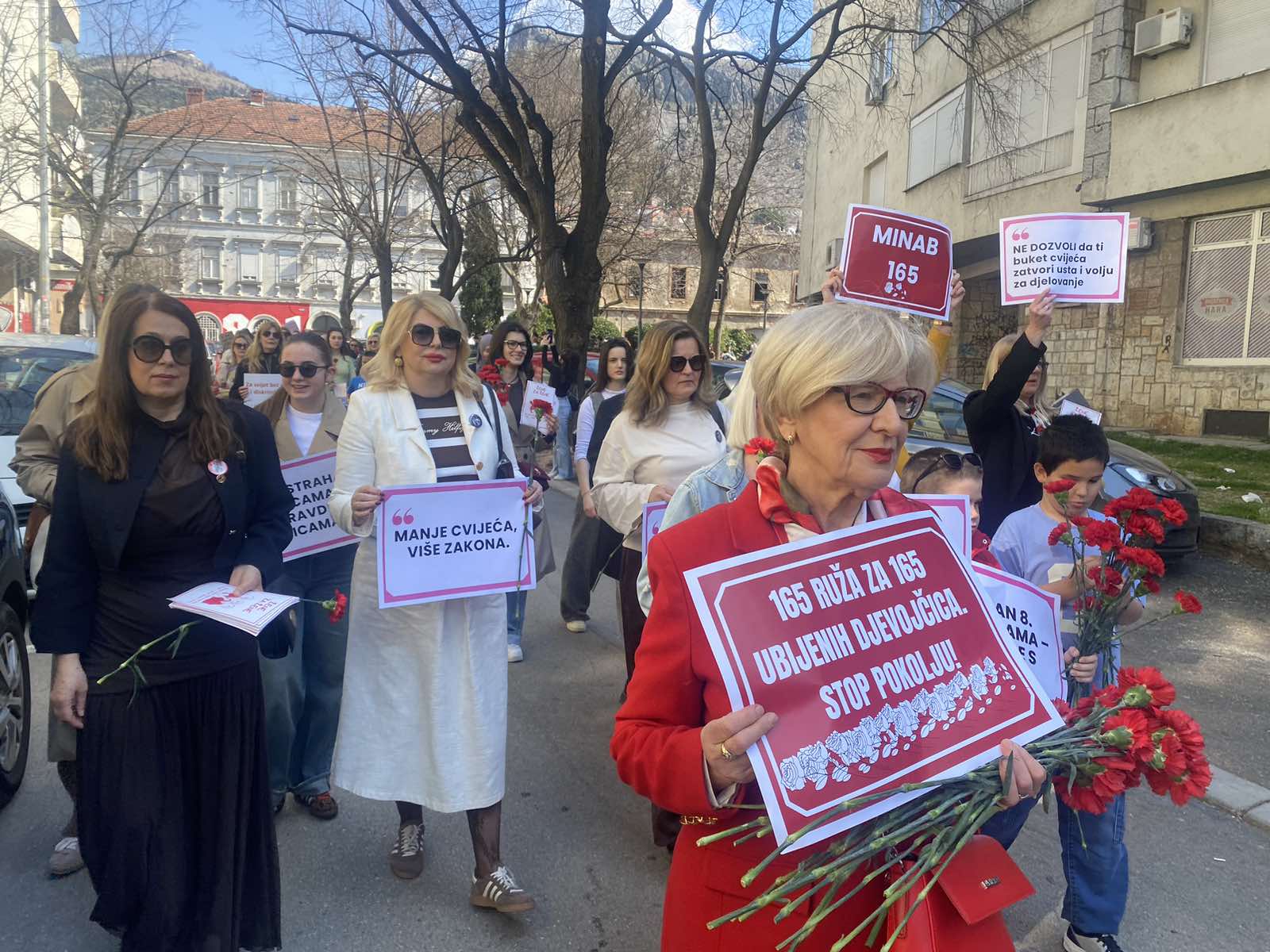
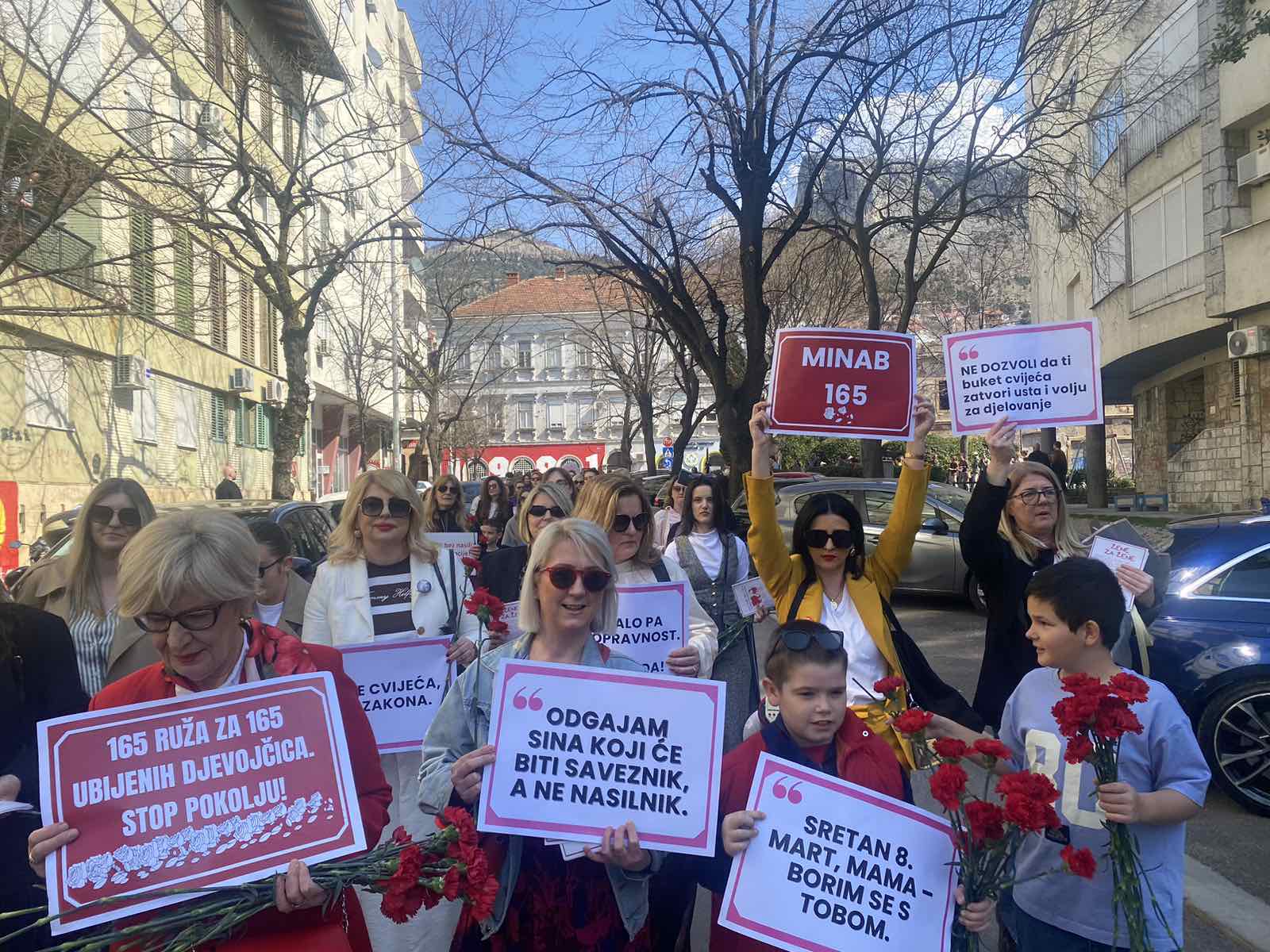
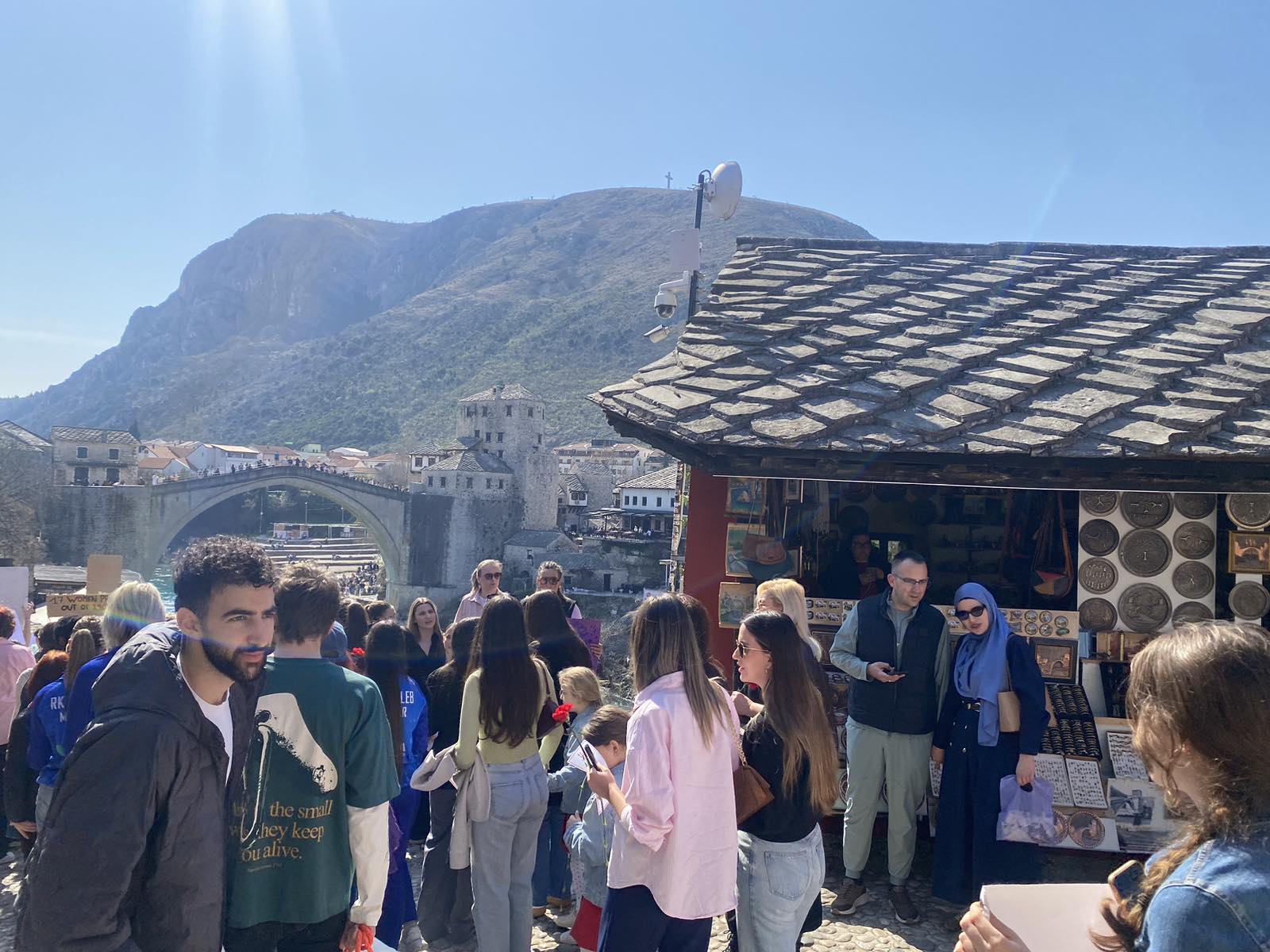
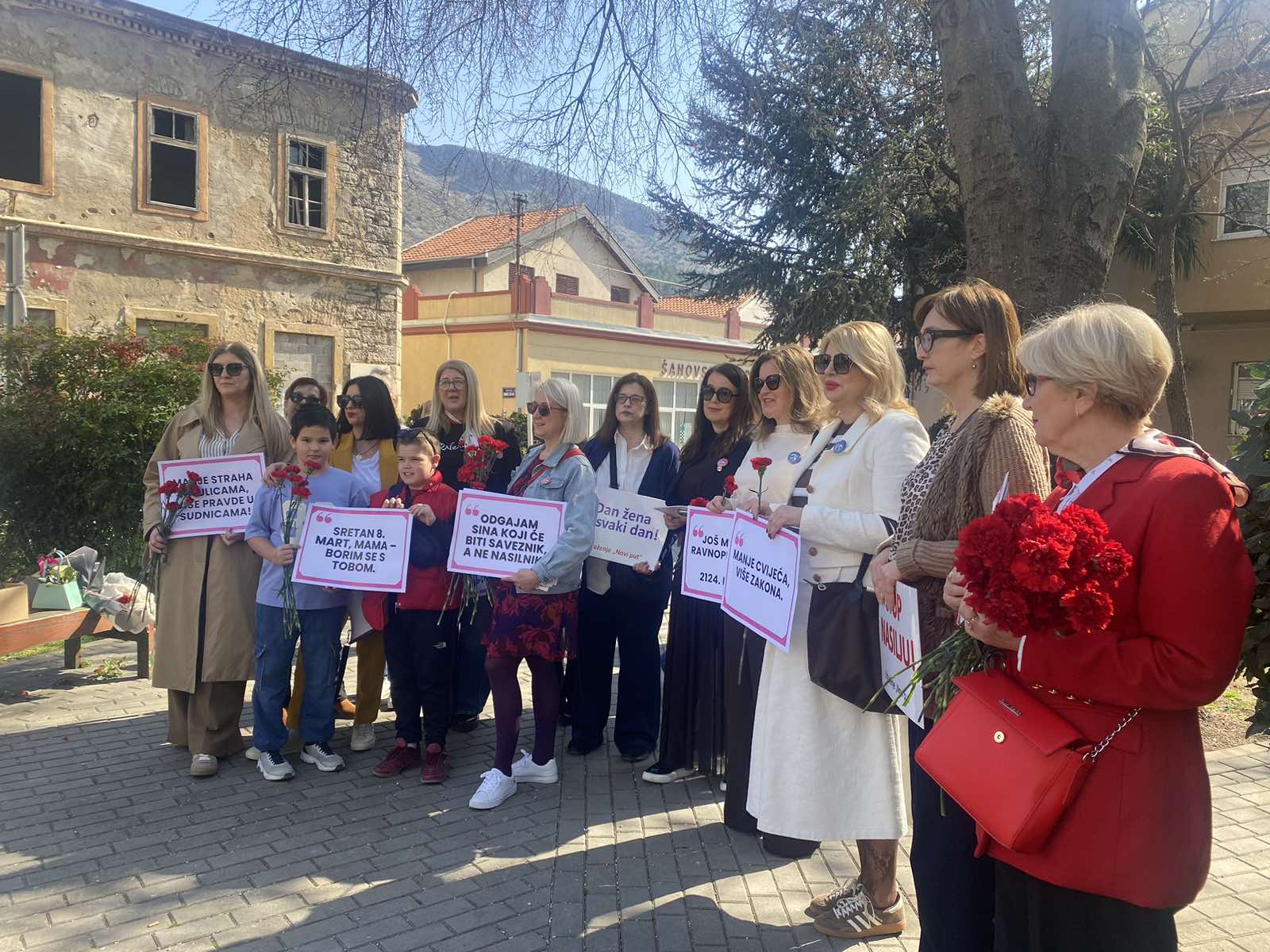
In the city on the Neretva, members of the Mostar Citizens' Initiative marched under the slogan "Women of Mostar are Not Silent." The focus was on the economic position of women and the alarming rise in violence.
Ifeta Cesir Skoro emphasised that this is not a time for flowers and celebration, but for highlighting marginalised groups.
"Women perform a massive amount of unpaid labour. They cook, clean, and manage the household, while simultaneously being successful workers. We are often prevented from pursuing what we truly want. Today, we march for all those deprived of their rights," said Cesir Skoro.
N1
N1
N1
N1
Alma Pelo Zagorcic added that any attempt to diminish women's rights would be a "civilisational defeat" for Bosnia and Herzegovina, reminding the public that current rights must be defended every single day.
Banja Luka: "Do Not Choke Our Rights or Our Lungs"
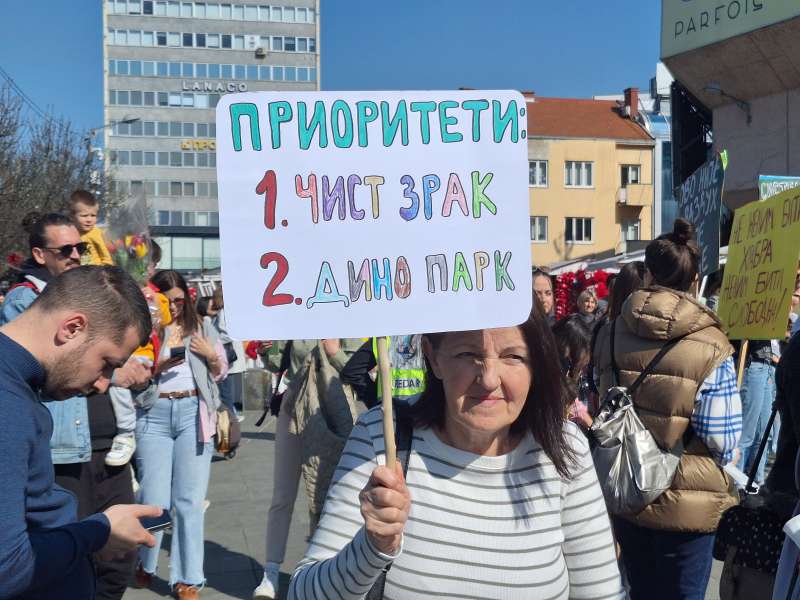
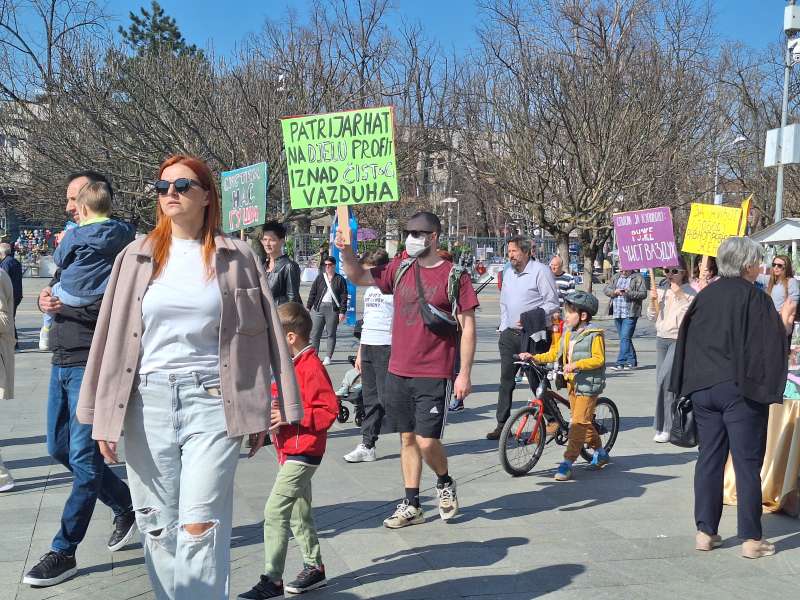
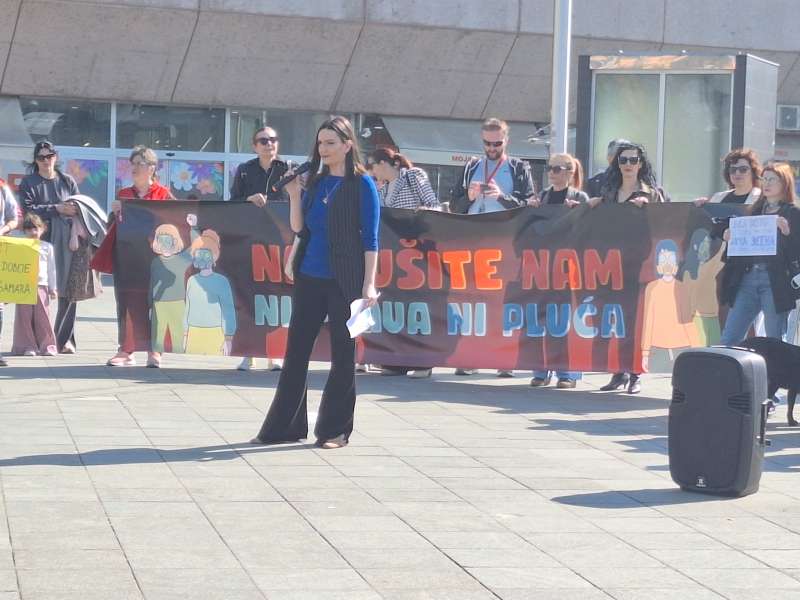
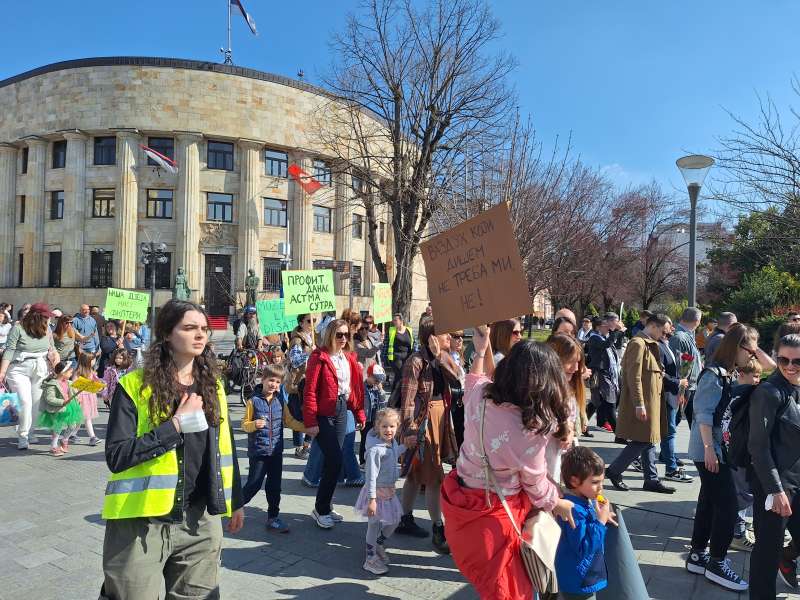
Women in Banja Luka had a specific focus this year. The march, organised by the "House of Human Rights" and the "Citizens for Constitutional Change" initiative, drew attention to catastrophic air pollution that directly impacts family health.
Lawyer Dragana Stankovic noted that the state is doing almost nothing, despite petitions sent by informal groups of mothers.
FENA
FENA
FENA
FENA
"From November to February, the air in the city is among the most toxic in the world. Through a petition, we requested a statement from the authorities within seven days, and we have received no answer even after three months," Stankovic stated, adding that many citizens are considering leaving due to the poisoned air.
Common conclusion: The struggle continues
Although the specific reasons for the marches varied, the message from the three largest Bosnian cities was unified: March 8th in BiH remains a day of political struggle.
Urgent measures are demanded from institutions—ranging from a more efficient judiciary in cases of violence and better working conditions to the elementary right to clean air.
The women of Bosnia and Herzegovina sent a clear message today: their safety, health, and rights must not fall victim to political sluggishness.
Kakvo je tvoje mišljenje o ovome?
Učestvuj u diskusiji ili pročitaj komentare


Kakvo je tvoje mišljenje o ovome?
Učestvuj u diskusiji ili pročitaj komentare