

 Srbija
 Hrvatska
 Slovenija

Media freedom at risk in the region, with state pressure intensifying in Serbia


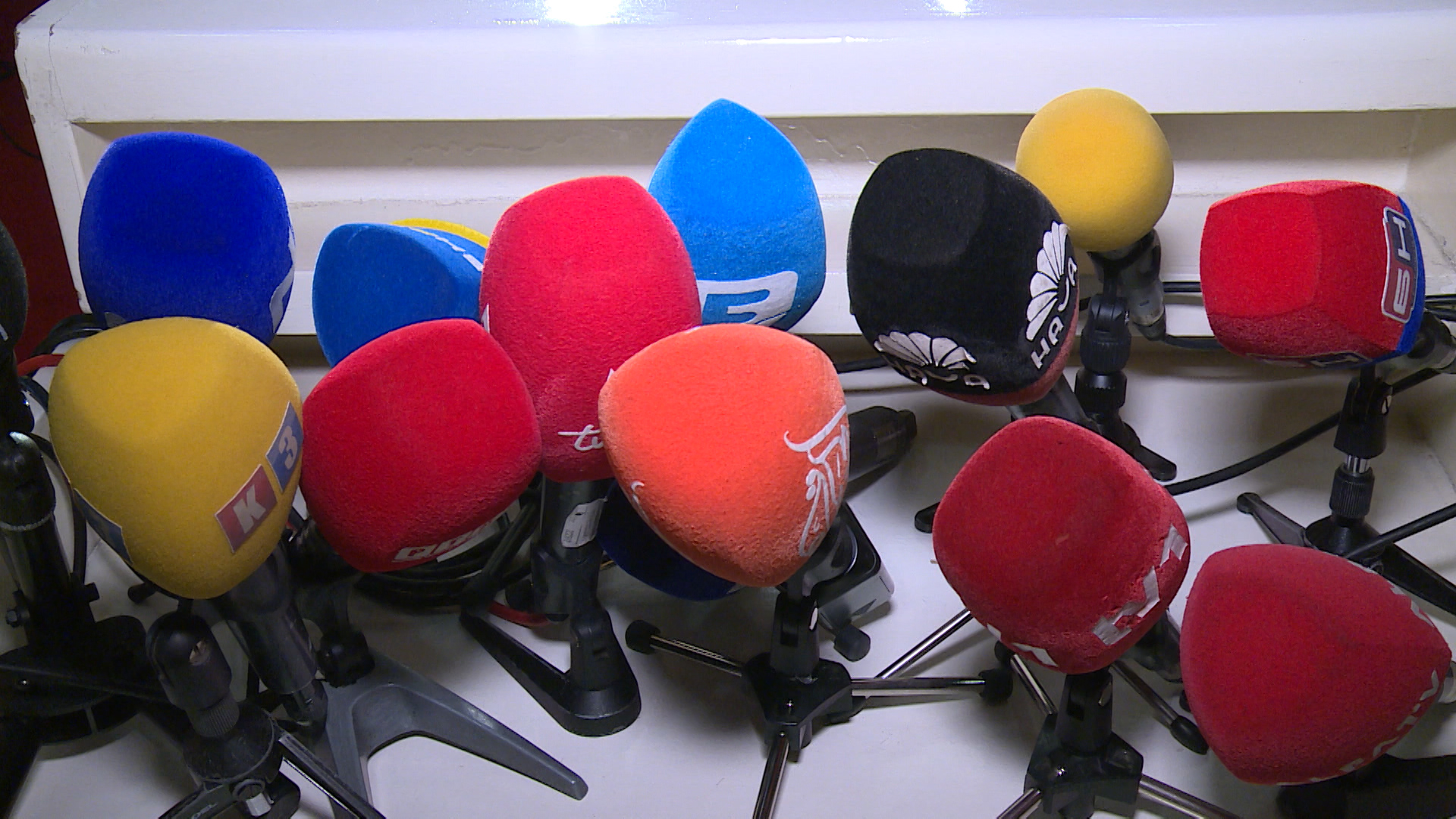
The Western Balkans, home to around 20 million people, could soon find itself without independent sources of information free from political influence, reports Radio Free Europe (RFE).
A major blow, according to RFE, came with the withdrawal of funding from the U.S. Agency for International Development (USAID), which had supported independent media until Donald Trump returned to the White House.
The latest shock was the shutdown of the regional project Al Jazeera Balkans (AJB) on 12 July, when the Sarajevo-based studio ceased operations and its web portal, once home to dozens of independent journalists from across the region, was taken offline.
Over 200 staff lost their jobs, with AJB’s Qatari headquarters citing the closure as "part of a broader strategy to strengthen digital presence and expand onto new media platforms”.
Following USAID’s exit, Voice of America went silent in March, while Radio Free Europe itself has been “struggling for funding” for the past four months.
On 16 June, the management of United Group, owner of the television channels N1 and Nova, was replaced, prompting concern among editors in Serbia about growing political influence.

The cable channels N1 and Nova S already face mounting pressure in Serbia, driven by the sweeping influence of populist President Aleksandar Vucic, who is widely seen as exerting control over most electronic and print media.
"Authorities in Serbia, led by President Vucic, have for years targeted media outlets within United Group. At the beginning of July, N1 journalists received death threats addressed directly to their newsroom," RFE reported.
Mounting pressure in Serbia
The few remaining independent media outlets in Serbia face near-daily threats, smear campaigns on social media, and what RFE describes as "quiet pressure".
This includes SLAPP lawsuits, cancelled advertising contracts, and accusations of being foreign-backed “pressure groups” aiming to destabilise the government, or being involved in a so-called "colour revolution", the term used by authorities to describe mass, months-long protests led by student movements.
In an open letter, the editorial board of N1 urged government officials to take immediate action and stop what they described as a serious and coordinated campaign against the outlet and its journalists, which they said had "escalated dangerously in recent days".
"The campaign involves the highest state officials, including the President of the Republic, supported by pro-government tabloids and publicly funded media. The result is a daily stream of grotesque hate messages and death threats received by the N1 newsroom," the letter stated.
No response has been received from the officials to whom the letter was addressed.
Professor Snjezana Milivojevic of the Faculty of Political Science in Belgrade noted that most regional media in the Balkans were originally established by foreign owners, but eventually faced overwhelming resistance.
"Alongside the exodus of foreign ownership, we’re also seeing a kind of return of the state to the media. In Serbia, this is especially clear through state-owned Telekom and its wide network of channels, some of which attempt to mimic a regional dimension," she told RFE.
Strong political pressure, she added, has effectively caused the international media assistance sector to "collapse before our eyes".
"Media outlets with serious ambitions to report on regional issues or raise professional standards now find themselves caught between intense political pressure from domestic governments and the indifference or unwillingness of the international democratic community to step in," Milivojevic said.
A similar view was expressed by Boro Kontić, director of the Media Centre in Sarajevo, who said it is increasingly difficult to predict the future of media in the Western Balkans.
He believes the survival of independent journalism requires active support from both the media community and governments, stressing that "media are one of the pillars of democratic society."
"Nothing is possible without a strong media community, professional journalism that is critically engaged and represents, in some way, the voice of the public," Kontic said.
Kakvo je tvoje mišljenje o ovome?
Učestvuj u diskusiji ili pročitaj komentare


Kakvo je tvoje mišljenje o ovome?
Učestvuj u diskusiji ili pročitaj komentare