

 Srbija
 Hrvatska
 Slovenija


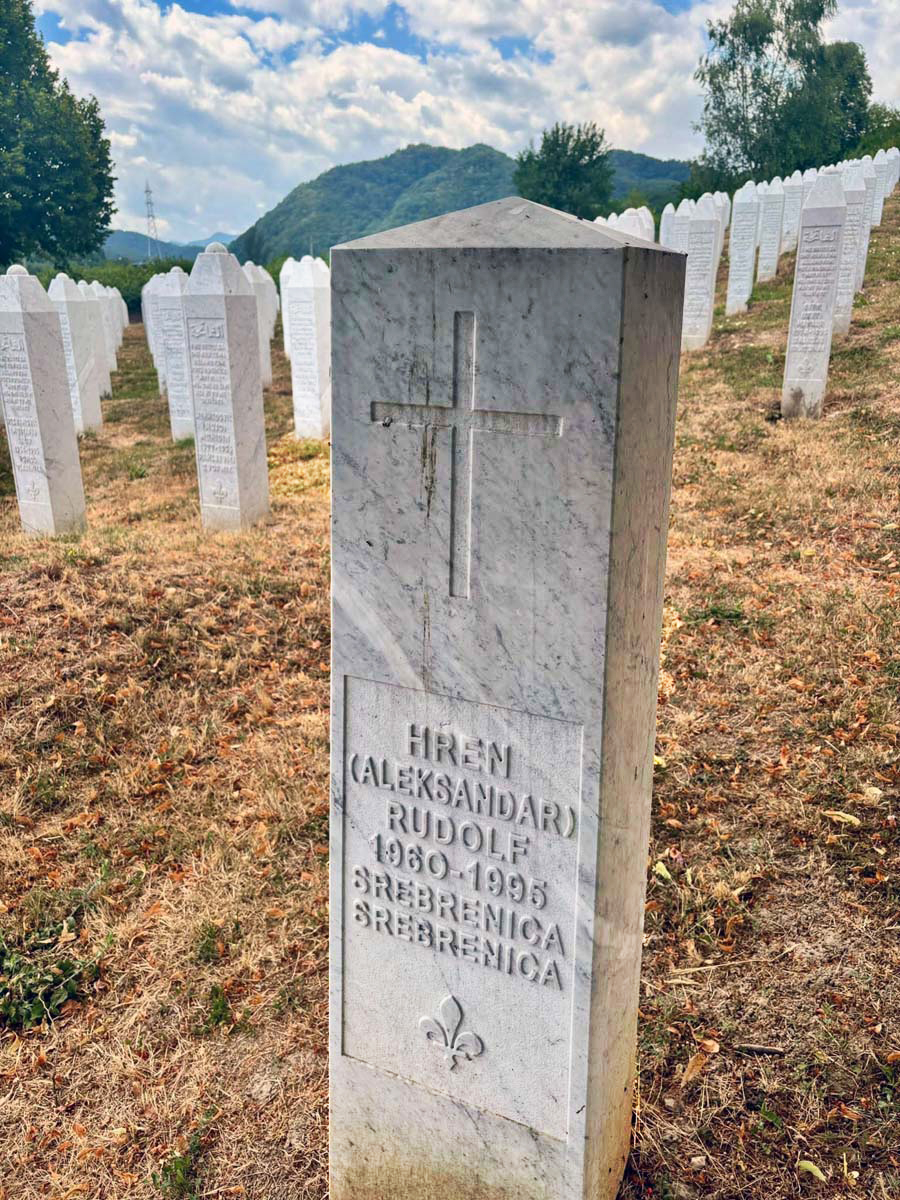
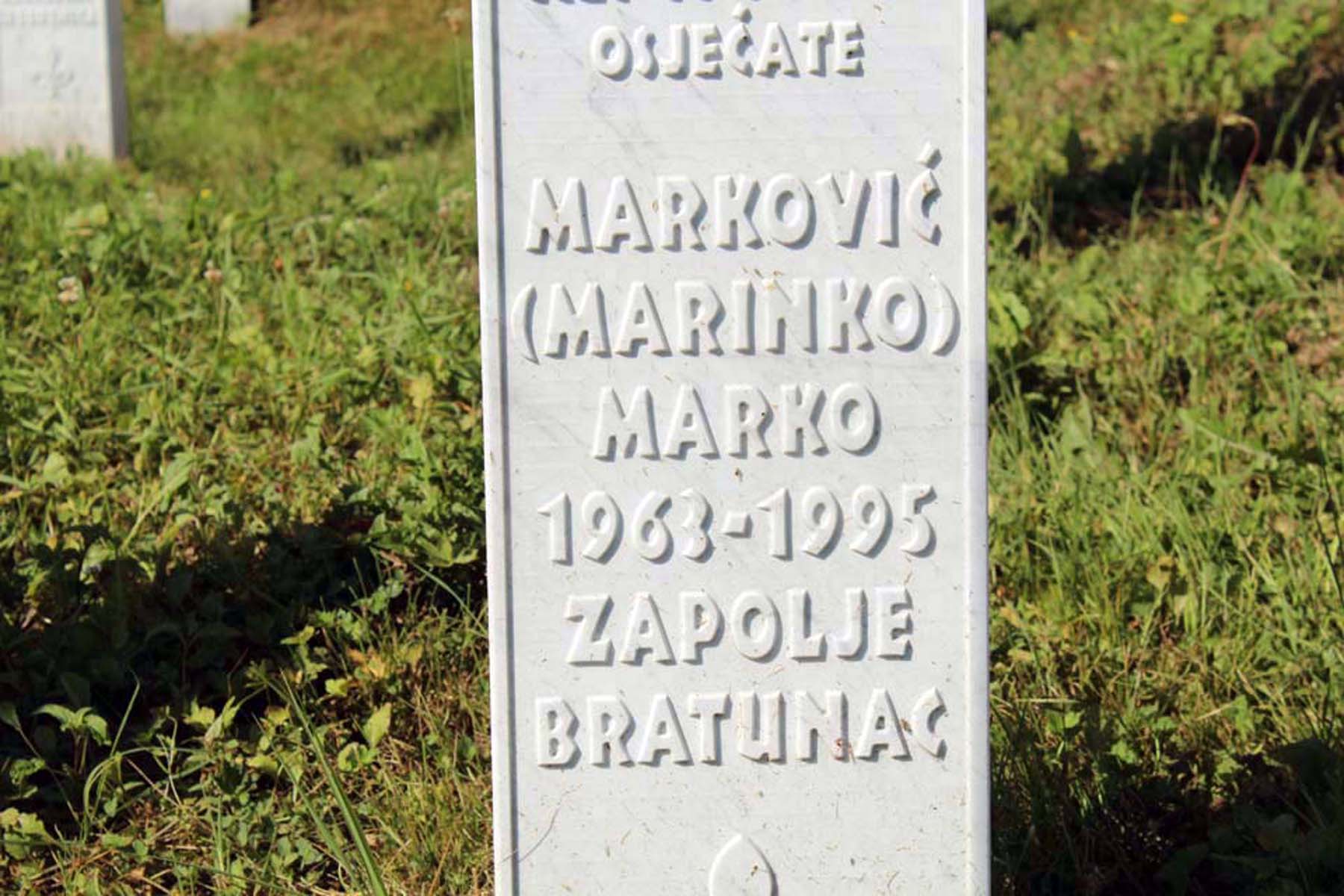
Among the thousands of Muslim names on the white tombstones at the Potocari Memorial Center are the names of one Orthodox and one Catholic Christian. They are Marko Markovic, a Serb, and Rudolf Hren, of Slovenian father and Romanian mother.
Marko Markovic was a child of a "mixed marriage."
His name was "appropriated" in post-war writings by some media outlets, and for some time they stated that he was a Croat, a Catholic, but also a Bosniak who had changed his name. The official records of the Registry Office in Bratunac state that "Marko Markovic was born on July 29, 1963 in the town of Zapolje, Bratunac municipality, to mother Derva Markovic and father Marinko Markovic."
When I first wrote about this case 8 years ago, the head of the municipal registry office at the time, Marko Blagojevic, told me that he personally knew Marko's parents - Marinko, an Orthodox, and Derva, a Muslim, so their son is a child of a "mixed marriage" - as married unions between members of different religions are called.
In a remote village of Zapolje, in the forest next to the Bratunac - Skelani main road, lives Ramo Husic, who knew Marko and his family well.
"Marko was a schoolmate of mine. We went to school together. We sat together until the fourth grade here in the village school, and later we went to school down in Bratunac. He was in Srebrenica throughout the war. His father was Orthodox, his mother Muslim. Marinko, Marko's father was a good blacksmith to whom I often brought hoes, axes and other tools for sharpening and chipping," said Ramo.
While looking for the place where Markovic's house used to be in the village of Orlica, I came across craftsmen renovating a house. They were in the mood for the story, but they said they ddidn't like to see their names in the media. They said only the best about Markovic.
"It was written that way"
"I knew them well ," said one of the craftsmen and continued: "How many times did Marinko forge my ax. He came from somewhere in Serbia, he was a literate man, he understood everything. He was our teacher for a while, he showed us how to build houses, but he was the best as a blacksmith. People came from far away to have him fix something for them in his forge. He married a Muslim Derva, who died young, I don't even remember her very well. I think she was from somewhere in Visegrad. Marko then married Zekiraa. They had two or three children. I heard that she remarried after the war. I don't know where she lives now."
The masters also told me that the Markovic family lived on the hill above the village.
"There is nothing up there anymore. The road is overgrown, you can't even get there on foot. Everything is overgrown with thickets and I don't believe that there is even a stone on a stone there, because nobody lives up there. Marinko, they say, disappeared during the fall of Srebrenica, and his son Marko is buried in Potocari. That was his fate."
The Hren family, Aleksandar, Brabara and then three-month-old Rudolf, moved to Srebrenica from Beocin (Serbia) in 1960 in the hope of a better life. Aleksandar, originally from Slovenia, was a goldsmith, and Barbara, whose grandfather was Romanian, was a laboratory assistant in a mine. They quickly made friends in Srebrenica and had a second son, Ivo. Aleksandar died young and Barbara raised her sons alone.
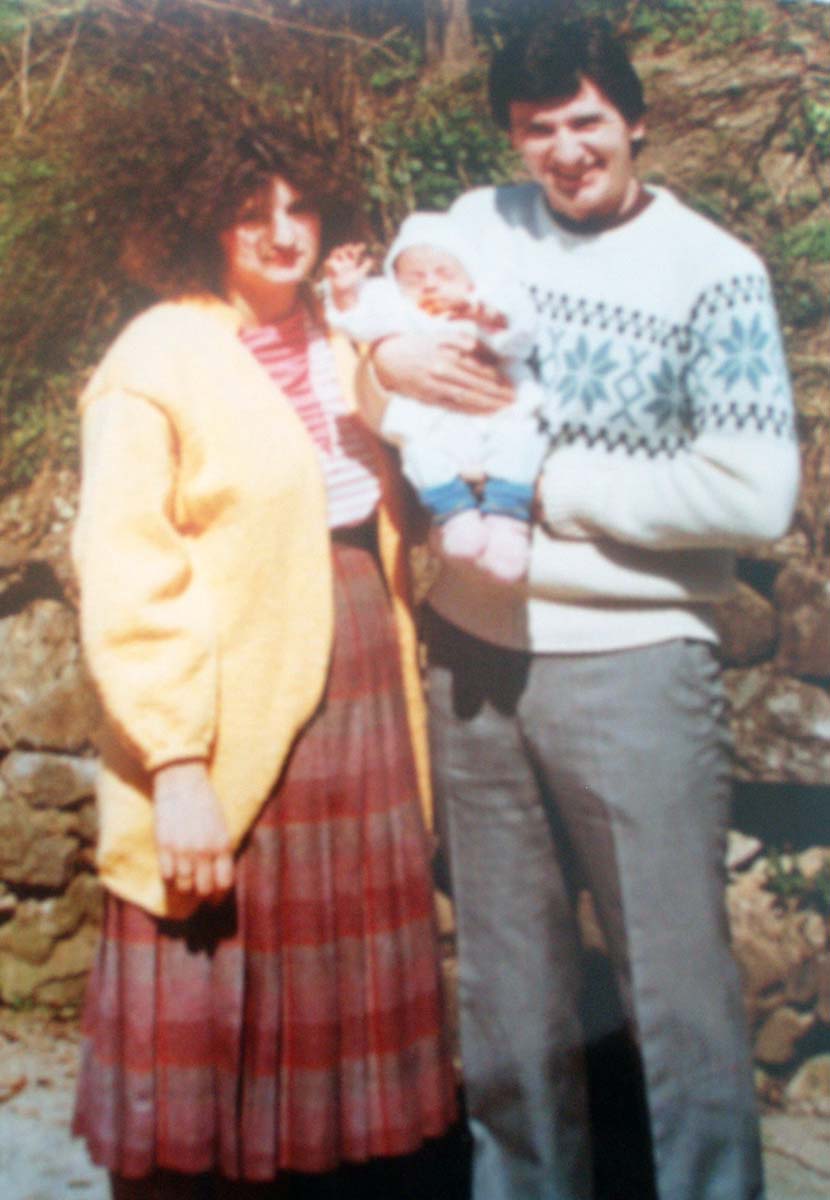
Rudolf, or Rudi as he was called in Srebrenica, was a hardworking, quiet young man, a good football player. He got a job in a battery factory, met the young professor Hatidza and got married. Barbara, her sons, daughter-in-law and granddaughter Dijana lived there until the beginning of the war. The Hren brothers stayed in Srebrenica to defend their town. Ivo died at the beginning of the war and was buried among the Bosniaks and under Muslim customs at the cemetery in the Old Town.
After Srebrenica was occupied by the Serbs in 1995, Barbara, along with Hatidza, little Dijana and other women, were deported to Tuzla. Rudi and his friends set off through the forest.
The remains of Rudolf Hren were found in a secondary mass grave in Kamenica and he was buried in Potocari in 2010 with the wishes and approval of his family.
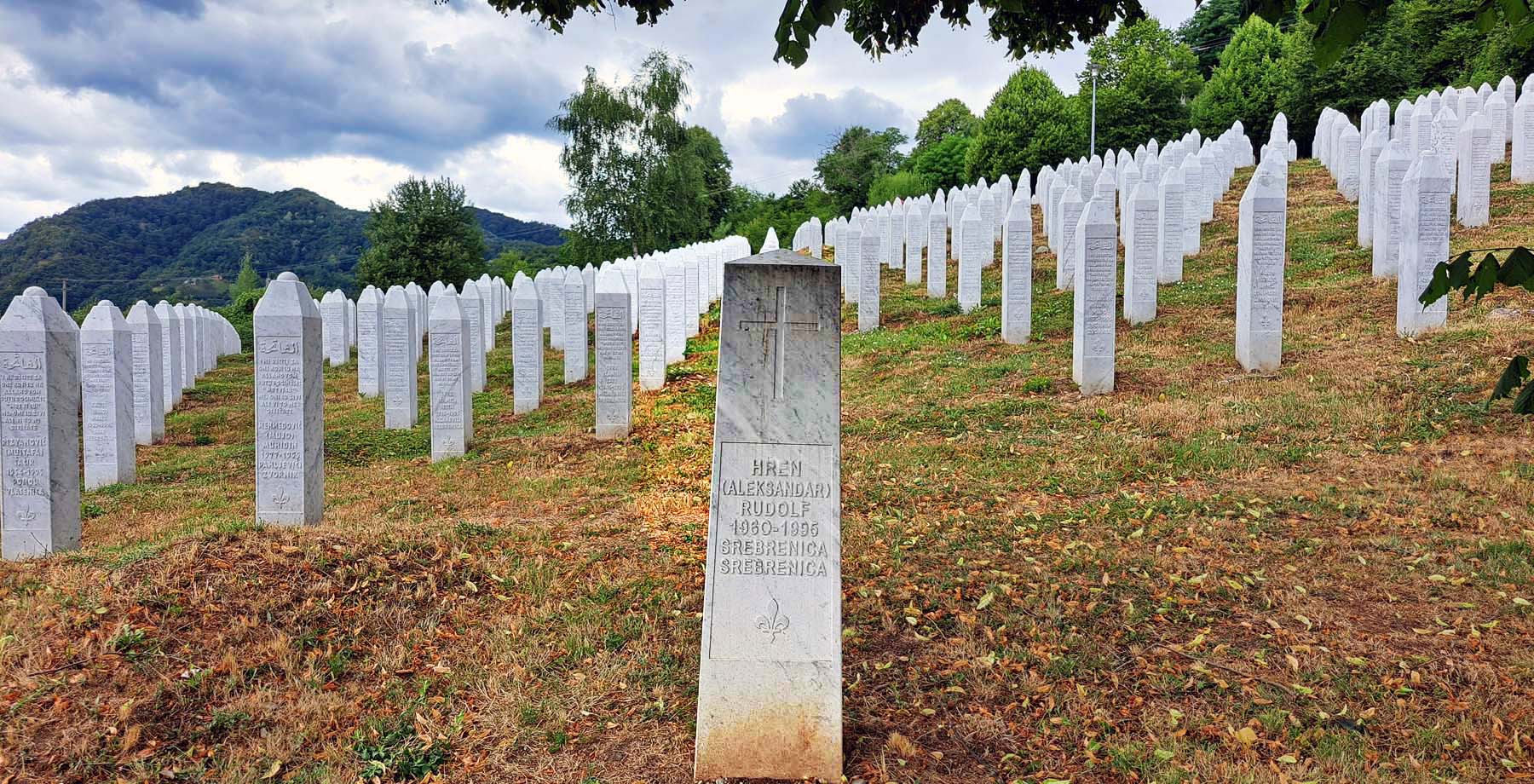
After the war ended, Barbara returned to Srebrenica and lived alone for several years there. She died at the beginning of 2018 and was buried at the Catholic cemetery in Srebrenica.
Rudi's wife, Hatidza Hren, passed away in 2020 and was also buried in Srebrenica.
Daughter Dijana got married and today she lives and works in Sarajevo.
Ante Stanic, also a Catholic who lived in Srebrenica before the war, was also buried in Potocari, but his remains were later moved to another location, according to the family's wishes. The names of Rudolf Hren and Ante Stanic are engraved on a white plaque in the cemetery of the Srebrenica – Potocari Memorial Center.
Kakvo je tvoje mišljenje o ovome?
Učestvuj u diskusiji ili pročitaj komentare


Kakvo je tvoje mišljenje o ovome?
Učestvuj u diskusiji ili pročitaj komentare