


 Srbija
 Hrvatska
 Slovenija

Pettigrew: Urgent constitutional reform and transitional justice are key to stability and European future of BiH


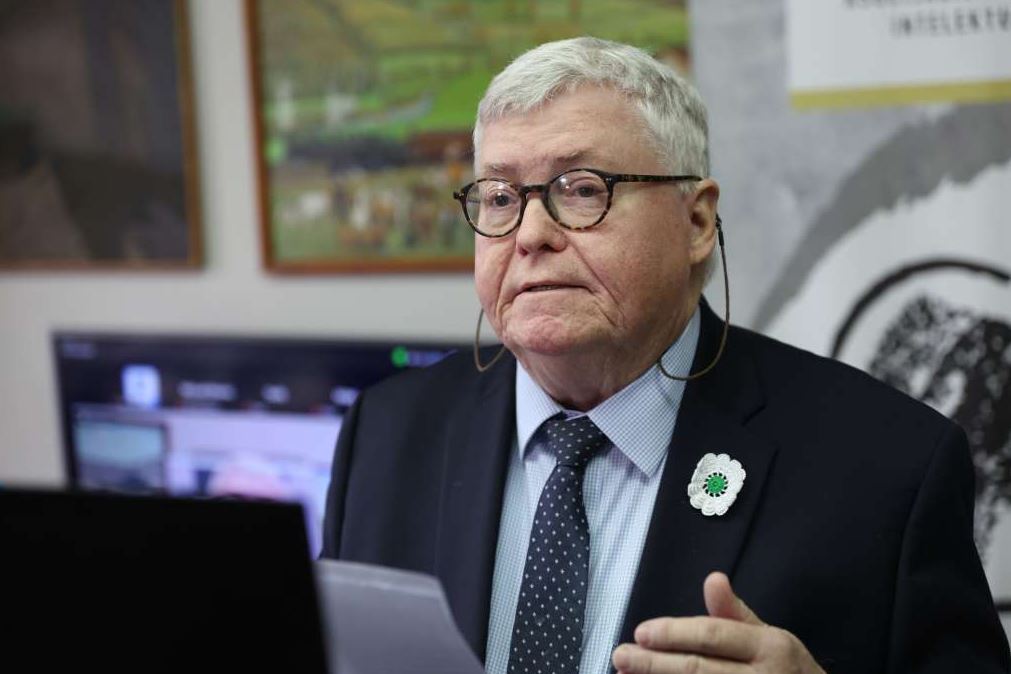
David Pettigrew, professor of philosophy and Holocaust and Genocide Studies at Southern Connecticut State University and member of the Board of Directors of the Genocide Studies Program at Yale University, pointed out the urgent need for constitutional reform in Bosnia and Herzegovina, as well as for transitional justice initiatives that will resist nationalists' efforts to achieve their territorial and eliminationist goals from the 1990s.
Speaking at a session of the Association of Independent Intellectuals Krug 99 on the topic "Constitutional Reform for a Stable Future of Bosnia and Herzegovina", Pettigrew stressed that harmonizing constitutional reform and transitional justice initiatives would contribute to a stable democratic future that would ensure the equality of citizens and guarantee human rights for all in accordance with the rule of law.
"Such reforms and stability would ultimately contribute to BiH's faster progress towards EU membership," said Pettigrew.
He recalled that, although the Dayton Peace Agreement ended the aggression and genocide committed in Bosnia and Herzegovina, the agreement established a power-sharing arrangement based on ethnic divisions, not a democracy based on shared citizenship.
"The Dayton Constitution appeased the nationalist goals of the 1990s at the expense of human rights and the rule of law. Survivors are prevented from erecting memorials at sites where atrocities that were judged to be war crimes were committed. Such sites include the Pilica Cultural Center and the Kravica Agricultural Cooperative, locations where crimes related to the Srebrenica genocide were committed. The mural of (convicted war criminal) Ratko Mladic at the entrance to Kalinovik violates the BiH Criminal Code, which prohibits the glorification of convicted war criminals. It must be removed without delay," stressed Pettigrew.
Transitional justice
He added that such violations of human rights and the Criminal Code of BiH indicate that, in addition to the need to strengthen the rule of law, which would come with genuine constitutional reform, such reforms must go hand in hand with transitional justice initiatives that would transform culture by supporting the human right to memorialization and resisting the denial of genocide and other war crimes.
"Transitional justice initiatives would strengthen constitutional reform. The UN report from October 2020 insists that a commitment to memorialization is key to promoting "the development of a culture of democracy and respect for human rights," Pettigrew said.
Kakvo je tvoje mišljenje o ovome?
Učestvuj u diskusiji ili pročitaj komentare


Kakvo je tvoje mišljenje o ovome?
Učestvuj u diskusiji ili pročitaj komentare