

 Srbija
 Hrvatska
 Slovenija

N1 interview
Through the lens of war: Rikard Larma on Sarajevo’s darkest days


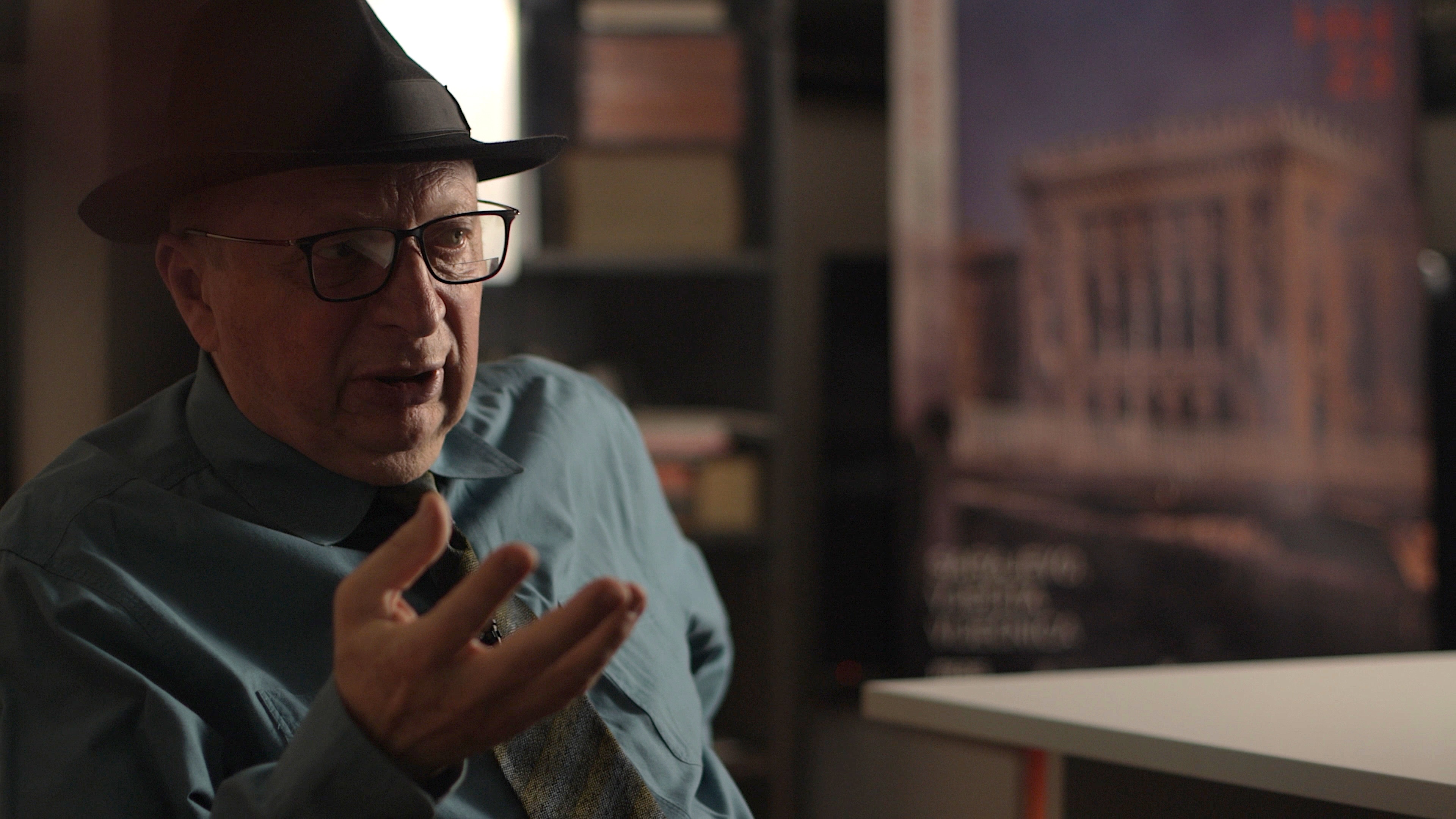
A new episode of the documentary series The Story Behind the Photo has been released, this time focusing on the harrowing experiences of Sarajevo-born photojournalist Rikard Larma. Beginning his career in 1974 at Sarajevo daily Oslobodjenje, Larma would later capture some of the most haunting images of the city under siege.
From sports desk to war zone
Larma became a professional photographer at the age of 20, first working on the sports pages of Oslobodjenje. But when war broke out in 1992, his life behind the lens changed forever.
“As active reporters and photojournalists at the beginning of the war, Hidajet Delic, Fehim Demir, the late Danilo Krstanovic and I all worked. I joined after my first direct encounter with fire—after standing in front of a grenade,” he recalls.
That first moment remains etched in his memory. “I entered the smoke. People from the building’s security were evacuating the wounded to Kosevo hospital. Two people were dead on the spot, abandoned. I was lost, confused. From the Presidency, where the shell landed, I somehow ended up at the Eternal Flame. I filmed something, thinking, someone must see this.”
Bearing witness for the world
From 1992 to 1997, Larma worked with the Associated Press, documenting daily life and death in Sarajevo.
“I found the Associated Press, developed film, and even the lead writer John Pomfret listed me as a witness in his report. That was how I started to both work and survive,” he says.
He describes his mindset with a metaphor from school literature: “While you’re playing, you’re in the game. While you’re publishing, you’re alive. The moment you surrender and go to the basement—you’re lost. I never surrendered. I was everywhere.”
But the price of witnessing war was high. Larma still recalls the day he was wounded by shrapnel and treated at Koševo hospital. “Cars with wounded people kept arriving. Children. I saw four children whose legs had been cut off. That was one of the worst days in Sarajevo.”

Sarajevo as the center of the world
At the height of the siege, Sarajevo was at the center of global news.
“Clips from newspapers were everything. Each day something happened, and the next day it was in the world press,” Larma explains. “Few people truly understand what we went through and what we did.”
Although he managed to stay focused through his work, he admits the emotional toll has never left him. “I have avoided war films for 20 years. Even with my children, I cannot watch. Tears come to my eyes and I cannot stop them.”
The cruel duty of journalism
One of Larma’s most haunting assignments came the day after the Markale massacre, when he was sent to the morgue.
“They told me: Go there, photograph, count so we have accurate data. I counted bodies with morgue staff. That journalistic cruelty—it is, in fact, correct.”
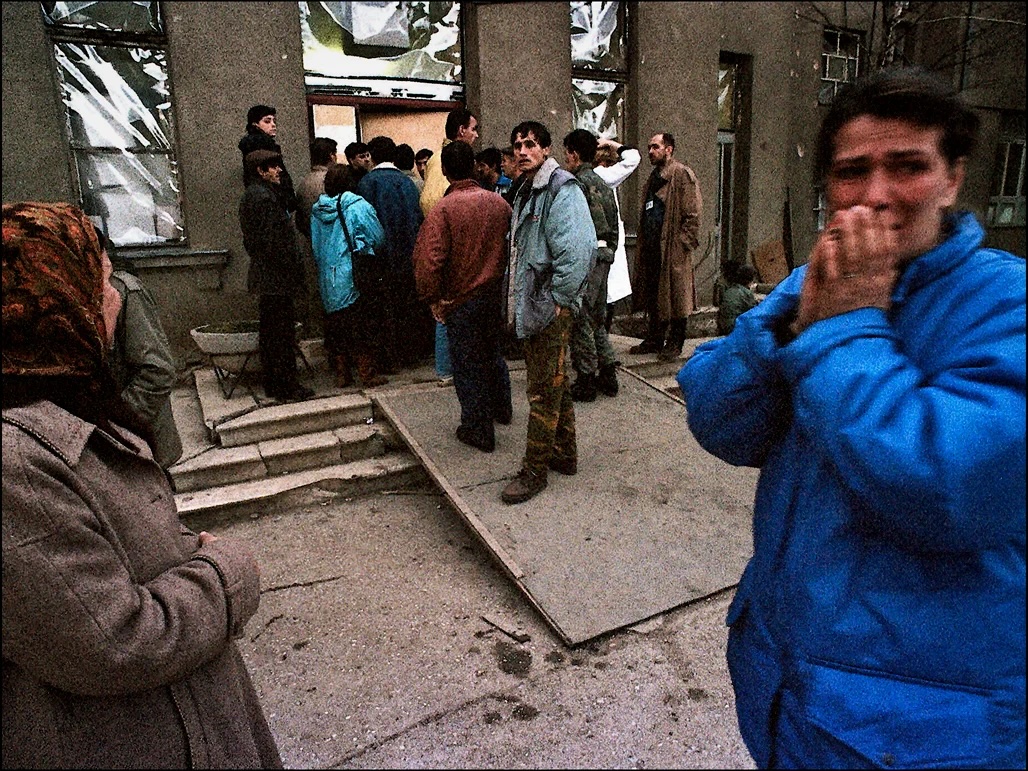
When asked about his most powerful photograph, he points to an image of Sarajevo’s Town Hall. “I cannot say I love a bloody photo. But this one—the old man peeking from behind the house, holding a bundle—captures who we were. It tells a part of our story.”
A story for future generations
The documentary The Story Behind the Photo, founded by Dzemil Hodzic, includes Larma’s testimony—some of which he has never shared publicly before.
“It is a film filled with emotion and painful memories from the aggression against Bosnia and Herzegovina. A very honest life story,” says Hodzic, adding that he hopes it will serve as education for future generations.
For Larma, telling these stories remains essential. Even decades later, his words echo the images he risked his life to capture: fragments of truth preserved so the world would remember.
Watch the full episode here:
Kakvo je tvoje mišljenje o ovome?
Učestvuj u diskusiji ili pročitaj komentare


Kakvo je tvoje mišljenje o ovome?
Učestvuj u diskusiji ili pročitaj komentare