


 Srbija
 Hrvatska
 Slovenija


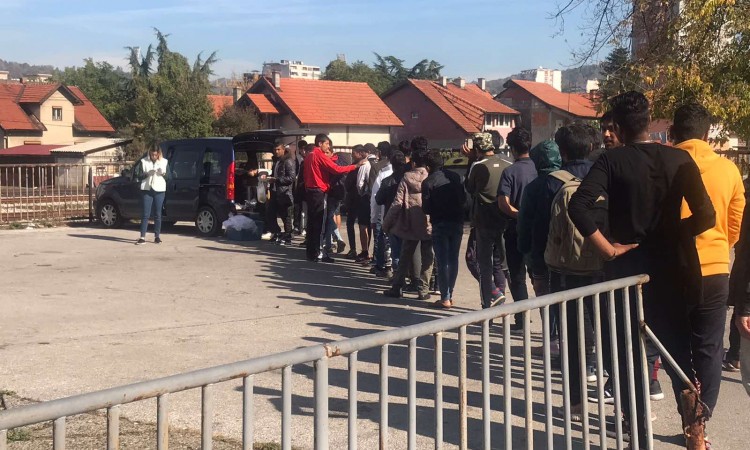
With the aim of better integrating refugees and asylum seekers in Bosnia and Herzegovina, UNHCR has issued seven recommendations, one of which is that access to healthcare must be expanded for asylum seekers across the country.
The UN Refugee Agency (UNHCR) has reported a significant rise in mixed movements of migrants, asylum-seekers, and refugees transiting through Bosnia and Herzegovina since late 2017. Many of these individuals are vulnerable and in need of international protection, having fled war or persecution.
UNHCR stressed that forcibly displaced people must be at the heart of all decisions affecting their safety and well-being. Engaging directly with them is crucial to identifying their most pressing needs, designing appropriate support, and informing advocacy and planning efforts to help local authorities better respond.
To that end, between September and October 2024, UNHCR and its partners conducted 18 consultation sessions with asylum-seekers and refugees across Sarajevo, Una-Sana, Tuzla, and Herzegovina-Neretva Cantons, as well as in Republika Srpska. Participants of all ages and backgrounds shared their experiences and the challenges they face.
Many described lengthy asylum procedures during which they are denied access to the labour market for the first nine months, face restricted healthcare, and lack any form of social protection. Complex administrative processes further delay access to basic rights. Those residing in Temporary Reception Centres reported safety concerns, theft, and inadequate privacy. Some also highlighted an insufficient institutional response to gender-based violence.
Respondents also pointed to serious obstacles to local integration: legal restrictions on employment, difficulties opening bank accounts, and limited access to education and language training, all contributing to deepening economic hardship. Individuals granted subsidiary protection rather than full refugee status face even greater restrictions, including the inability to obtain travel documents, reunite with family members, or pursue naturalisation.
Poor housing conditions, reliance on humanitarian aid, and lack of access to self-reliance opportunities increase social exclusion and insecurity, often pushing people to leave the country. The lack of childcare support particularly affects the economic empowerment of displaced women.
In response to these concerns, UNHCR has put forward several recommendations. These include expediting and improving the asylum process, allowing for self-initiated applications, and enhancing the role of the judiciary in appeals. Service providers should receive targeted training to improve administrative access for those with different legal statuses, and healthcare should be made fully available to asylum-seekers nationwide.
UNHCR also called for a state-led integration strategy covering language, education, employment, and healthcare, supported by adequate funding. Sustainable housing and harmonised social housing legislation are also urgently needed.
Proposed legislative reforms include easing access to naturalisation, travel documents, and family reunification for subsidiary protection holders, and shortening the waiting period for asylum-seekers to gain work rights from nine to three months. The agency also encouraged greater cooperation with banks to promote financial inclusion and urged new partnerships with the private sector to boost refugee employment.
Kakvo je tvoje mišljenje o ovome?
Učestvuj u diskusiji ili pročitaj komentare


Kakvo je tvoje mišljenje o ovome?
Učestvuj u diskusiji ili pročitaj komentare
NAJČITANIJE


















Najnovije









ZDRAVLJE





LIFESTYLE




SHOWBIZ



N1 KVIZ