

 Srbija
 Hrvatska
 Slovenija

US intelligence assessment warns Russia uses Republika Srpska and Serbia to destabilise the Balkans


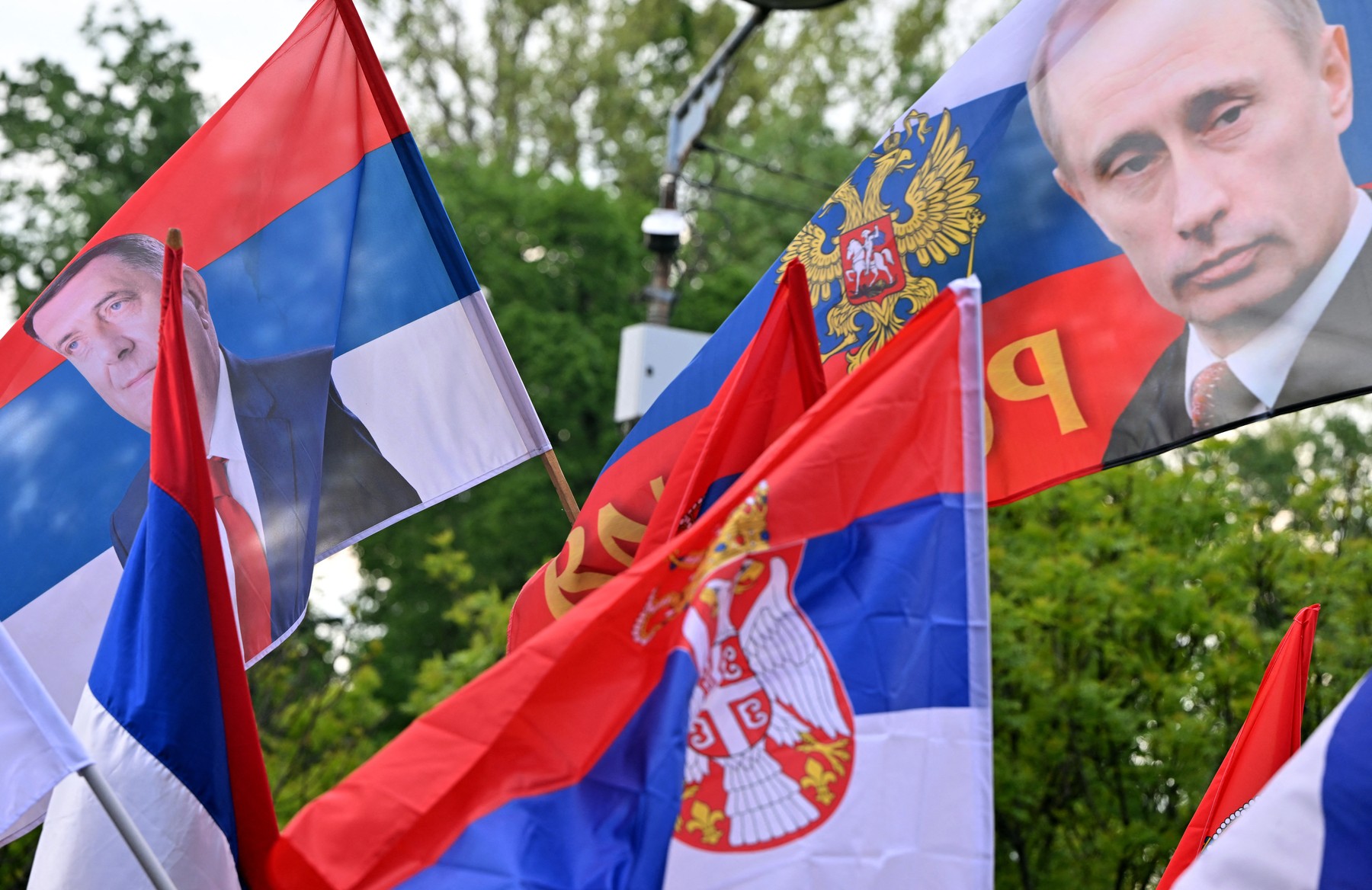
The 2026 Annual Threat Assessment says Moscow backs the separation of Republika Srpska from Bosnia and Herzegovina, fuels tensions between Serbia and Kosovo, and uses narratives of “Serb victimhood” to obstruct NATO and EU influence in the region.
Bosnia and Herzegovina, its entity Republika Srpska, and tensions between Serbia and Kosovo are explicitly highlighted in the latest Annual Threat Assessment of the US intelligence community, which warns that Russia continues to view the Western Balkans as a space for destabilisation, weakening NATO and the European Union, and expanding its own political influence.
In the Europe section of the 2026 Annual Threat Assessment, published by the Office of the Director of National Intelligence (ODNI) on March 18, US intelligence agencies say Russia’s war against Ukraine has “revived fears of ethnic conflict” and deepened political fault lines in the Western Balkans between Russia and the West.
The report states that Russia is “fueling instability” between Serbia - which it favours - and Kosovo over Kosovo’s statehood, and that Moscow also “backs the separation of the Serb entity Republika Srpska from Bosnia and Herzegovina.”
It further warns that Russia uses state-sponsored nongovernmental entities to run campaigns aimed at obstructing NATO and the EU, while amplifying narratives of “Serb victimhood” and promoting ties to Russia, particularly in Bosnia and Herzegovina, Montenegro, and Serbia, where large ethnic Serb populations live.
For Bosnia and Herzegovina, the significance of the report lies in the fact that Republika Srpska is not mentioned only in passing, but in the context of an explicit US intelligence assessment that Russia supports its separation from the Bosnian state.
That suggests Washington continues to view political tensions in Bosnia and Herzegovina not as isolated domestic crises, but as part of a broader geopolitical contest between Russia and the West.
The report places these concerns within a wider European security picture in which most European countries regard Russia as their “greatest and most enduring adversary.” It says Russia’s invasion of Ukraine, its use of gray-zone tactics against industry and civil society across Europe, and efforts to inflame frozen conflicts have sharpened Europe’s security focus.
The assessment also notes that European governments are under growing strain from slow economic growth, high energy prices, inflation, and rising public debt, even as they commit to significantly higher defence spending in response to the war in Ukraine and the broader threat from Russia.
For Sarajevo, the most important message from Washington may be that US intelligence still sees Bosnia and Herzegovina as a sensitive pressure point in Europe’s security landscape - and as one of the places where Russian influence is being actively tested against Western institutions.
Kakvo je tvoje mišljenje o ovome?
Učestvuj u diskusiji ili pročitaj komentare


Kakvo je tvoje mišljenje o ovome?
Učestvuj u diskusiji ili pročitaj komentare