

 Srbija
 Hrvatska
 Slovenija


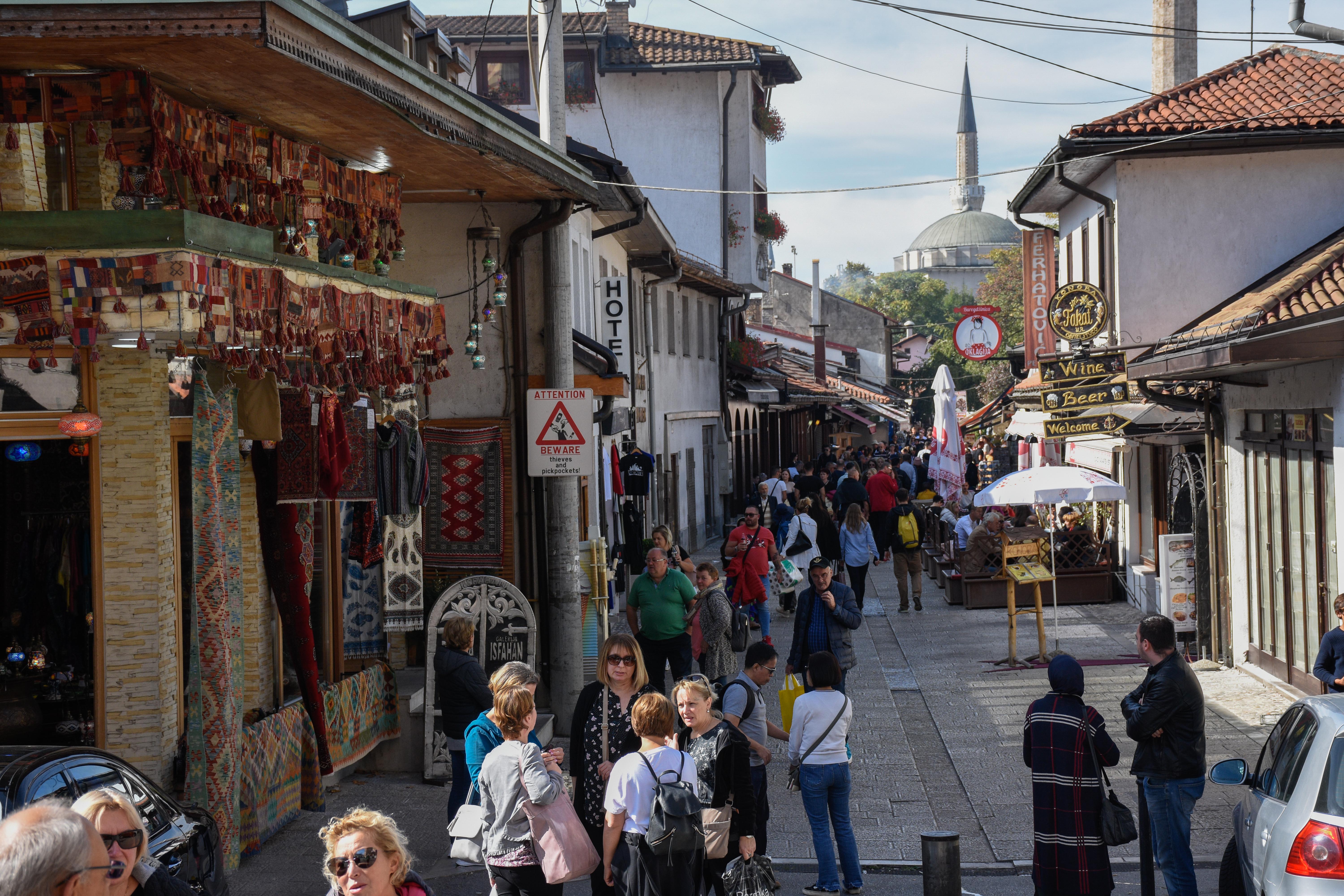
The Western Balkans region is expected to experience seizable population decline in the next few decades with Bosnia and Herzegovina's population decreasing by up to 73 percent, according to a European Commission's 'Demographic and human capital scenarios for the 21st-century' document.
The region is likely to experience population decline by 2060 in all scenarios, as a result of both low fertility, and high emigration that reinforces the magnitude of depopulation.
“Different migration assumption lead to strikingly different demographic futures, in particular for the Western Balkans countries numbered 18 million in 2015,” said the document pointing out that this number could drop to 16 million according to one of the scenarios concerning migrations.
“Should the 1960-2015 average migration rates continue in the long-run, all countries in the sub-region would lose between 7 percent (Montenegro) and 51 percent (Bosnia and Herzegovina) of their population by 2060 (-31 percent regional average),” according to the study.
But, should the outmigration intensify, the region's population might drop to 9.9 million by 2060 according to one of the scenarios, with Bosnia's population declining by 73 percent.
The document recalls that the Western Balkan countries have signed the Stabilisation and Association Agreement with the European Union and are on an integration trajectory into the EU but that these countries have been sending migrants to Western Europe as a result of the humanitarian crisis of the Yugoslav wars in the 1990s.
“More recently, some of the new EU member states that make up the EU-13, in particular, Slovakia, started attracting large numbers of workers from the region, due to linguistic proximity and demand for cheap labour in the automobile industry and others. The closer integration of the Western Balkans into the EU can result in increased migration. Indeed, such immigration could turn some of the EU-12 member states into not receiving countries, after themselves becoming important sending countries of labour immigration to western Europe following their accession in 2004,” said the document.

Analysts warn the authorities that they should immediately declare the state of emergency in the country and turn to solve the real issues the citizens are coping with.
“This is a supra-political and supranational issue and everyone must entirely get involved in solving it, otherwise we will be fewer and fewer in number. Sweeping the problems under the rug by displaying the results in the way that is not accurate and fabricating the results will only lead to activation of the accelerated scenario of emigration, as seen in this document,” said macroeconomic analyst Faruk Hadzic.
Kakvo je tvoje mišljenje o ovome?
Učestvuj u diskusiji ili pročitaj komentare


Kakvo je tvoje mišljenje o ovome?
Učestvuj u diskusiji ili pročitaj komentare