


 Srbija
 Hrvatska
 Slovenija


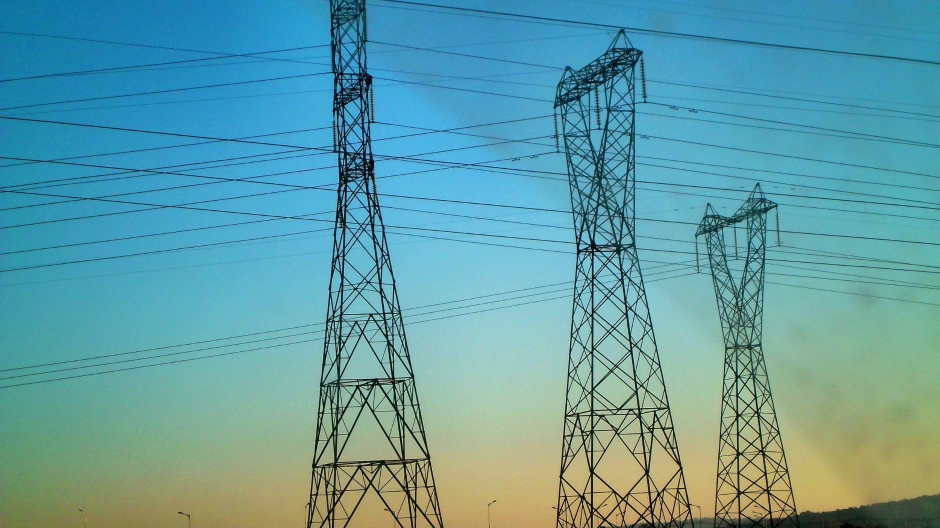
Bosnia and Herzegovina’s (BiH) power system is set to integrate several thousand megawatts of renewable energy sources over the next four years, potentially delivering an annual output of around 3.5 terawatt-hours. However, this major shift towards green energy threatens to induce significant grid congestion and complicate the management of the country's electricity network.
Edhem Bicakcic, a seasoned energy expert and honorary president of CIGRE BiH, told FENA that a vital, albeit partial, remedy for these looming challenges lies in a more substantial injection of investment into the transmission network and the widespread adoption of battery energy storage systems (BESS).
Regulatory hurdles for storage
Bicakcic pointed out that while battery systems are being installed by both consumers and within the transmission and distribution networks, regulatory inconsistencies are creating hurdles.
"Battery systems are installed by users, but also within transmission and distribution networks. However, problems arise here as well. In the new Market Rules adopted by the Independent System Operator (NOS BiH) in April this year, energy storage systems were introduced as market participants, but pumped-storage hydropower plants were excluded for unknown reasons," Bicakcic stated.
He stressed that this exclusion places other forms of energy storage at an unfair disadvantage, noting that it is "inconsistent with the European Union’s Regulation on the internal market for electricity."
Battling price volatility and congestion
The expert argued that the growing frequency of low wholesale prices during the day, coupled with an increasing occurrence of negative electricity prices, provides a clear economic incentive for developing technologies such as pumped-storage hydropower, BESS, and other storage solutions. These systems can exploit price differentials and help to stabilise the market.
NOS BiH itself believes that the integration of BESS can help alleviate core problems with regulation and congestion. Bicakcic added that beyond their crucial role in system regulation, battery systems are expected to be key in eliminating congestion by storing excess electricity during periods of high production and low consumption.
The ancillary services opportunity
Analysis indicates that installing battery systems with a capacity of 225 MW and 450 MWh could generate substantial revenue, particularly through participation in the ancillary services market, including primary, secondary, and tertiary regulation.
Bicakcic highlighted that NOS BiH has already adopted new Procedures for Ancillary Services, which are integral to the Grid Code and Market Rules. While these rules permit the procurement of automatic secondary reserves and fast-response reserves from battery systems, the latter being a new product, the specific conditions and technical criteria for this new service remain undefined.
A cost-effective solution for utilities
Ultimately, the deployment of electricity storage, when combined with advanced monitoring and control, represents a cutting-edge technical solution for maintaining the reliability and stability of modern power systems. The potential services offered by BESS are vast, including exploiting wholesale market price differences, postponing the need for costly infrastructure investments, and enabling island operation in case of grid failure.
Bicakcic concluded that the application of battery systems is "perhaps most significant and highly cost-effective for power utilities," the major producers and suppliers in BiH.
“They are expected to play a leading role in implementing battery systems, as they have suitable locations for installation, with a return on investment of four years,” he affirmed in his statement to FENA.
Kakvo je tvoje mišljenje o ovome?
Učestvuj u diskusiji ili pročitaj komentare


Kakvo je tvoje mišljenje o ovome?
Učestvuj u diskusiji ili pročitaj komentare