

 Srbija
 Hrvatska
 Slovenija

Bosnia rejects UK proposal to host rejected asylum seekers as Kosovo signals willingness


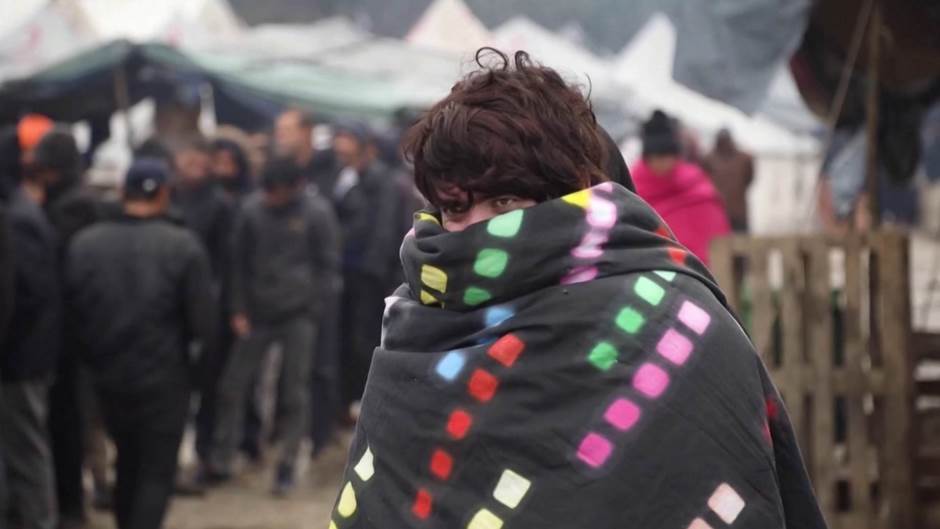
Bosnia and Herzegovina has firmly rejected the possibility of hosting rejected asylum seekers from the United Kingdom, distancing itself from London’s controversial plan to establish so-called “return centres” in third countries. The statement came from Zeljko Komsic, the Chairman of the Presidency of Bosnia and Herzegovina, who told The Times that Sarajevo will not participate in any such arrangements.
Komsic’s position places Bosnia in direct contrast to Kosovo, whose Prime Minister Albin Kurti became the first regional leader to indicate readiness to cooperate with London. Kurti confirmed that talks are ongoing with British officials, telling The Times, as cited by The Guardian, that Kosovo “wants to help the United Kingdom” despite limited capacities. He said regular communication is underway between the two governments’ interior ministries and legal teams. In return, Kurti said Kosovo expects security-related support, including strategic agreements, equipment, and project funding.
Komsic’s response reflects Bosnia’s broader policy of prioritising internal stability and adherence to international human rights standards. Sarajevo has long resisted external pressure to host migrants on behalf of other states, arguing that such arrangements could create social, legal, and humanitarian complications, particularly given the country’s existing challenges in managing migration flows along the so-called Western Balkans route.
The UK government, under Prime Minister Keir Starmer, announced in May plans to relocate rejected asylum seekers to processing or detention centres in partner countries. The initiative aims to deter irregular migration and speed up deportations of those whose asylum claims were denied. However, the proposal has drawn sharp criticism from humanitarian organisations, including the Refugee Council, whose chief executive Enver Solomon warned that detaining people in countries “they have never set foot in” creates fear and undermines compliance with international law.
Neighbouring Montenegro has taken a more cautious stance. Prime Minister Milojko Spajic said his government is open to negotiations with London only if Britain makes substantial infrastructure investments. Meanwhile, Albanian Prime Minister Edi Rama criticised the idea, calling it “unthinkable before Brexit” and describing the UK’s current migration debate as evidence of a “very dark state of affairs.”
The issue will likely feature prominently at the Western Balkans summit in London, hosted by Prime Minister Starmer. Ahead of the meeting, Starmer said the UK aims to “close the criminal highway through the Western Balkans,” adding that Britain will deploy drones and scanners at key border points and work with regional partners to reduce illegal crossings, which, according to him, have already dropped by nearly 50 percent.
Despite London’s diplomatic efforts, Bosnia’s rejection underscores a growing divide in the region over cooperation with British migration policies. While some governments see potential security or financial benefits, Bosnia’s stance reflects a commitment to sovereignty, legal integrity, and protection of human rights, signalling that it will not host facilities perceived as external detention centres on its territory.
Kakvo je tvoje mišljenje o ovome?
Učestvuj u diskusiji ili pročitaj komentare


Kakvo je tvoje mišljenje o ovome?
Učestvuj u diskusiji ili pročitaj komentare