

 Srbija
 Hrvatska
 Slovenija


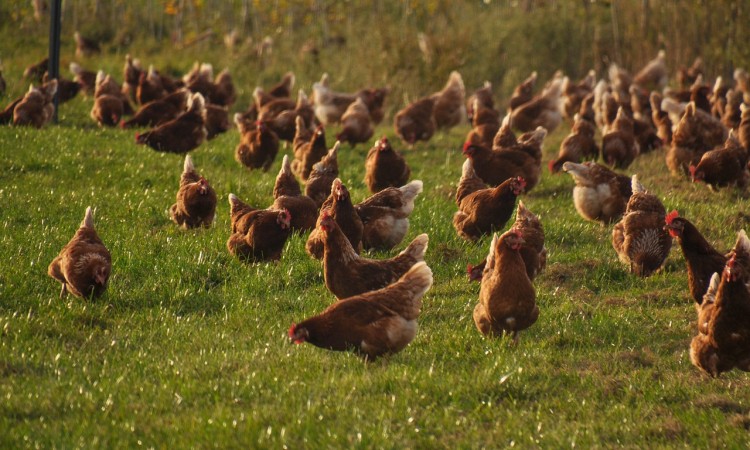
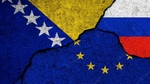
Bosnia and Herzegovina’s poultry industry is facing mounting pressure after the European Union temporarily banned imports of chicken meat following a bird flu outbreak at a single farm in Petrovo. The suspension, now nearing one month, has already disrupted supply chains, leaving thousands of tonnes of meat on the domestic market and forcing producers to absorb additional storage costs.
Velibor Popovic, head of the Coordination Board of Poultry Farmers in BiH, told N1 the sector has implemented all required containment measures and expects exports to resume in the first half of April. “We hope the 30-day period since the measures were introduced will expire by April 5, after which export approvals could follow shortly. There have been no new cases, it was an isolated incident,” he said.
Despite optimism, the financial impact is becoming evident. Producers have been forced to freeze part of their output, an unplanned move that raises storage expenses and typically results in lower selling prices. At the same time, domestic markets are under pressure from cheaper imported products, further squeezing margins.
Some of the surplus has been redirected to CEFTA markets, which have largely remained open, while another portion has been absorbed locally, increasing supply. However, the domestic market is already close to saturation, limiting room for adjustment. According to industry estimates, around 1,500 tonnes of poultry meat scheduled for export in March alone have been affected, with annual exports typically ranging between 15,000 and 20,000 tonnes.
Popovic pointed to “regionalization” as a long-term solution, which would limit restrictions to affected areas rather than the entire country. “Avian influenza will remain a recurring risk, and the system needs to adapt,” he said.
While the sector has shown resilience, maintaining a trade surplus for three consecutive years, prolonged restrictions could lead to production cuts and deeper disruptions. For now, industry representatives say short-term shocks remain manageable, but warn that any extension of the ban would significantly escalate the risks.
Kakvo je tvoje mišljenje o ovome?
Učestvuj u diskusiji ili pročitaj komentare


Kakvo je tvoje mišljenje o ovome?
Učestvuj u diskusiji ili pročitaj komentare