

 Srbija
 Hrvatska
 Slovenija


Despite efforts by Milorad Dodik, President of Republika Srpska and leader of the Alliance of Independent Social Democrats (SNSD) party, to convene a meeting of all parliamentary party representatives in Bosnia and Herzegovina, his initiative has largely fallen flat, receiving support only from long-standing political allies within Republika Srpska.
No representatives from the Croat Democratic Union (HDZ BiH) responded to Dodik’s invitation, despite the party and its leader, Dragan Covic, being considered traditional partners of the SNSD. Opposition parties from Republika Srpska, as well as members of the 'Troika' coalition—comprising Social Democratic Party (SDP), People and Justice (NiP), and Our Party (NS) — also declined the invitation. The Troika has previously called for the termination of the coalition with Dodik's SNSD, citing his increasingly anti-European political stance.
Dodik had described the meeting as an attempt to find a domestic solution to Bosnia and Herzegovina’s ongoing political crisis, a call that followed recent statements at the United Nations Security Council encouraging local political leadership to address the country’s constitutional challenges.
However, opposition figures and Troika representatives were quick to reject the offer. Several emphasised that Dodik’s first meeting should be with judicial authorities, referring to the fact that he has been the subject of a central arrest warrant since March. He is currently under investigation for actions allegedly aimed at undermining Bosnia and Herzegovina’s constitutional order.
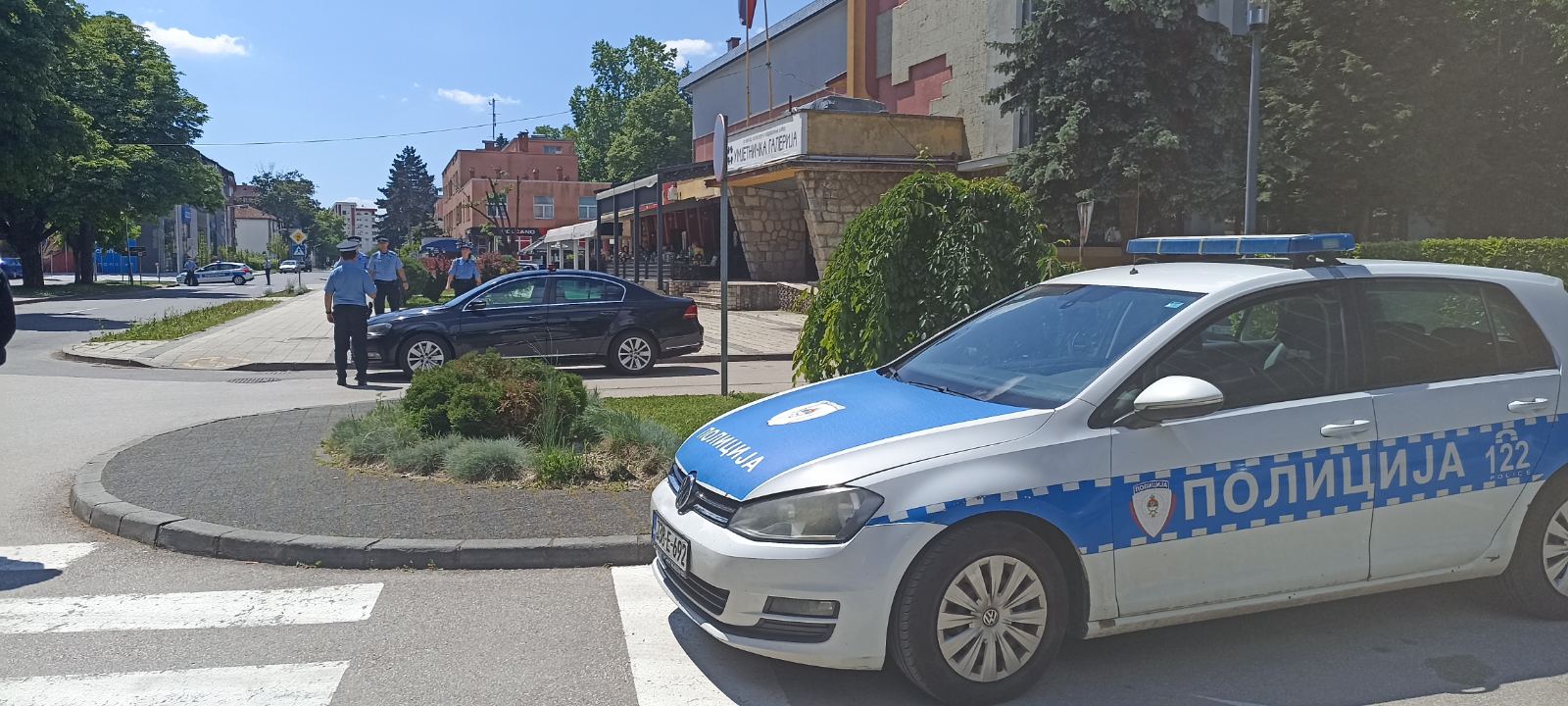
In light of this, a significant police presence was reported in Doboj, where the meeting was held at 2 pm, amid speculation that security forces were prepared to act on the outstanding warrant if necessary.
The only attendees at the meeting were Dodik’s current coalition allies: representatives from United Srpska and DEMOS. The absence of other political actors underscores Dodik’s growing isolation on the national political stage, despite his continued attempts to position himself as a central figure in resolving Bosnia and Herzegovina’s internal disputes.
Dodik justifies himself and RS officials
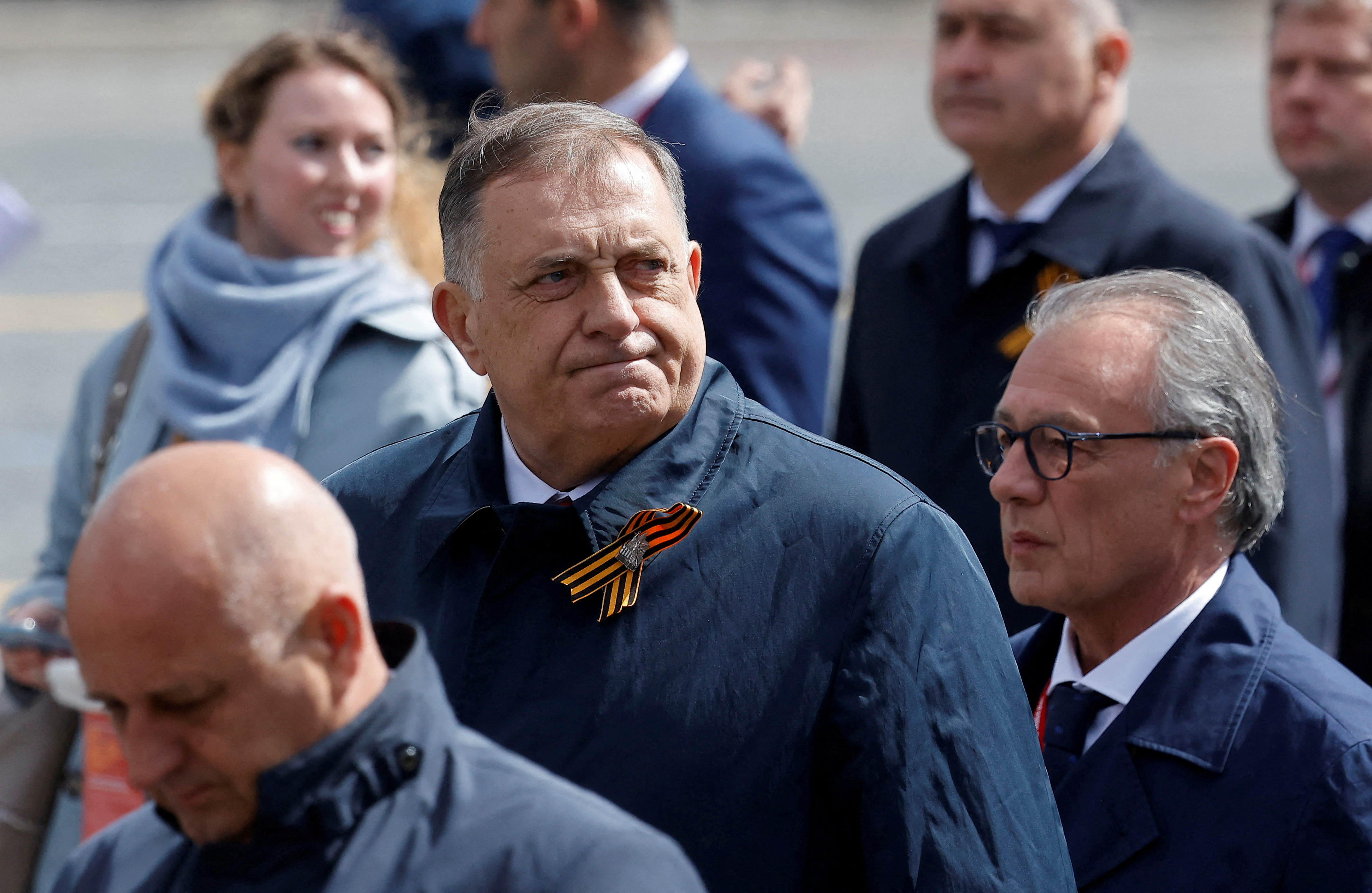
After the failed meeting, Republika Srpska President Milorad Dodik defended the initiative and reiterated that the goal had been to respond to the United Nations Security Council’s call for domestic dialogue. He expressed disappointment over the absence of major parties but maintained that the effort to resolve the political crisis would continue.
“The motivation for organising this meeting was an agreement among political parties to attempt, based on the warnings from the UN Security Council, to launch a dialogue—not to accept dictates,” said Dodik.
He firmly rejected claims that Republika Srpska triggered the current crisis. “The crisis was not caused by Republika Srpska. We have always reacted to actions aimed at undermining our institutional capacity to the point of non-existence,” he stated.
Dodik directed sharp criticism toward international officials and institutions, accusing them of imposing external control on the country’s legislative processes.
“The existing dictate comes under the guise of institutional action, but it is driven by the involvement of foreigners intervening in Bosnia and Herzegovina’s legislative framework,” he said.
Particularly harsh criticism was reserved for High Representative Christian Schmidt, whose authority is not recognised by Republika Srpska institutions.
“With the arrival of Schmidt, whose actions we completely reject, the issue of sovereignty has once again come to the fore. We aim to annul all his decisions—there is no other way,” said Dodik.
He also accused political parties from the Federation of Bosnia and Herzegovina of manufacturing a sense of security crisis in order to justify EUFOR’s continued presence in the country.
“Some want to push EUFOR into the fire, but we do not have a security problem—we are simply seeking our constitutional rights,” he declared.
Commenting on international dynamics, Dodik said: “Biden’s America and the United Kingdom are against Republika Srpska, while Trump’s America no longer shares those views. In Moscow, I have seen that we are gaining more friends.”
Addressing those who boycotted the meeting, Dodik concluded: “I didn’t expect them to come—that’s their shortsightedness. We will not give up on our policies.”
Kakvo je tvoje mišljenje o ovome?
Učestvuj u diskusiji ili pročitaj komentare


Kakvo je tvoje mišljenje o ovome?
Učestvuj u diskusiji ili pročitaj komentare
NAJČITANIJE



Najnovije


ZDRAVLJE


LIFESTYLE


SHOWBIZ