

 Srbija
 Hrvatska
 Slovenija


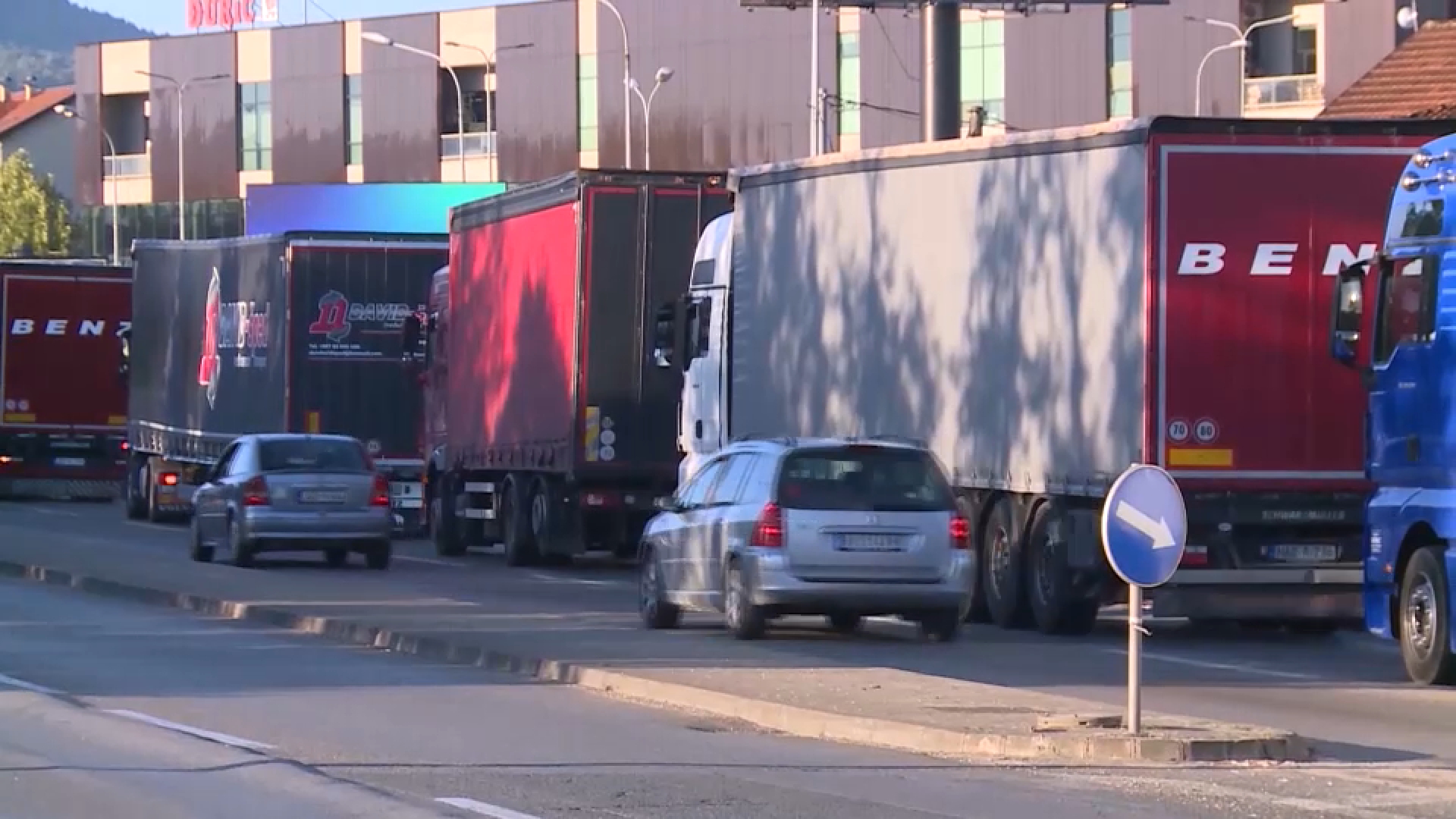
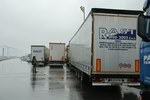
The transport industry in the Western Balkans is facing a critical crisis due to what industry leaders describe as systemic obstructions from European Union member states. Biljana Muratovska, Secretary General of the Makam-trans Association, warned in an interview with FENA that nearly 40 percent of North Macedonia’s transport fleet is currently non-functional. The downturn is attributed to the strict enforcement of the 90/180-day Schengen stay rule and aggressive tactics by EU companies to recruit regional drivers.
Muratovska noted that while the rule itself is not new, its application across 29 Schengen countries has effectively isolated the Western Balkans. She characterized the region as a "deserted island" where professional drivers are being lured away by EU-based firms. The International Road Transport Union (IRU) estimates that two million drivers will retire by 2025, with an additional 500,000 required by 2026. This massive labor gap has prompted EU states to implement strategies to capture the Balkan workforce and transport market.
According to Muratovska, these strategies include non-standard road checks, excessive border delays, and the imposition of arbitrary fines. "Drivers are told to pay the fine first and appeal it later," she stated, noting that countries like France, Belgium, and Austria are inventing new interpretations of international permits that contradict existing agreements. These measures often treat transit transport as third-country operations, further complicating logistics and increasing costs.
The exclusion of road transport from exemptions granted to air, sea, and rail sectors has exacerbated the issue. The resulting driver shortage has led to a significant decrease in transport volumes, including livestock, triggering a broader economic impact. National authorities are currently negotiating with neighboring states to have short, daily cross-border trips exempted from the 90/180-day count.
Muratovska concluded that despite harmonizing legislation with EU standards, the Western Balkans have been returned to a de facto visa regime. She warned that decision-makers failed to recognize transport operators as a fundamental link in economic development. Without immediate support and a resolution to the visa process, the entire regional economy faces potential supply chain interruptions and long-term instability.
Kakvo je tvoje mišljenje o ovome?
Učestvuj u diskusiji ili pročitaj komentare


Kakvo je tvoje mišljenje o ovome?
Učestvuj u diskusiji ili pročitaj komentare