

 Srbija
 Hrvatska
 Slovenija

Manual passport stamping is a matter of past, EES fully in force on EU borders


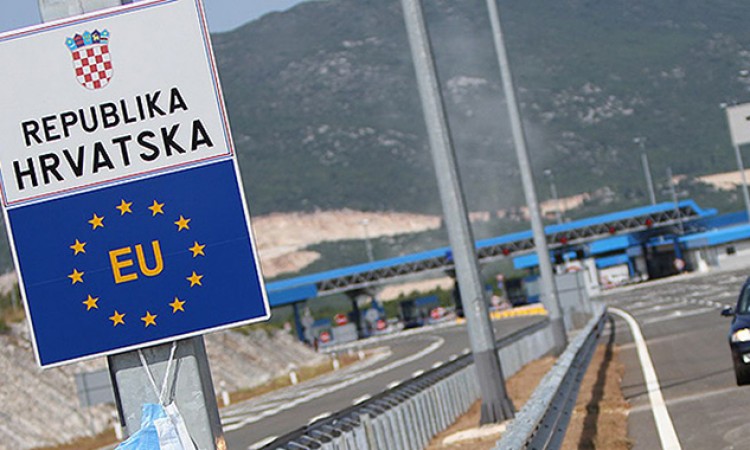
The European Union Entry/Exit System (EES) has become fully operational as of Friday, April 10, 2026, replacing manual passport stamping with biometric scanning for citizens of non-EU countries, including Bosnia and Herzegovina.
Travelers entering the EU will now have to have their fingerprints and a photograph taken upon arrival in the Schengen area. The system is being implemented in 29 European countries, with the aim of tightening security and improving detection of overstays.
What is EES?
The EES is an automated IT system for registering non-EU nationals travelling for a short stay, each time they cross the external borders of 29 European countries using the system. The system registers the person's name, travel document data, biometric data (fingerprints and captured facial images) and the date and place of entry and exit, in full respect of fundamental rights and data protection. It also records refusals of entry.
The system also records refusals of entry. From 12 October 2025 onwards, 29 European countries have gradually or fully implemented the EES at their external borders over a period of six months. Border authorities are gradually registering the data of non-EU nationals to whom the EES applies.
The EES contributes to preventing illegal migration and helps protect the security of all those living in or travelling to Europe. The new system also helps non-EU citizens to travel more easily, while at the same time identifying overstayers and cases of document and identity fraud more effectively. In addition, the system enables the wider use of automated border controls and self-service systems, which are faster and more convenient for travellers.
The European Agency for the operational management of large-scale IT systems in the area of freedom, security and justice (eu-LISA) is responsible for the development and management of the system.
The Entry/Exit System (EES) is operational at all border crossings in the Republic of Croatia, including those towards Bosnia and Herzegovina, the Croatian Ministry of the Interior told N1.
The ministry also explained that there are exceptions listed in Article 2 of Regulation (EU) 2017/2226, to which the EES system does not apply.
When it comes to third-country nationals who already have an EES file, the Ministry of Interior of the neighboring country states that they must exit the vehicle for identity verification at each subsequent border crossing.
They added that the basic procedures are the same at all border crossings, but that the difference at land crossings is that passengers must exit the vehicle.
Speaking about the crowds at the borders, the the ministry noted that the EES is not the only reason for busy crossings.
"The EES is not the only reason for the crowds, but the infrastructure and human resources also affect it, not only in the Republic of Croatia but also in neighboring third countries ," they stated.
In their response to N1, they also reminded that Croatia was ready to open the new border crossing Gornji Varoš - Gradiška Novi Most in December 2025 , which, they claim, was supposed to relieve the existing crossing Stara Gradiška - Gradiška , but that this did not happen because the conditions for its opening in BiH were not met.
They also explained the rules relating to the validity of passports of citizens of BiH and other third countries.
"The BiH passport must be valid for at least three months after the date of planned departure from Croatia and must have been issued within the last ten years ," they said.
Kakvo je tvoje mišljenje o ovome?
Učestvuj u diskusiji ili pročitaj komentare


Kakvo je tvoje mišljenje o ovome?
Učestvuj u diskusiji ili pročitaj komentare