

 Srbija
 Hrvatska
 Slovenija


In the winter of 1984, while the world’s gaze lingered on Sarajevo for the Winter Olympics, a quiet love story was unfolding between two teenagers—Bosko Brkic, a Serb, and Admira Ismic, a Bosniak. Nine years later, on 18 May 1993, they were shot and killed while trying to flee the besieged city. By then, the world was watching Sarajevo for another, far more harrowing reason: war.
Sarajevo had become a city divided, and the Miljacka river sliced through its heart—one bank held by Bosnian Serb forces, the other by government troops. Bosko and Admira, both 25, planned their escape across this fractured front line. According to multiple witnesses, their route was agreed with both sides. They set off from Skenderija, walking the left bank of the river toward the Vrbanja bridge. But they never made it across.
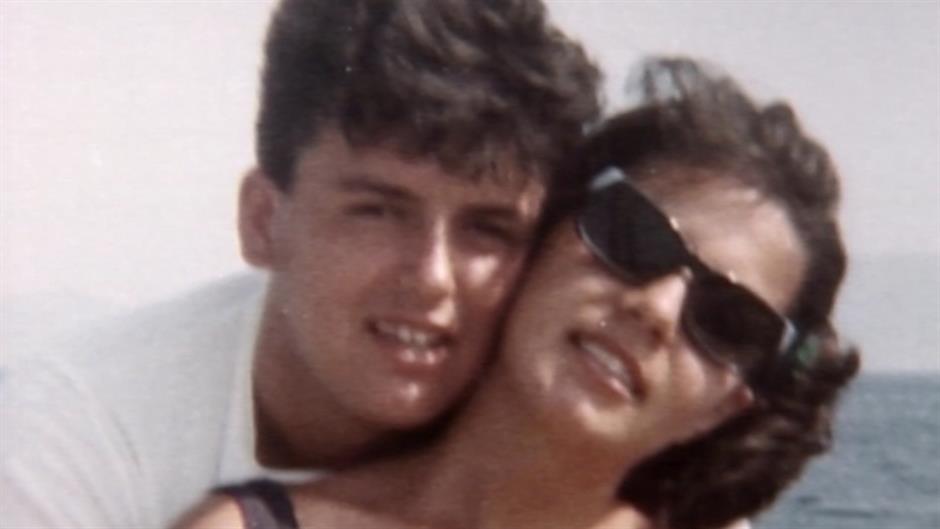
Caught in no man’s land, the couple was gunned down by automatic fire. Their lifeless bodies lay on the bridge for days, embraced in death, while no side dared retrieve them. The image of their final embrace—a young couple felled by war—would travel the globe.
It was Reuters journalist Kurt Schork who first told the world their story, filing a dispatch on 23 May 1993. He wrote that Bosko was hit first, and Admira, wounded, crawled to him, wrapped her arm around his body, and died at his side.
A soldier named Dino, stationed nearby, later corroborated Schork’s account. Bosko was found face down, his right arm twisted behind him. Admira’s body lay beside his, her arm draped across his back. Just behind them, the corpse of another man—killed five months earlier—remained.
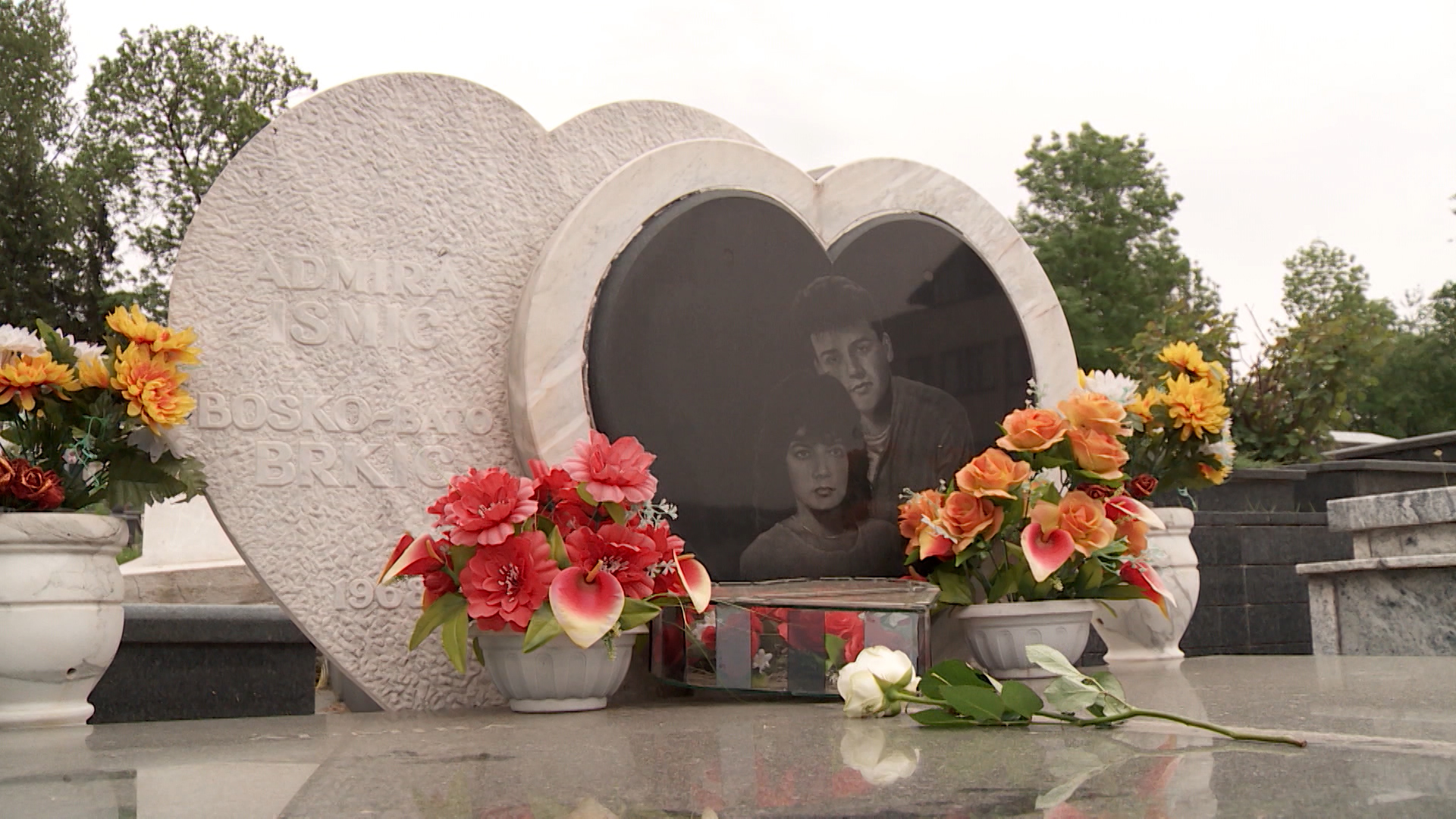
Their families had always embraced their relationship. In a country tearing itself apart, the two had chosen love. They were first buried in Lukavica, but with agreement from both families, their remains were later moved to the Lav cemetery in Sarajevo. There, they lie together beneath a heart-shaped headstone.
Their parents refused to allow their love story to be politicised. Comparisons to Romeo and Juliet were rejected—Bosko and Admira’s love was not forbidden. It was accepted. But it became another casualty of senseless violence.

The bridge where they died—Vrbanja bridge—was eventually renamed in honour of two other Sarajevo victims, Olga and Suada. Each year, the anniversary of Bosko and Admira’s death is marked, yet no memorial marks the place where they fell. No plaque, no inscription, no sign of the love that once tried to cross enemy lines.
Snjezana Ivandic Ninkovic, a human rights activist, believes their story symbolises what was lost in the war—humanity, empathy, and understanding.
Bosko and Admira met at Sarajevo’s Third Gymnasium. Friends remember him as quiet and introspective, her as fearless and untamed. Admira loved motorcycles, could fix cars, and wasn’t afraid of anything, they said.
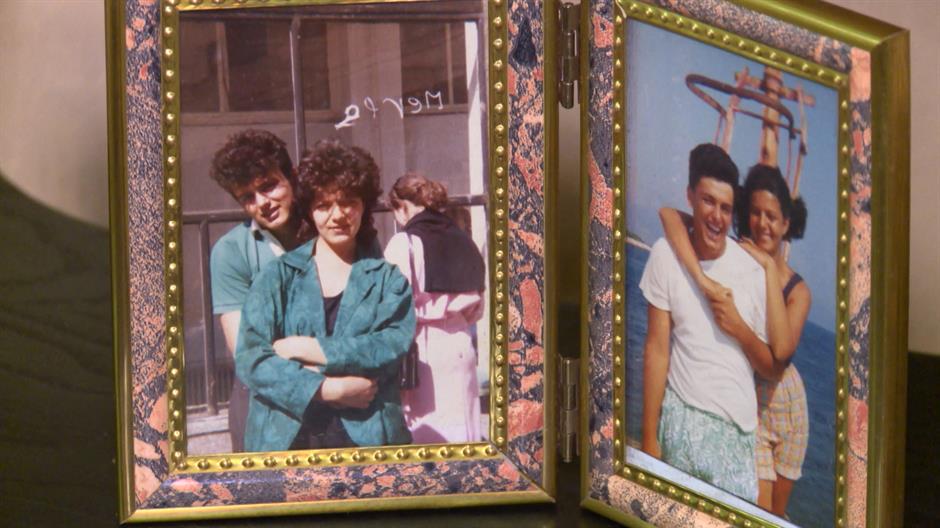
In the 1980s, such love stories were unremarkable in Sarajevo. Of the nearly 2,900 marriages registered in Bosnia and Herzegovina in 1991, roughly 10% were “mixed marriages.” Today, that statistic feels like a relic from another world.
But their story endures—in articles, films, songs, and documentaries. Schork, the journalist who gave them a voice, requested that part of his ashes be buried near their grave. In Sarajevo, a street bears his name.
Kakvo je tvoje mišljenje o ovome?
Učestvuj u diskusiji ili pročitaj komentare


Kakvo je tvoje mišljenje o ovome?
Učestvuj u diskusiji ili pročitaj komentare