Srbija
 Hrvatska
 Slovenija

Italian journalist opens exhibition featuring letters from children in besieged Sarajevo: Children's voices as a warning against repetition of war


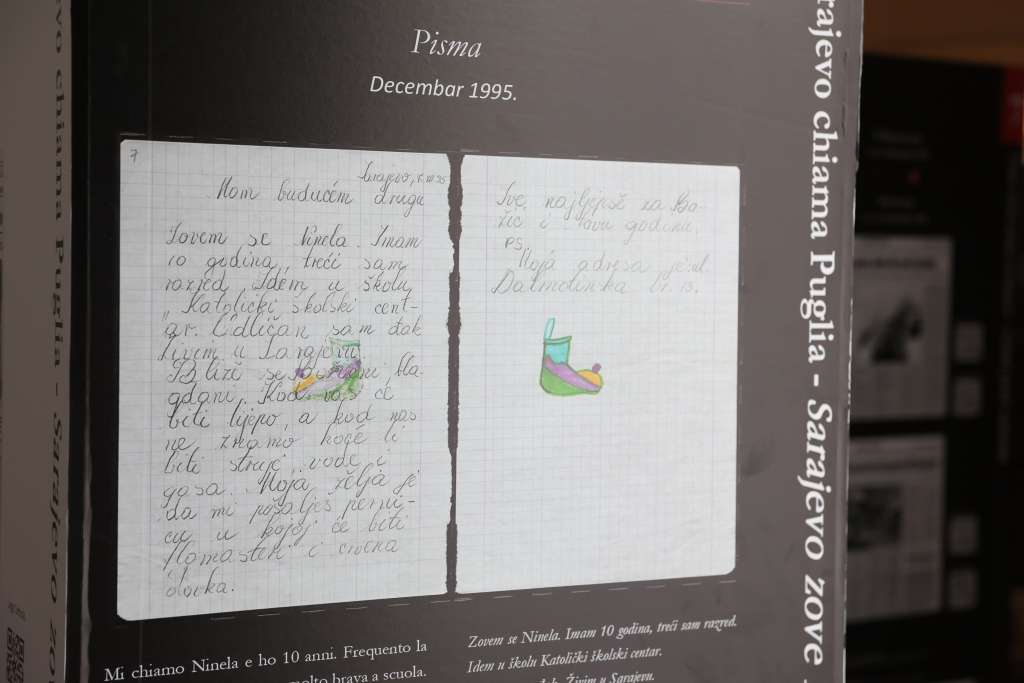
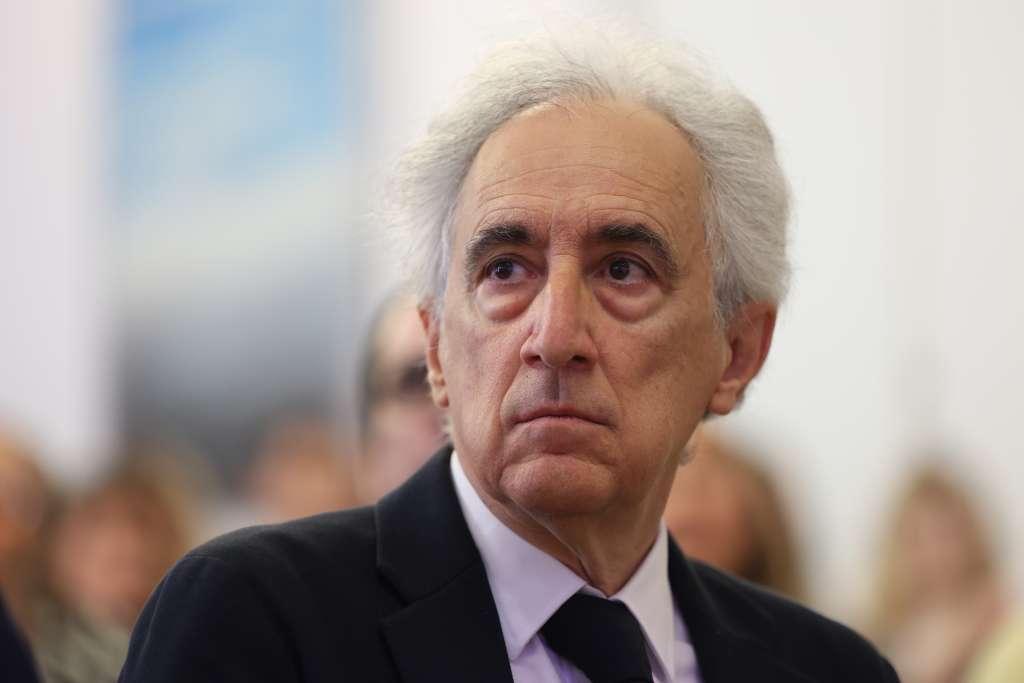
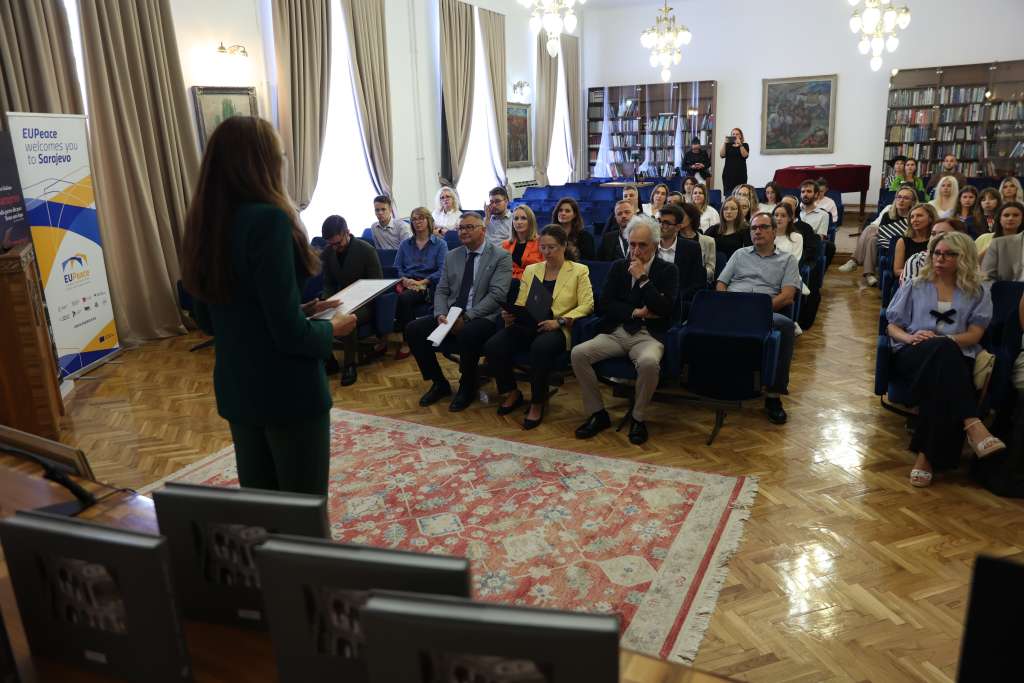
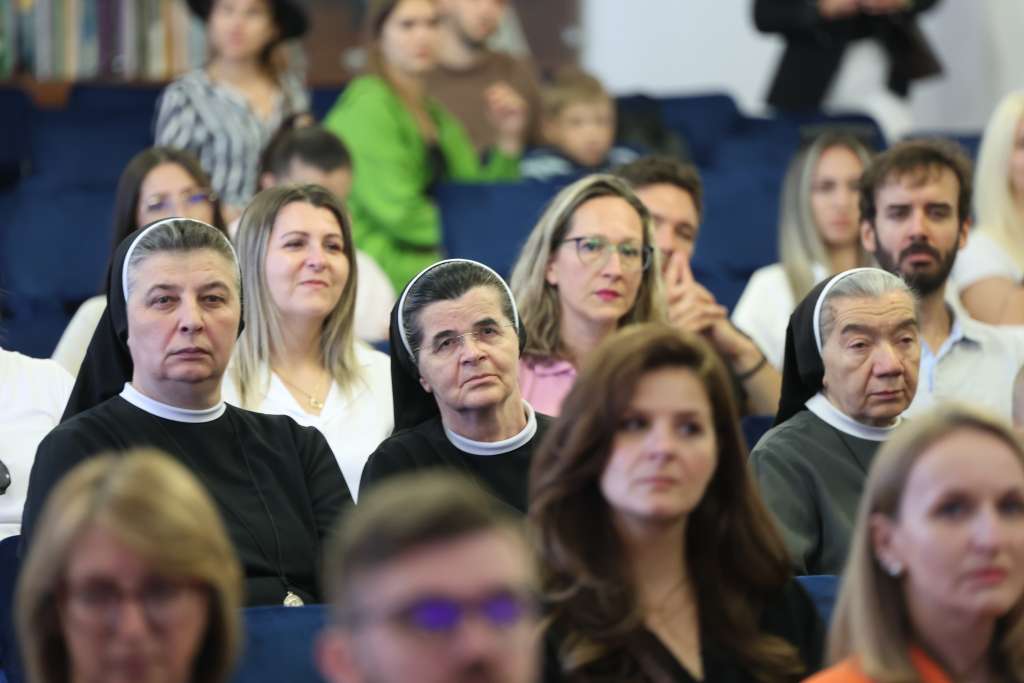
Thirty years after the end of the war, the voices of children who transformed their fears, hopes, and dreams into letters during the siege of Sarajevo have once again been given a platform to bear witness. The cultural and memorial exhibition Sarajevo – From War to Peace: Thirty Years Later, created by Italian war correspondent Franco Giuliano, opened today at the University of Sarajevo Rectorate as a powerful reminder that war must never be forgotten, but must never be repeated.
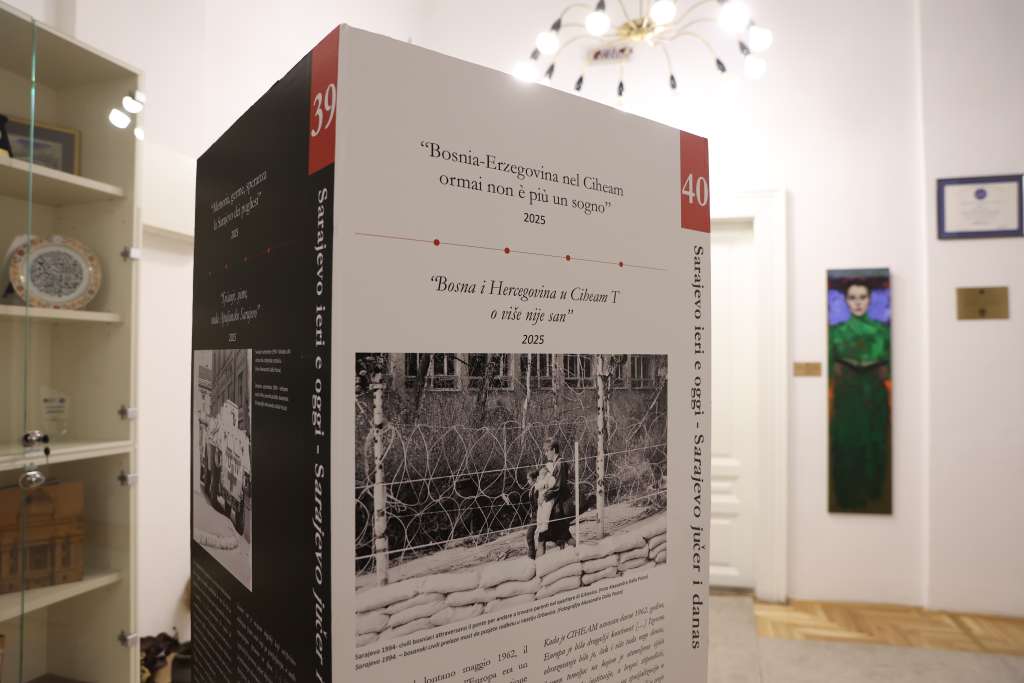
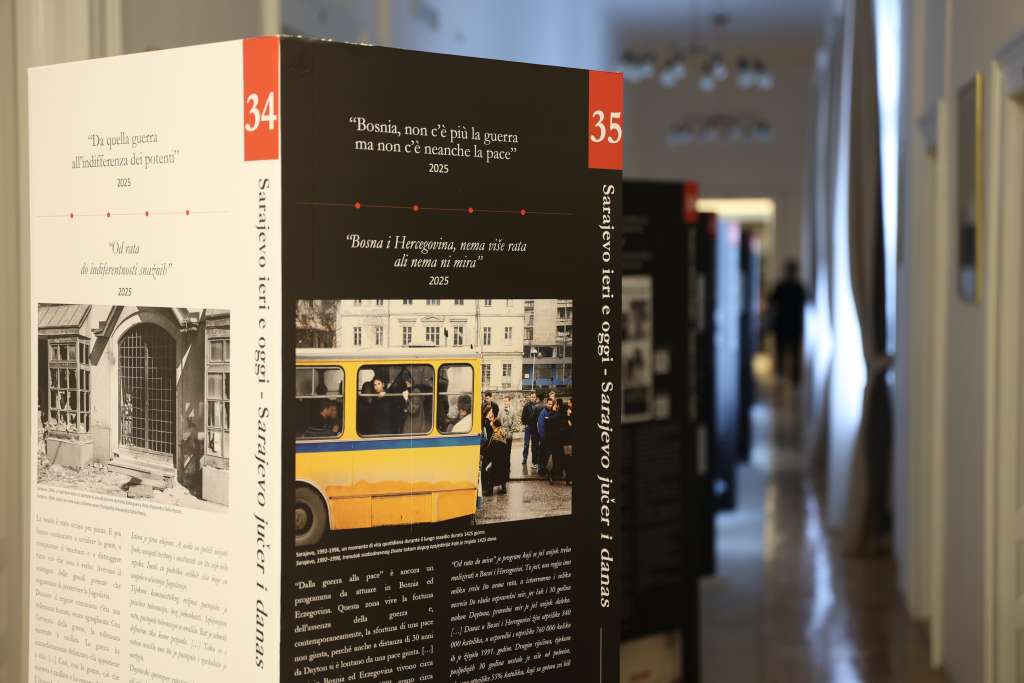
The exhibition is a testament to remembrance, solidarity, and friendship between Italy and Bosnia and Herzegovina during and after the war. Through letters written by Sarajevo schoolchildren, photographs, interviews, and multimedia content, it offers visitors an insight into the experiences of children who grew up under siege, highlighting the importance of remembrance, mutual understanding, and the building of lasting peace.
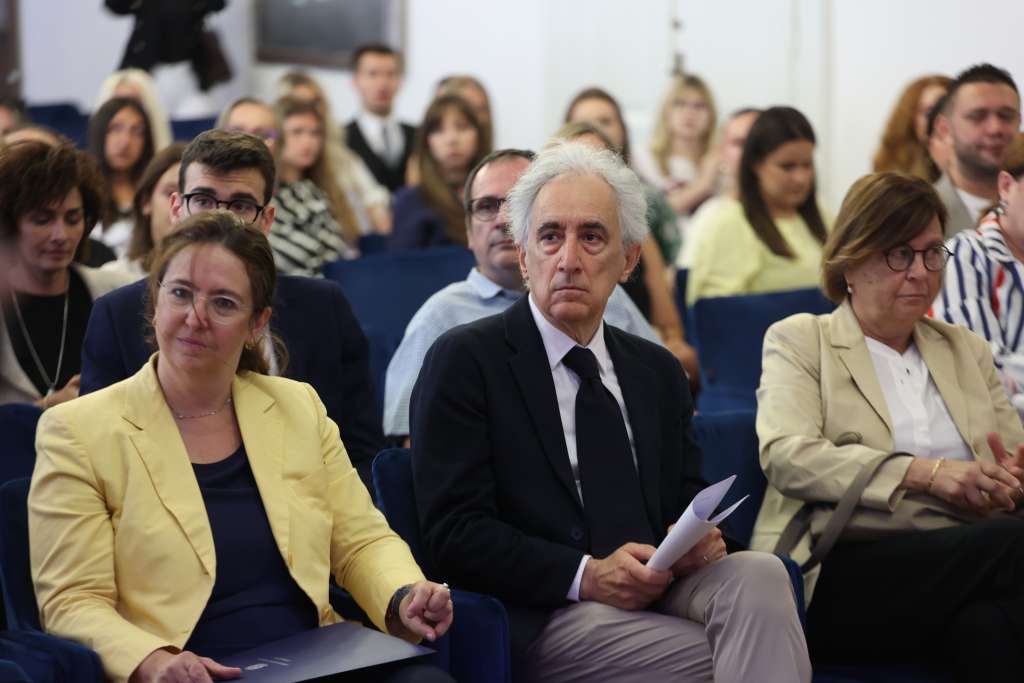
The exhibition was opened by its author, together with the University of Sarajevo Vice-Rector for International Cooperation Kemal Durić and Italian Ambassador to Bosnia and Herzegovina Sarah Eti Castellani.
Duric stressed that war leaves behind not only destroyed cities but also deep scars on people.
"Those who have lived through war know that it brings not only physical destruction but also profound psychological consequences. That is why the letters written by children at the time have enormous symbolic as well as real value. They represented a form of support, hope, and connection during those difficult years," Duric said.
He added that the University of Sarajevo accepted without hesitation to host the exhibition because, in addition to being a valuable historical record, it conveys a powerful message of peace.
"Beyond its documentary value, what we recognized was the importance of the peace initiative at the heart of the entire project. Based on its own experience and everything its students, professors, and the citizens of Sarajevo endured, the University of Sarajevo feels a responsibility to actively promote a culture of peace and the values it represents," Duric said.
Giuliano recalled that he first came to Sarajevo in 1995 as a war correspondent.
"At the time, our task as journalists was to report how many shells had fallen on the city and how many people had been killed. However, while spending time at the Catholic School Centre, I met the students and came up with the idea of telling the story of the war through their voices, through their letters. I wanted to present Sarajevo's experience differently, through the words of children," Giuliano said.
The students' letters were published in the Italian newspaper La Gazzetta del Mezzogiorno, where Giuliano worked at the time, allowing the Italian public to learn not only about wartime statistics but also about the emotional reality of children's lives in besieged Sarajevo.
For three decades, the letters remained preserved in his desk drawer. Only after retiring did Giuliano decide to revisit them and publish them in a book, which brings together the children's letters in Italian and Croatian, along with interviews and testimonies collected during the war.
Thirty years later, Giuliano tracked down five women who, as students at the Catholic School Centre's Secondary Medical School, had written those letters. Their stories now form an integral part of the exhibition, and visitors can watch and listen to their testimonies by scanning QR codes.
FENA
FENA
FENA
FENA
FENA
FENA
FENA
Speaking about the origins of the exhibition, Giuliano said the idea first emerged in 2017, at a time when the world had not yet been confronted with the current wars in Ukraine and Gaza.
"I wanted these testimonies not to remain locked away in a drawer, but to serve as a lasting reminder that what happened in Sarajevo must never happen again, anywhere. Unfortunately, today we continue to witness wars around the world," Giuliano said.
He particularly stressed that the exhibition should serve as a warning to present and future generations.
The exhibition Sarajevo – From War to Peace: Thirty Years Later stands as testimony that, despite the horrors of war, children's voices preserved their faith in life. Today, their letters carry a universal message that remembrance must be safeguarded so that the future can be more peaceful than the past.
Kakvo je tvoje mišljenje o ovome?
Učestvuj u diskusiji ili pročitaj komentare


Kakvo je tvoje mišljenje o ovome?
Učestvuj u diskusiji ili pročitaj komentare