

 Srbija
 Hrvatska
 Slovenija


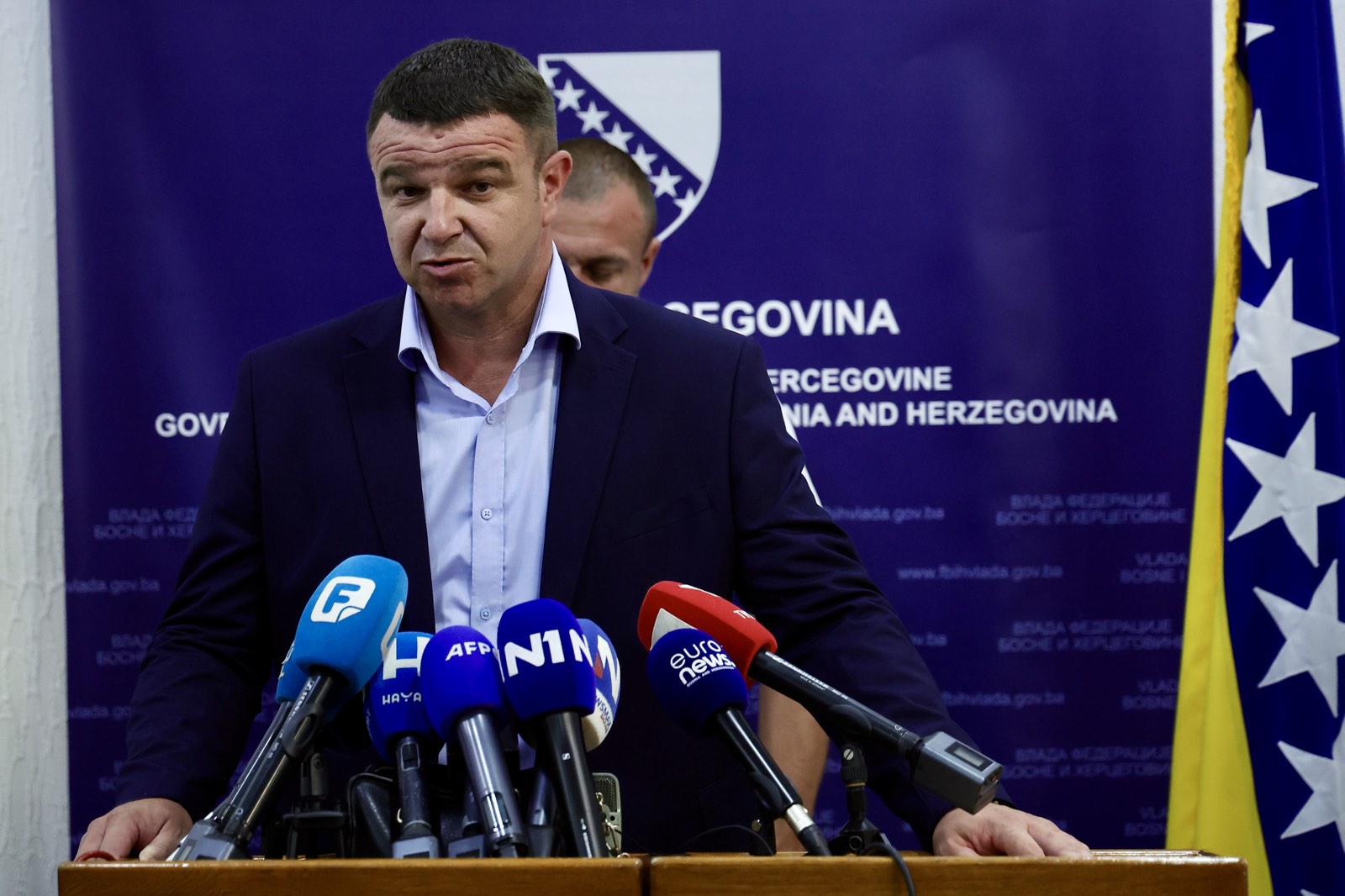
Sanel Buljubasic, General Director of Elektroprivreda Bosne i Hercegovine (EPBiH), has warned of significant challenges in coal supply for thermal power plants. He revealed that in the first six months of 2025, coal deliveries reached only 73 percent of contracted volumes, while coal stripping (removal of overburden to access coal) stood at 46 percent of the planned target.
Buljubasic emphasised that the energy system in the Federation of BiH heavily depends on thermal power plants, generating about 80 percent of electricity, with hydroelectric plants contributing around 20 percent. Therefore, increasing coal production and improving working conditions in mines remain crucial.
At the start of 2024, the Federation entity’s government increased coal prices and signed a new collective agreement in the mining sector, showing a commitment to better working conditions and miners’ status. Buljubasic expects mines within the EPBiH Group to proactively meet their coal supply obligations, as EPBiH will fulfil its commitments only if mines do the same.
The largest production issues are currently in Breza and Djurdjevik mines, while Kreka mine has achieved its best results in the past three years. Kreka, Kakanj, and Abid Lolic mines are reporting recovery and production increases compared to previous periods, with Gracanica mine operating as planned. Coal deliveries to thermal power plants are expected to be maximised by year-end.
The EPBiH Group employs 4,967 workers, including 1,226 disabled workers, with daily absences ranging between 1,500 and 1,700 due to various reasons like vacations and sick leave.
Buljubasic noted that the mines entered the Group burdened with a debt of 36 million Bosnian marks, which has since risen to 1.2 billion mines (approximately €613 million). This ongoing debt negatively affects EPBiH’s operations. Restructuring efforts include layoffs, mine closures, recapitalisation, and equipment modernisation to increase productivity, especially in surface coal extraction.
Decades of delayed coal stripping have led to a backlog of 128 million cubic meters from 2010 to mid-2025, severely complicating mining operations.
A just transition project in selected coal-rich regions of BiH, worth around 160 million marks (approximately €82 million), is being implemented with World Bank credit funds. These funds will support mine closures, employee resettlement, land rehabilitation, and construction of photovoltaic power plants in Dubrave (12.2 MW) and Banovici (15 MW).
The Federation Ministry of Energy, Mining and Industry, EPBiH, and Zenica mine are working on BiH’s first law on mine closure, addressing employee resettlement and financial obligations.
Buljubasic stressed that while transitioning to renewable energy sources is vital, EPBiH must maintain full capacity coal-based electricity production to ensure energy stability in the Federation of BiH, while developing new base-load capacity for the future.
╰┈➤ Program N1 televizije možete pratiti UŽIVO na ovom linku kao i putem aplikacija za Android /iPhone/iPad
Kakvo je tvoje mišljenje o ovome?
Učestvuj u diskusiji ili pročitaj komentare


Kakvo je tvoje mišljenje o ovome?
Učestvuj u diskusiji ili pročitaj komentare