

 Srbija
 Hrvatska
 Slovenija


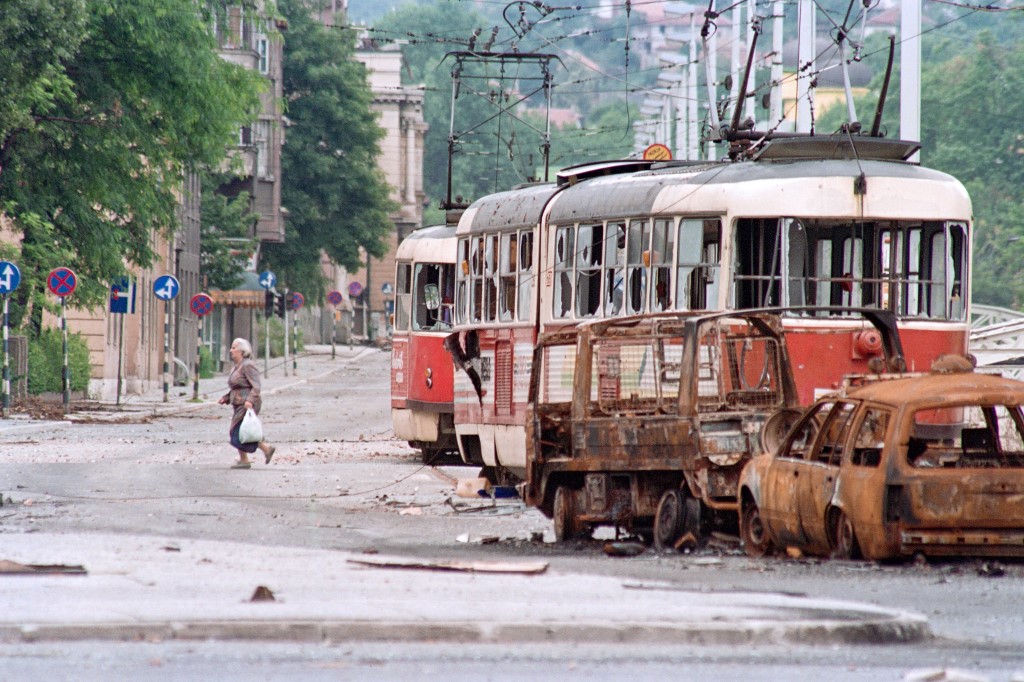
On this day, April 5, 1992, the siege of Sarajevo began, lasting until February 1996.
The capital of Bosnia and Herzegovina endured a siege lasting more than three and a half years, marked by daily shelling and constant fear.
Around 350,000 residents were exposed to continuous fire from members of the former Yugoslav People’s Army (JNA) and paramilitary formations, and later the Army of Republika Srpska (VRS), using a wide range of weapons from positions on the surrounding hills overlooking the city.
Resistance despite everything
The city did not fall thanks to those who defended it.
Ordinary citizens, responding to calls to defend Sarajevo, often initially unarmed and wearing everyday clothes, stood on the front lines. They defended not only territory, but also their families, homes and the right to live.
During the siege, 11,541 citizens of Sarajevo were killed, including more than 1,600 children.
According to post-war research, nearly four-fifths of all victims were killed in the first two years of the siege, when the violence was most intense.
The first and last victims
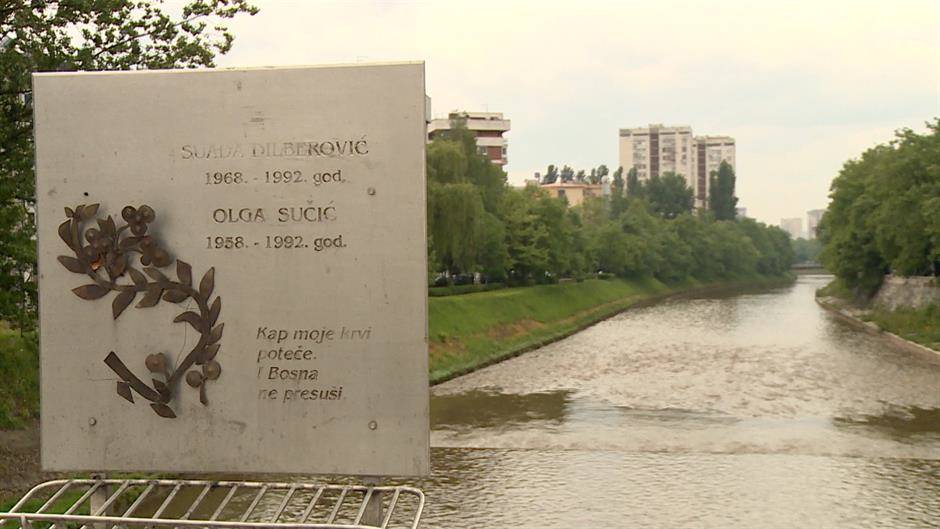
The first civilian victims were Suada Dilberović and Olga Sučić, who were killed on April 5, 1992, on the Vrbanja Bridge while participating in a peace demonstration.
The bridge today bears their names, and a memorial plaque marks the site of their deaths.
The last victim of the siege was Mirsada Durić, who was killed on January 9, 1996, in an attack on a tram on the first day service resumed after the peace agreement.
The attack was never solved. According to witness testimonies, the projectile was fired from areas that were still under Serbian control, and passengers attempting to escape were also targeted by sniper fire.
A city that was systematically destroyed
Sarajevo was targeted indiscriminately.
Streets, squares, schools, hospitals and residential buildings were repeatedly hit. Shells struck the maternity ward, the City Hall — where thousands of books were destroyed in the fire — as well as the offices of the newspaper Oslobođenje, museums, factories and schools.
The building of Radio and Television of Bosnia and Herzegovina was also targeted with modified aerial bombs weighing up to 250 kilograms. Testimonies and ballistic evidence related to these attacks were presented before the International Criminal Tribunal for the former Yugoslavia.
Life between shells
Daily life was reduced to survival.
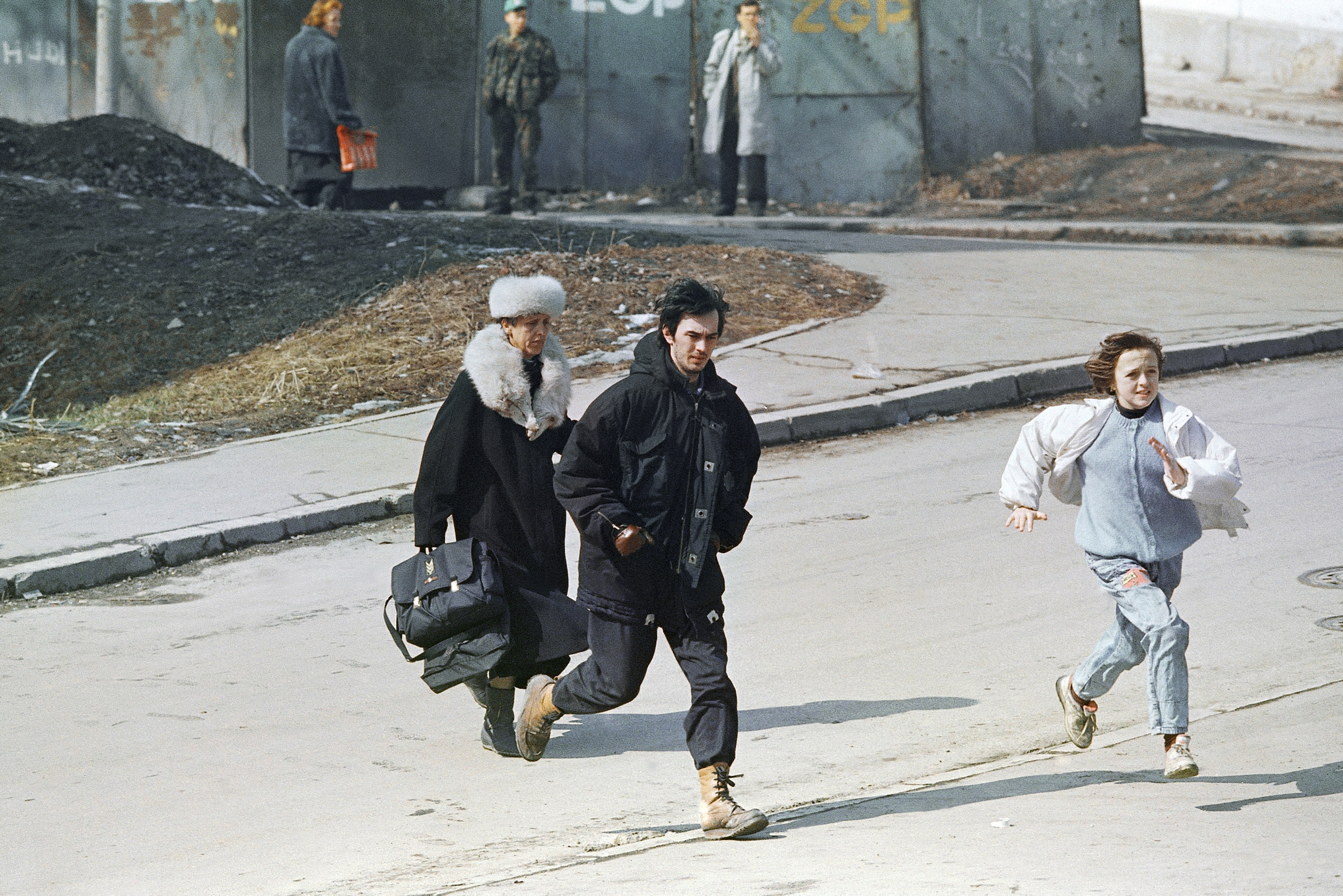
Fear was constant, but so was resilience. Residents found ways to continue living despite the siege.
In parts of the city with access to a gas network, people improvised to supply gas to apartments. When available, it was used for basic needs — heating water, preparing food and warming rooms where shattered windows had been replaced with plastic.
Massacres of civilians
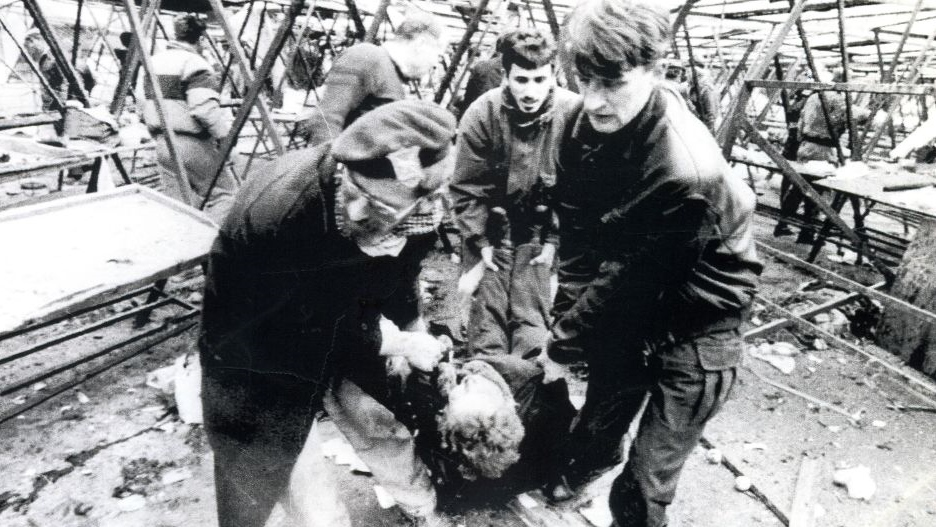
The Markale market became one of the symbols of suffering during the siege.
In the attack on February 5, 1994, 68 civilians were killed and 144 wounded. In a second massacre, on August 28, 1995, 43 people were killed and 84 wounded. The victims were targeted while trying to buy food.
Children were also among the victims.
On November 9, 1993, a grenade struck the “Prvi maj” elementary school (today “Fatima Gunic” elementary school), killing teacher Fatima Gunic and three students, while 21 people were wounded.
Civilians were killed and wounded by sniper fire at crossroads, while fetching water, and even inside their homes. Any movement through the city carried risk.
The legacy of the siege
The Siege of Sarajevo is considered the longest siege of a capital city in modern history.
It left lasting consequences for those who survived, shaping lives through trauma, loss, but also resilience and solidarity.
Verdicts for the terror against Sarajevo
The International Criminal Tribunal for the former Yugoslavia sentenced Stanislav Galic, commander of the Sarajevo-Romanija Corps of the VRS, to life imprisonment for terrorizing the citizens of Sarajevo.

His successor, Dragomir Milosevic, was sentenced to 29 years in prison.
Radovan Karadzic was sentenced to life imprisonment, among other crimes, for terrorizing civilians with sniper and artillery attacks.
Ratko Mladic was also sentenced to life imprisonment.
The verdicts established that units of the Sarajevo-Romanija Corps of the VRS deliberately targeted civilians, conducting a campaign of terror aimed at putting pressure on the authorities in Sarajevo.
Kakvo je tvoje mišljenje o ovome?
Učestvuj u diskusiji ili pročitaj komentare


Kakvo je tvoje mišljenje o ovome?
Učestvuj u diskusiji ili pročitaj komentare