


 Srbija
 Hrvatska
 Slovenija

Srebrenica Memorial Centre publishes key messages for 30th genocide anniversary


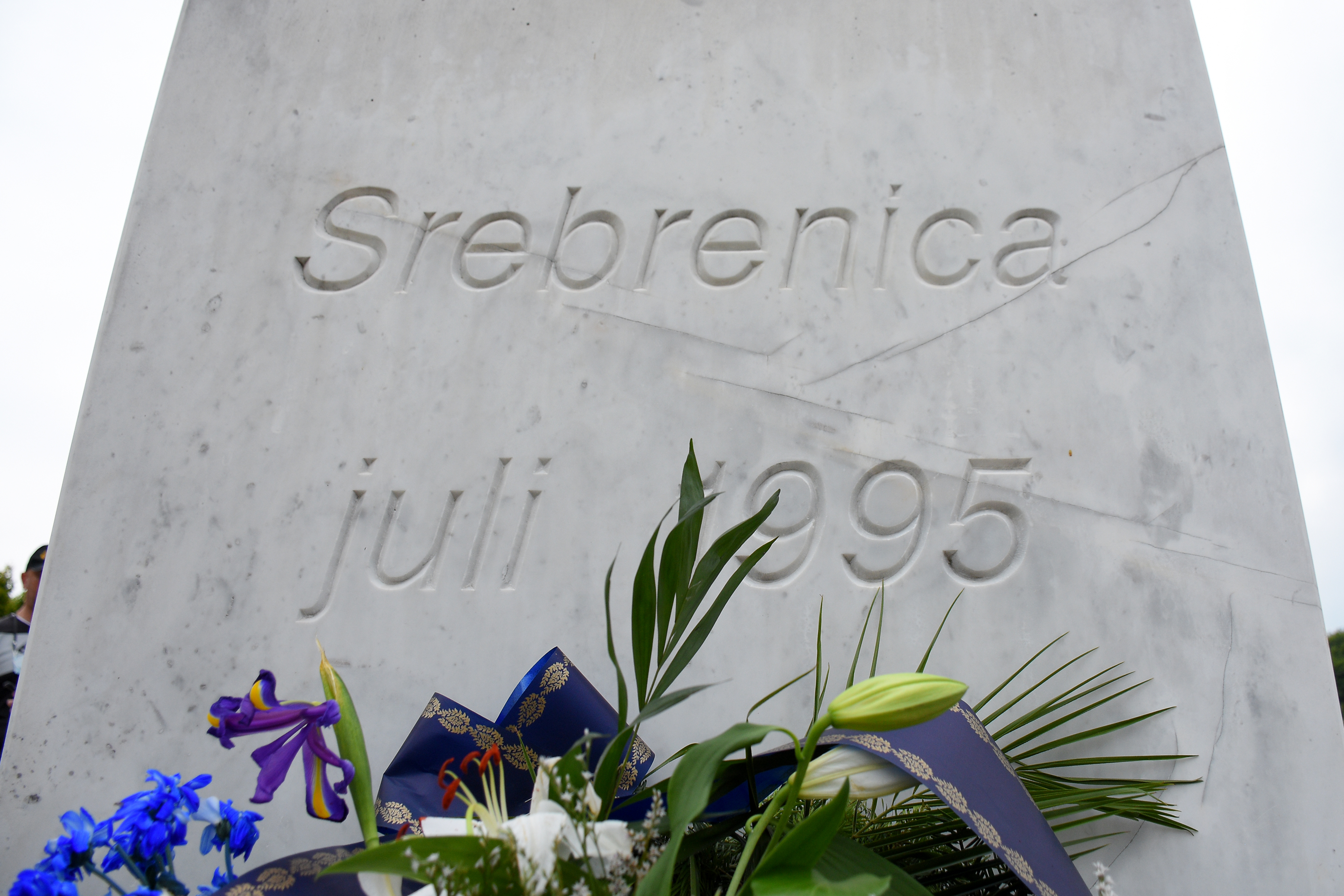
The Srebrenica Memorial Centre has released a set of key messages and facts ahead of the 30th anniversary of the 1995 genocide against Bosniaks in the UN-declared safe zone of Srebrenica. Aimed at the international public, the document reinforces historically and legally established facts, promoting education and remembrance on a global scale.
Here are the core messages:
- Legally recognised genocide: The Srebrenica genocide has been legally confirmed by the International Court of Justice (ICJ), the International Criminal Tribunal for the former Yugoslavia (ICTY), and the Court of Bosnia and Herzegovina.
- At least 8,372 victims: Victims include not only men and boys, but also women, girls, and the elderly. Reducing the narrative to just “men and boys” undermines the full scope of the genocide.
- Systematic and planned crime: The genocide was orchestrated and executed by the political and military leadership of the self-proclaimed Republika Srpska, under direct control and support from the Belgrade regime.
- Judicial outcomes: A total of 54 individuals have been convicted for crimes related to Srebrenica, receiving a combined 781 years in prison, including five life sentences.
- International armed conflict: The war in Bosnia and Herzegovina is classified as an international conflict, due to direct Serbian and Yugoslav Army (JNA) involvement in supporting Bosnian Serb forces.
- Concealment of crimes: Following the mass killings, bodies were moved to secondary and tertiary mass graves in a coordinated effort to hide evidence.
- Symbolism and message: The “Srebrenica Flower” and the slogan “Our Story, Our Promise” underscore the role of survivors as guardians of truth and memory.
- Not an isolated case: The Srebrenica genocide was the climax of a broader campaign of ethnic cleansing targeting Bosniaks across Bosnia and Herzegovina.
- Denial and discrimination persist: In Republika Srpska, institutional discrimination, genocide denial, and the glorification of war criminals remain widespread.
- UN recognition of July 11: In 2024, the UN General Assembly adopted a resolution declaring July 11 the International Day of Remembrance of the Srebrenica Genocide.
These messages form the foundation for global communication surrounding this year’s commemoration and aim to strengthen collective remembrance efforts worldwide.
Kakvo je tvoje mišljenje o ovome?
Učestvuj u diskusiji ili pročitaj komentare
Pratite nas na društvenim mrežama


Kakvo je tvoje mišljenje o ovome?
Učestvuj u diskusiji ili pročitaj komentare
Pratite nas na društvenim mrežama
NAJČITANIJE


















Najnovije











ZDRAVLJE





LIFESTYLE




SHOWBIZ





N1 KVIZ