

 Srbija
 Hrvatska
 Slovenija


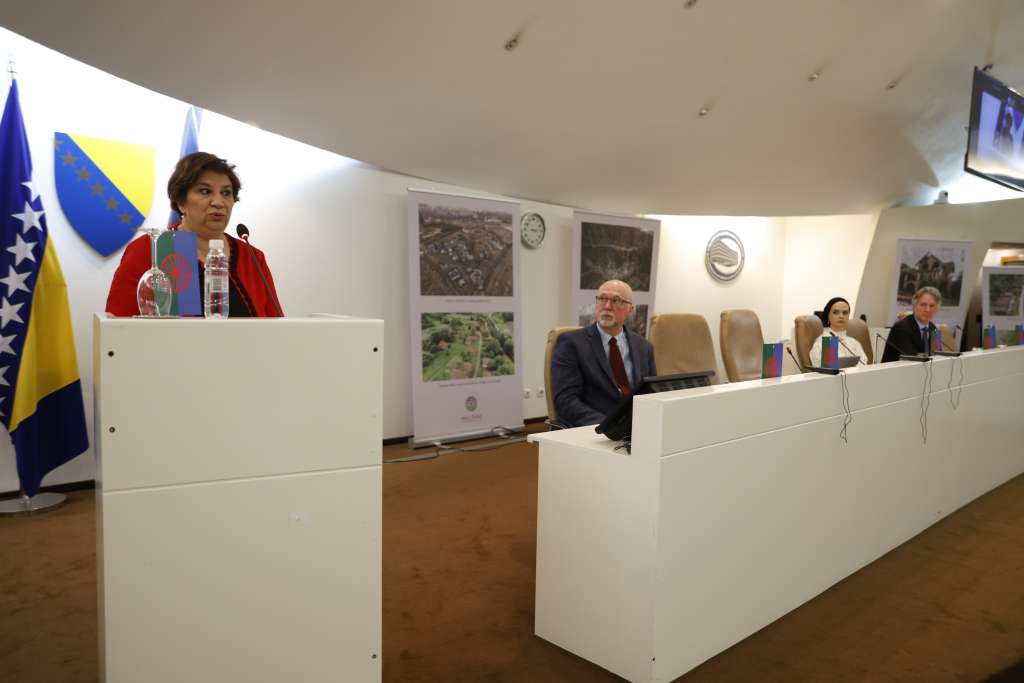
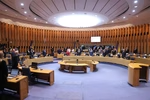
Three decades after the conflict in Bosnia and Herzegovina, the Roma community remains largely excluded from institutional memory, justice, and reparation systems. This marginalization was the focal point of a landmark conference held at the Parliamentary Assembly of Bosnia and Herzegovina titled "Truth to Justice: Thirty Years of Silence on the Suffering of Roma in the Period 1992–1995."
As part of a UK-funded project to enhance Roma participation in transitional justice, the event marked the first systematic effort to address the wartime experiences of the Roma people. Sanela Besic, Executive Director of Kali Sara – Roma Information Center, presented a report based on facts and survivor testimonies, revealing that Roma civilians were subjected to all forms of war crimes, including killings, expulsion, and displacement. Despite post-war return processes, a significant number of Roma have never returned to their original homes.
British Ambassador Julian Reilly emphasized that these experiences have been overlooked for too long, noting that survivors continue to struggle for recognition amidst persistent discrimination. Amina Kavazovic, representing the Ministry for Human Rights and Refugees, reaffirmed the state's obligation to support the establishment of historical facts as a foundation for the future.
The conference serves as an urgent call for institutions to formally recognize Roma as a victim category. Advocates stress that the path forward requires a dedicated culture of remembrance, proper memorialization, and the prosecution of those responsible for crimes against the Roma community to ensure they are no longer left behind by the judicial system.
Kakvo je tvoje mišljenje o ovome?
Učestvuj u diskusiji ili pročitaj komentare


Kakvo je tvoje mišljenje o ovome?
Učestvuj u diskusiji ili pročitaj komentare