

 Srbija
 Hrvatska
 Slovenija

War of words: Lagumdzija rebukes Serbia, Cvijanovic slams Bosnia's UN Delegation


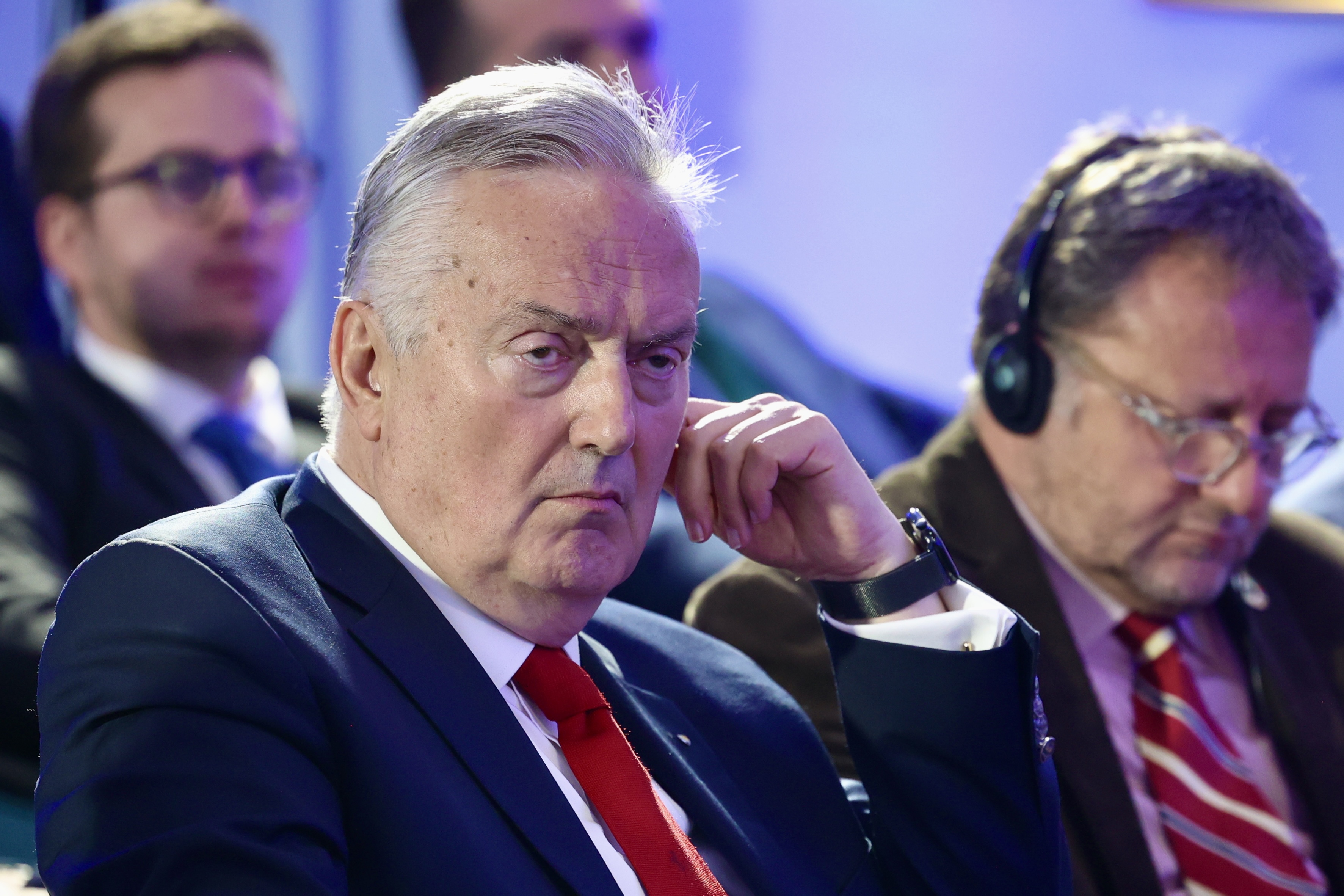
The decision of Bosnia and Herzegovina’s delegation to join numerous other countries in walking out of the United Nations General Assembly during the speech of Israeli Prime Minister Benjamin Netanyahu has triggered a storm of political and diplomatic reactions—both within Bosnia and Herzegovina and from neighboring Serbia.
Netanyahu, who faces an arrest warrant from the International Court of Justice in The Hague on charges of crimes against humanity, spoke before the UNGA last week. Bosnia and Herzegovina’s delegation, led by Ambassador Zlatko Lagumdzija, chose to leave the hall in protest alongside many other delegations.
Serbia’sreaction and Lagumdzija’s Response
The Ministry of Foreign Affairs of Serbia sharply criticized Lagumdzija, accusing him of pursuing “a unilateral approach, which does not reflect the positions of the collective institutions of Bosnia and Herzegovina, [and] undermines the spirit of cooperation and dialogue in the region.”
Lagumdzija fired back, dismissing Serbia’s stance as interference in Bosnia’s sovereignty. "Lying does not change the past, and even less does it help create a better future," he said, adding that Serbia’s statement was "an excellent example of Serbia’s demonstration exercise in training the ambassador of another sovereign state to be strict by directly applying the 'declaration of the All-Serb assembly'.” He further accused Belgrade of persisting in genocide denial, warning that such politics had led Serbia into “a deep historical impasse.”
Internal disputes in Bosnia and Herzegovina
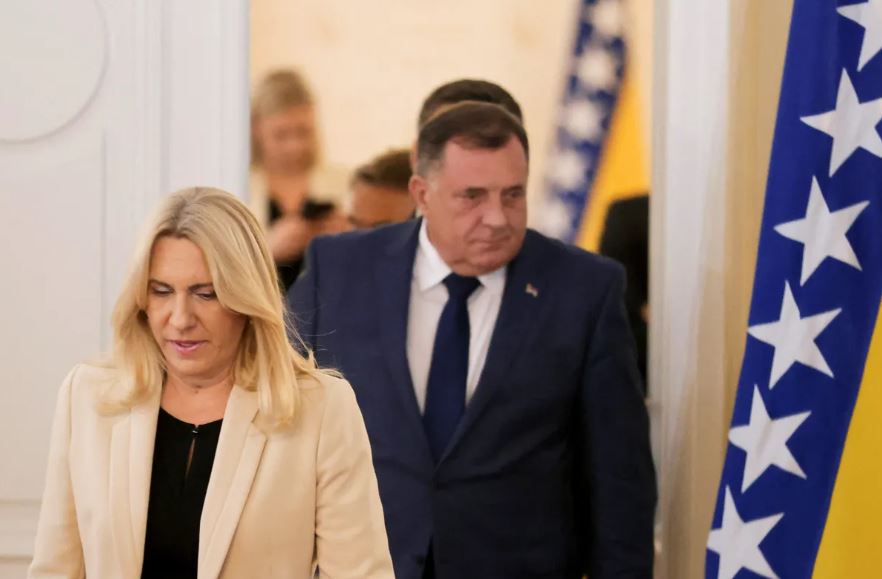
At home, the move also provoked sharp divisions within the country’s political leadership. Bosnia Presidency member Zeljka Cvijanovic condemned the delegation’s walkout, calling it a "unilateral move by the renegade embassy" that "represents only Bosniaks." Cvijanovic, who is the Serb member of the Presidency, questioned “who authorized the Bosnia Embassy to the UN to have its delegation leave the UN General Assembly hall” and argued that ambassador Lagumdzija had "long ceased to represent Republika Srpska (one of two Bosnia's entities where she was elected to the State Presidency), which makes up 49% of the territory of BiH."
Cvijanovic insisted that foreign policy decisions fall under the exclusive authority of the Presidency, accusing the ambassador of overstepping his mandate and disrespecting constitutional order.
BiH Ministry of Foreign Affairs hits back
The Ministry of Foreign Affairs of Bosnia and Herzegovina strongly rejected Serbia’s involvement in the controversy, branding its comments as “open and impermissible interference in the internal affairs of a sovereign state.” The ministry dismissed terms such as “collective institutions of BiH” as legally unfounded, stressing that the Constitution recognizes only state institutions.
It also reminded Belgrade that the BiH Presidency has three equal members—Zeljko Komsic, Denis Becirovic, and Zeljka Cvijanovic—while underlining that the MFA is constitutionally empowered to act when consensus cannot be reached on foreign policy issues.
Furthermore, the ministry accused Cvijanovic and Milorad Dodik - now former president of the RS entity, of instructing diplomats from Republika Srpska to lobby exclusively in line with their own political interests, in violation of the state constitution. It linked Serbia’s reaction to its continued frustration over the UN’s adoption of Resolution A/RES/78/282, which established July 11 as the International Day of Reflection and Commemoration of the Srebrenica Genocide.
“Even an emotional reaction to this success cannot be an excuse for violating diplomatic norms and interfering in the internal affairs of a sovereign state,” the ministry stated.
Kakvo je tvoje mišljenje o ovome?
Učestvuj u diskusiji ili pročitaj komentare


Kakvo je tvoje mišljenje o ovome?
Učestvuj u diskusiji ili pročitaj komentare
NAJČITANIJE








Najnovije




ZDRAVLJE




LIFESTYLE



SHOWBIZ


N1 KVIZ