

 Srbija
 Hrvatska
 Slovenija

Venezuelan activist in exile for N1: We have lived under dictatorship for 27 years – if oil is the price of freedom, we are ready to negotiate


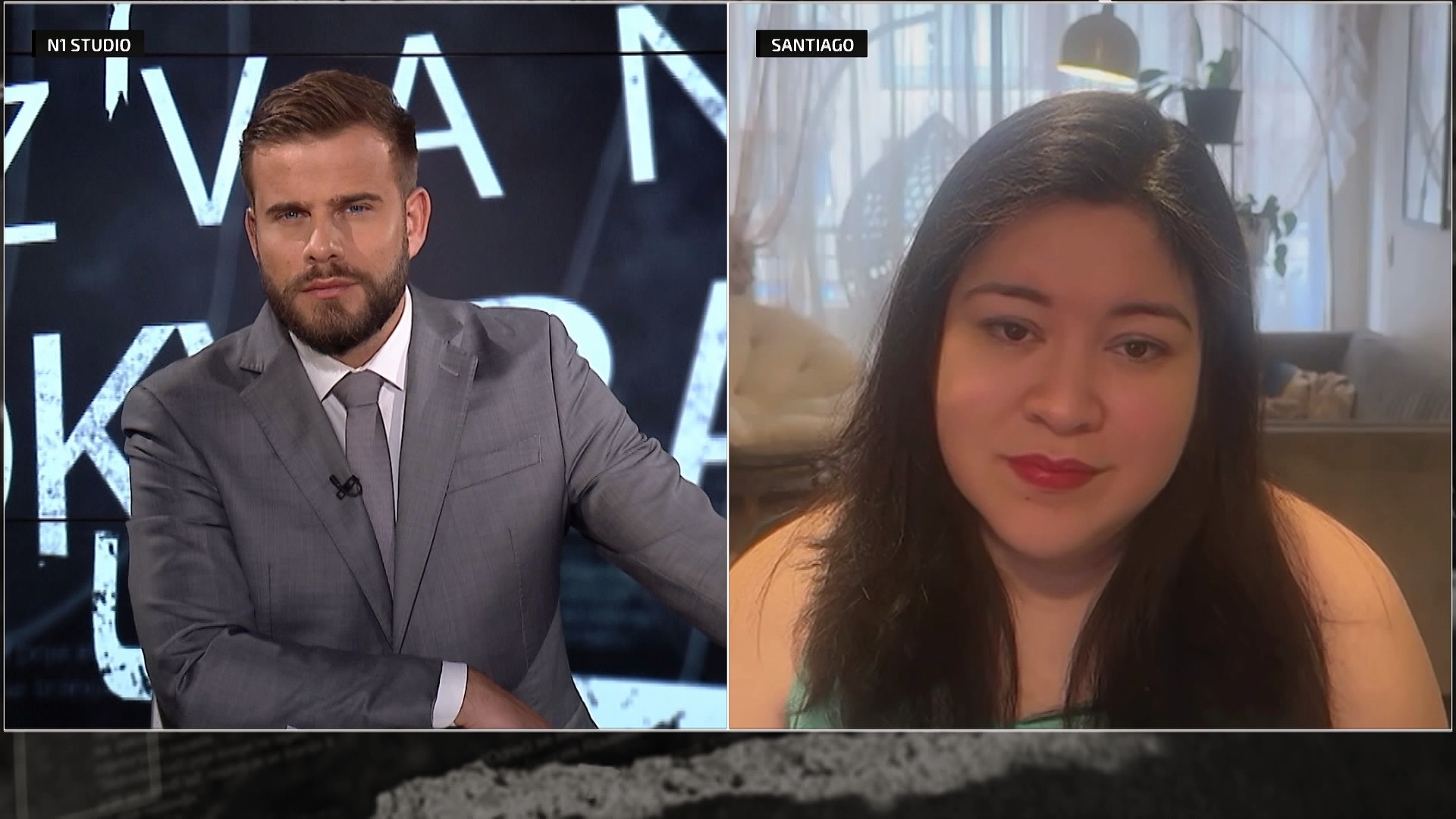
“We have lived under a dictatorship for 27 years,” Venezuelan human rights activist, writer and researcher Marianne Díaz Hernández told N1 in an exclusive interview from exile in Chile, stressing that all institutional and electoral attempts to change power in Venezuela have been systematically blocked for years.
Speaking to N1, Díaz Hernández said that while the arrest of Nicolás Maduro would be illegal from the perspective of international law, Venezuelans today live in a reality in which the law has long been applied selectively. She emphasised that Venezuela does not want a U.S. occupation, but has been functioning under a dictatorship for nearly three decades, with all democratic and institutional mechanisms exhausted and accountability for violence and repression remaining absent.
“I am a lawyer and I do not support illegal actions. But I have come to terms with the fact that we live in enormous contradictions. We tried to change things through elections twice, we won, and nothing changed,” she said.
Oil, geopolitics and desperation
Commenting on the role of the United States, Díaz Hernández noted that Venezuelans have no illusions.
“For years we have been exposed to everything precisely because of oil. If oil is the means to fight for our freedom, then we are ready to negotiate. And I am not speaking only for myself,” she said.
She added that Venezuela does not want American occupation, but is trapped in a situation with no clear way out.
“This is an illegal arrest. It is illegal to enter the territory of another country and abduct a head of state. But it is also illegal that a murderer and dictator has been doing what he has done for all these years,” Díaz Hernández said.
She stressed that Venezuelans have exhausted every available option. According to her, the opposition repeatedly reached out to the international community and presented evidence of electoral manipulation and repression.
“The whole world said we won the elections – and what happened? Nothing. Maduro simply prevented our candidate from taking power,” she said.
Media under total state control
Díaz Hernández warned that Venezuela has had no free public media for at least a decade.
“Media outlets such as national television broadcast content under strict control. Everything you see on TV is in the hands of the government,” she said.
According to her, a small number of independent media outlets survive exclusively online, but under constant pressure.
“They face permanent blockades, newsroom raids and the theft of equipment. Some journalists are still in prison,” she said.
Despite the repression, Díaz Hernández expressed deep respect for Venezuelan journalists.
“I truly value journalists in Venezuela. Despite everything, they use every possible tool to continue working. They are incredibly resourceful and brave,” she said.
She concluded that the international community has long been aware of the situation in Venezuela, but without tangible results.
“We contacted the international community, presented evidence, but Maduro simply blocked any democratic outcome. We went through extremely difficult times and tried everything we could,” Díaz Hernández told N1.
Who is Marianne Díaz Hernández?
Marianne Díaz Hernández is a Venezuelan human rights activist, writer and researcher, trained as a lawyer, who today lives in exile in Chile due to political circumstances in her home country. For years, she has documented human rights violations, restrictions on media freedom and institutional repression in Venezuela.
Kakvo je tvoje mišljenje o ovome?
Učestvuj u diskusiji ili pročitaj komentare


Kakvo je tvoje mišljenje o ovome?
Učestvuj u diskusiji ili pročitaj komentare