Srbija
 Hrvatska
 Slovenija

As Italy investigated ‘Sarajevo Safari’ allegations, Bosnian prosecutors ordered investigation into documentary filmmaker


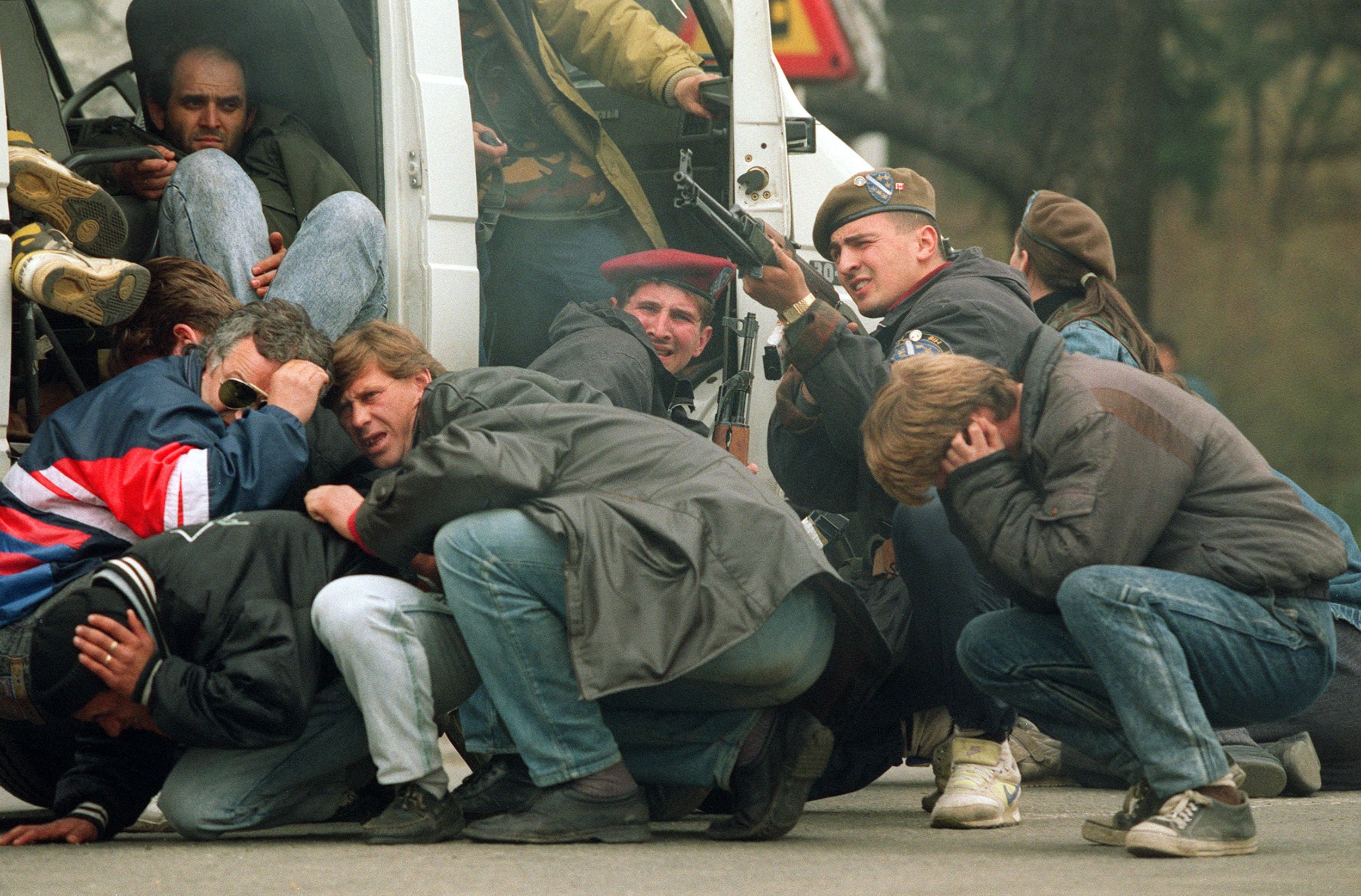
As Italian judicial authorities gather new testimony concerning allegations that foreign nationals paid to shoot civilians during the siege of Sarajevo, documents from the Prosecutor's Office of Bosnia and Herzegovina obtained by N1 reveal another dimension of the case.
On December 16, 2025, Bosnian prosecutors issued an order to investigate Slovenian filmmaker Miran Zupanic, director of the documentary Sarajevo Safari, on suspicion of inciting national, racial and religious hatred, discord and intolerance.
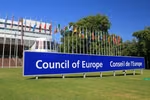
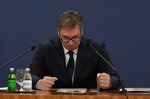
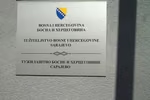
The order was issued just weeks after prosecutors in Milan opened an investigation in November 2025 into allegations presented in Zupanic's documentary.
The documents were provided to N1 by Edin Subasic, a former member of Bosnia and Herzegovina's intelligence service who has previously spoken publicly about his knowledge of organised visits by foreign nationals to Sarajevo during the siege.
Among the documents is a notification issued by the Prosecutor's Office in May 2024, stating that it had decided not to open an investigation into Al Jazeera Balkans on suspicion of the same criminal offence. According to Subasic, that case also concerned the documentary Sarajevo Safari.
What does the investigation order say?
The order, signed by prosecutor Biljana Golijanin under case number T20 0 KT 0023654 25, states that there are grounds to suspect that Zupanic, as the filmmaker behind the documentary screened at the AJB DOC film festival in September 2022, disseminated material that he allegedly knew was not based on verified information and facts.
The document states that the facts and allegations presented in the film “have neither been verified nor proven in relevant criminal proceedings or final court judgments”.
It sets out suspicions that the filmmaker thereby knowingly incited national, racial or religious hatred, discord or intolerance among Bosnia and Herzegovina's constituent peoples.
The order identifies a letter from the Ilidzanski Borac municipal veterans' association in East Ilidza, signed by its president, Goran Sehovac, as the basis for the suspicion.
The prosecutor instructed that Zupanic be questioned as a suspect about the circumstances surrounding the screening of the documentary and that any other investigative measures deemed necessary be undertaken.
The order does not identify any other source of suspicion beyond the letter submitted by the veterans' association.
“It is evident that the grounds for the investigation are very ‘thin’,” Subasic wrote in an opinion piece published by the Radiosarajevo.ba news portal.
He particularly challenges the reference to the absence of final court judgments, arguing that the lack of judicially established facts cannot preclude investigations into potential war crimes or the production of documentaries about them.
Prosecutors declined to investigate Al Jazeera Balkans in 2024
Nineteen months earlier, the Prosecutor's Office of Bosnia and Herzegovina reached a different decision in a separate case which, according to Subasic, also concerned the documentary Sarajevo Safari.
A notification addressed to Al Jazeera Balkans on May 14, 2024, and signed by prosecutor Gordana Bosiljcic, stated that a decision had been taken not to open an investigation into the suspected criminal offence of inciting national, racial and religious hatred, discord and intolerance.
The reason given for the decision was that “there are no grounds to suspect that you committed the aforementioned criminal offence”.
According to Subasic, the case was opened after East Sarajevo Mayor Ljubisa Cosic filed a criminal complaint against Al Jazeera Balkans, Slovenian production company Arsmedia and individuals involved in the production of the documentary.
Subasic: Coincidence or connection?
Subasic draws particular attention to the chronology of events.
After Italian writer and publicist Ezio Gavazzeni presented his findings to prosecutors in Milan, Italian judicial authorities opened an investigation in November 2025.
The following month, Bosnian prosecutors issued an order to investigate the director of the documentary that had prompted Gavazzeni's research.
“Coincidence or connection?” Subasic asks.
He argues that the information gathered in Italy raises further questions about the justification for investigating the Slovenian filmmaker.
In his commentary, Subasic also questions the position in which Zupanic has been placed, arguing that the filmmaker is effectively being treated as a whistleblower whom others seek to silence, rather than having attention directed towards investigating the alleged crimes.
The documents available to N1 do not establish whether there is any direct connection between the opening of the Italian investigation and the decision by Bosnian prosecutors to investigate Zupanic.
New witness testimony in Italy
Meanwhile, Italian media continue to report on new witness testimony related to the Sarajevo Safari case.
As N1 reported on Saturday, an Italian priest who delivered letters to residents of besieged Sarajevo in 1993 told lawyers representing the City of Sarajevo that he had spoken to a man who said he had agreed to work as a sniper in exchange for money.
According to the Italian daily La Repubblica, investigators in Milan intend to summon the priest for questioning, while the newspaper Il Giorno has published additional excerpts from his testimony.
Milan investigators are also seeking wartime intelligence reports that could help establish what Italian authorities knew at the time about allegations involving foreign snipers in Sarajevo.
In November 2025, Subasic told La Repubblica that he had informed Italy's then-military intelligence service, SISMI, about the allegations in early 1994.
According to his account, the Italian authorities managed to stop the trips but did not disclose the identities of those involved to their Bosnian counterparts.
Subasic maintains that Zupanic's documentary played a crucial role in prompting further investigations, even though not all the details that subsequently emerged were known when the film was produced.
What is happening with Bosnia's war crimes investigation?
On November 13, 2025, the Prosecutor's Office of Bosnia and Herzegovina confirmed to N1 that a case concerning the Sarajevo Safari allegations had been opened in 2022 following a criminal complaint filed by then-Sarajevo Mayor Benjamina Karic.
At the time, prosecutors said the case was ongoing, that no prosecutorial decision had been reached and that Italian judicial authorities had not contacted them regarding the matter.
In February 2026, the Prosecutor's Office confirmed to the Federal News Agency (FENA) that the case was being handled by its Special Department for War Crimes and that investigative measures were being undertaken on the instructions of prosecutors.
It also said that it had sent correspondence to Italian prosecutors in late 2025 and contacted the International Residual Mechanism for Criminal Tribunals in The Hague to verify the allegations.
Subasic criticises the lack of publicly available information about concrete progress in the Bosnian case, particularly in comparison with the information emerging from the Italian investigation.
“Why, then, investigate the filmmaker?” Subasic asks.
The documents obtained by N1 do not establish whether Zupanic has since been questioned as a suspect or what stage the proceedings against him have reached.
Kakvo je tvoje mišljenje o ovome?
Učestvuj u diskusiji ili pročitaj komentare


Kakvo je tvoje mišljenje o ovome?
Učestvuj u diskusiji ili pročitaj komentare