

 Srbija
 Hrvatska
 Slovenija

Bijeljina Prosecution investigating ‘list of living Srebrenica genocide victims’


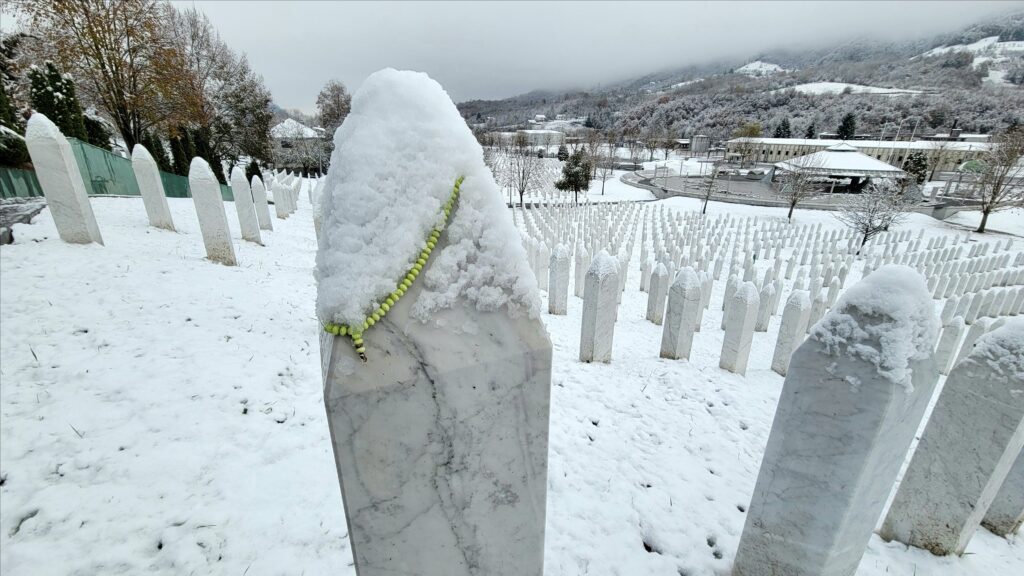
For over six months, the Bijeljina Prosecutor's Office has been investigating claims regarding a list of "living Srebrenica genocide residents" published by SRNA news agency. The list, released ahead of the 29th anniversary of the Srebrenica genocide, alleged that some individuals named on the Srebrenica Memorial Center’s commemorative wall were still alive. Despite the investigation, the personal details of these individuals continue to circulate on social media platforms, including TikTok.
One individual named on SRNA’s list, Azem (Ibrahim) Osmanović from the village of Hajderovići near Zavidovici, was confirmed by his family to have never been in Srebrenica during the war. His son, Aldin Osmanovic, called the publication a manipulation and a misuse of his father’s personal information. Azem Osmanović passed away in 2021.
The controversy has drawn attention to discrepancies in records of those missing or killed during the genocide, which claimed over 7,000 lives in July 1995. Detektor, an investigative media outlet, confirmed that names on the SRNA list do not match those buried at the Srebrenica Memorial Center. The publication has further fueled genocide denial narratives, with social media accounts like "Srpski Ozren" using the list to spread hate speech and incite violence.
The Srebrenica Memorial Center and the Red Cross compiled the names on the wall in 2005, based on reports from victims’ families, international organizations, and official records. Since then, some discrepancies have been noted, as survivors’ names were initially included due to incomplete data during the immediate post-war period.
Bekir Husejinovic, a survivor of the genocide now living in France, found his personal information shared by SRNA. His brother Ramiz, who perished in the genocide, was among those reported missing in 1995. Husejinovic expressed frustration at efforts to manipulate and deny the events in Srebrenica, emphasizing the personal pain such actions cause to survivors and victims’ families.
Experts at the Srebrenica Memorial Center, like Edin Ikanovic, denounce the list as a tool for manipulating historical facts. Ikanovic highlighted that all victims buried at the centre were identified through rigorous procedures, adding that similar accusations against the Memorial Center are baseless.
While Bosnian authorities continue their investigation, the lack of accountability for genocide denial and data misuse remains a significant challenge. The case underscores ongoing efforts by some groups to undermine established facts about the Srebrenica genocide, despite multiple rulings by international courts affirming its occurrence.
Kakvo je tvoje mišljenje o ovome?
Učestvuj u diskusiji ili pročitaj komentare


Kakvo je tvoje mišljenje o ovome?
Učestvuj u diskusiji ili pročitaj komentare