

 Srbija
 Hrvatska
 Slovenija

Germany allows dual citizenship, Bosnia still stalls: 30,000 people still without passports


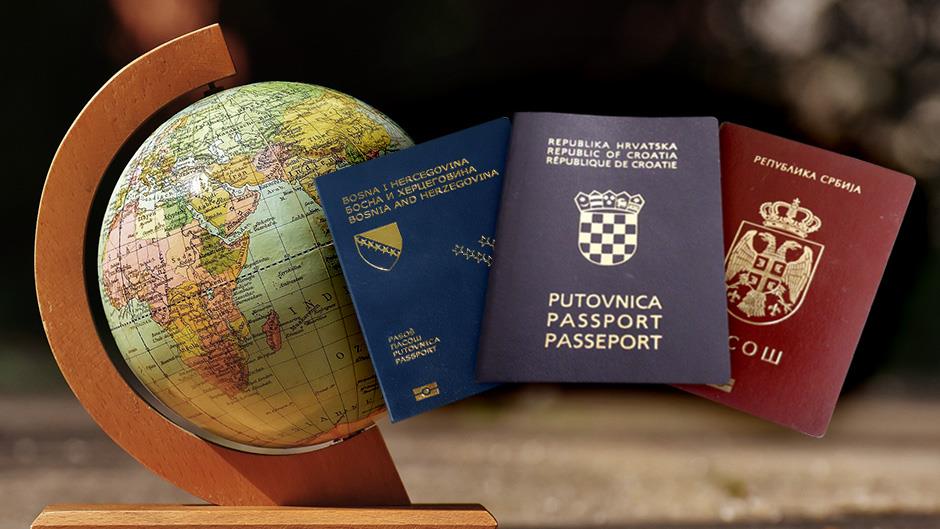
For years, thousands of Bosnians have left their country in search of better opportunities abroad. Many were forced to renounce their Bosnian citizenship — most often to obtain German passports. But while Germany has now legalized dual citizenship, Bosnia and Herzegovina has yet to sign an agreement with Berlin. For more than 30,000 people, this means they still cannot reclaim their Bosnian citizenship.
Over 100,000 Bosnians have given up their passports in recent decades, mainly to acquire citizenship in Germany, Austria, or Slovenia. Since the start of this year alone, 597 former citizens have officially renounced their Bosnian nationality.
One of them, 27-year-old Adem Rizvanovic, has been living and working as a medical technician in Germany for eight years. He only recently decided to apply for German citizenship, encouraged by the new dual nationality law — but says he is disheartened by Bosnia’s inaction.
“By refusing this agreement, Bosnia is sending a message that it does not want to welcome back those who left. It is crucial to resolve this issue, because it matters both for Bosnia and for those of us abroad who still want to belong,” Rizvanovic told local media.
Bosnia’s House of Representatives approved an initiative to sign a dual citizenship deal last year, but the process was blocked in the Council of Ministers by SNSD representatives. A simple signature or legal amendment would allow the 30,000 people who gave up their passports — paying the €400 renunciation fee — to regain them. At present, Bosnia has such agreements only with Serbia, Croatia, and Sweden.
Germany has already done its part: citizenship renunciations there have dropped to a minimum since the reform came into effect. In contrast, Bosnia continues to stall for political reasons.
German Minister for Europe Anna Lührmann said:
“In recent years we have reformed our system so it is easier to obtain German citizenship and hold two passports. The contribution of people from Bosnia and Herzegovina to our society is clear.”
Bosnia’s ambassador in Berlin, Damir Arnaut, confirmed that hardly anyone now renounces their Bosnian passport to obtain German nationality:
“Today, the very few cases we see are only for security-related jobs that require it. For citizenship alone, there are almost no such requests anymore, because Germany now allows dual nationality.”
Activists and diaspora communities argue that Bosnia must make resolving this issue a priority — not only for symbolic reasons, but also for the economy.
“This wouldn’t necessarily mean people would return,” said activist Slobodan Blagovcanin. “But it would ensure that those who left remain connected to Bosnia. The diaspora is already one of the country’s biggest sources of income, a vital part of our economy.”
For now, though, while Germany opens its doors, Bosnia and Herzegovina keeps them shut. For tens of thousands of former citizens eager to reclaim their passports, dual nationality remains a dream deferred.
Kakvo je tvoje mišljenje o ovome?
Učestvuj u diskusiji ili pročitaj komentare


Kakvo je tvoje mišljenje o ovome?
Učestvuj u diskusiji ili pročitaj komentare