

 Srbija
 Hrvatska
 Slovenija


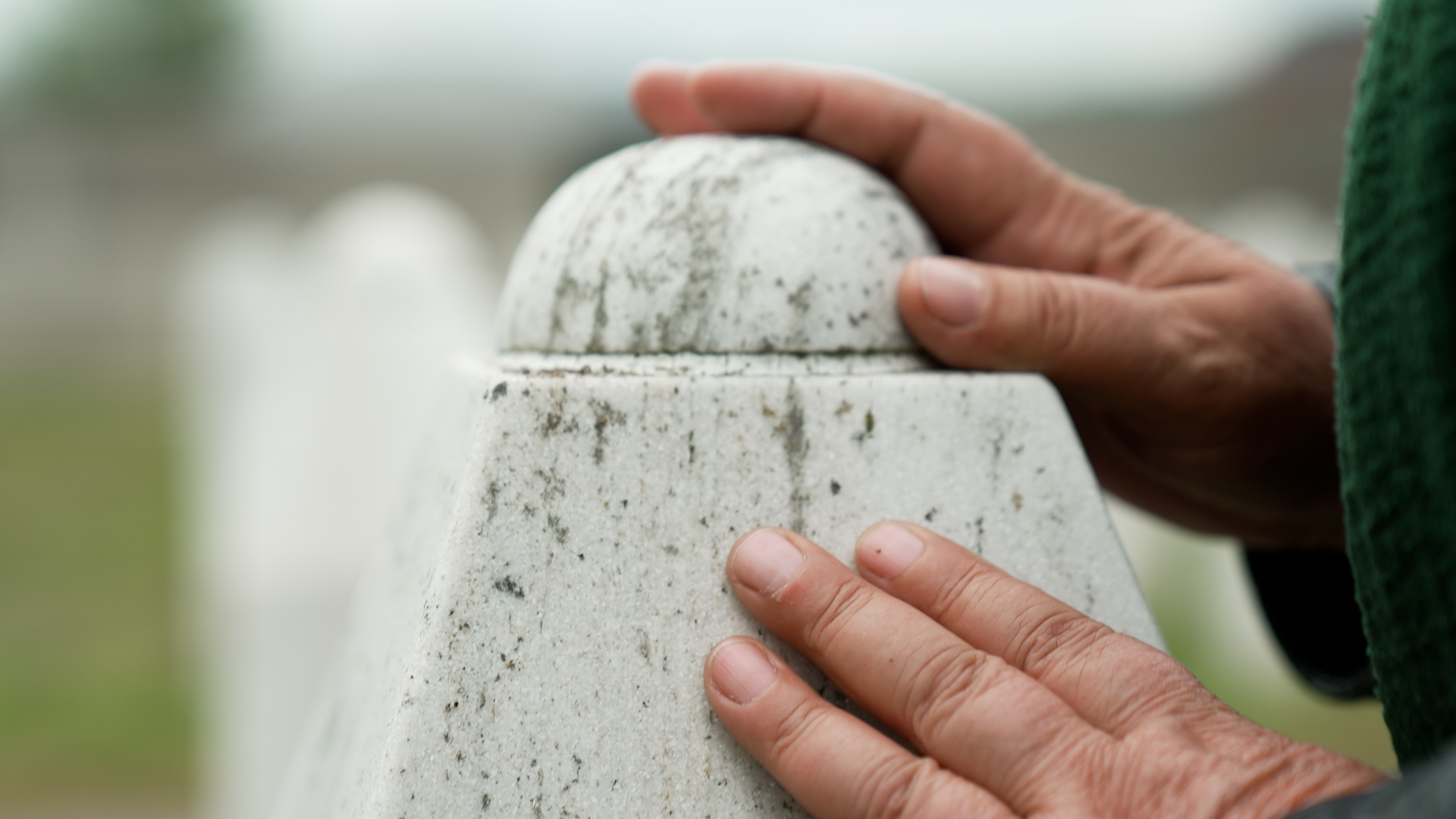
A commemorative program marking the 30th anniversary of the Srebrenica genocide was held in Helsinki, organised by the Foreign Affairs and Diaspora Department of the Riyasat of the Islamic Community in Bosnia and Herzegovina. The event was supported by the FBiH Ministry for Displaced Persons and Refugees, the Islamic Community of Bosniaks in Finland, and the “Behar” Association.
The commemoration was part of the international initiative The World Remembers Srebrenica, which aims to raise global awareness about the genocide committed against Bosniaks in July 1995.
The event featured presentations on the historical, political, and legal dimensions of the genocide. Among the speakers was Hikmet Karcic, genocide researcher and scientific associate at the University of Sarajevo’s Institute for Research of Crimes Against Humanity and International Law. He spoke about the broader context of the genocide, ongoing denial, and the necessity of confronting the past as a foundation for peace.
Karcic stressed the importance of integrating the Srebrenica genocide into European education systems and advocated for memorials in European capitals as both a tribute to victims and a deterrent against genocide denial.
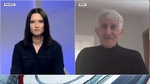
Former UN Special Rapporteur on Human Rights in the former Yugoslavia, Elisabeth Rehn, also voiced her support. Rehn played a significant role in bringing international attention to the Srebrenica genocide. She recalled meeting with victims' families and pushing for Finland’s involvement in the identification process in Tuzla. Drawing from her own experience of losing a family member in World War II, she emphasized the enduring pain of uncertainty regarding missing loved ones.
Finnish forensic expert Helena Ranta, who led early investigations of mass graves in Bosnia and Herzegovina, also participated in the event and reaffirmed the importance of remembrance and justice.
The commemoration was attended by members of Helsinki’s academic and NGO communities, as well as local citizens. Through video presentations and discussions, participants were introduced to the events of July 1995 and the lasting impact of the Srebrenica genocide.
Kakvo je tvoje mišljenje o ovome?
Učestvuj u diskusiji ili pročitaj komentare


Kakvo je tvoje mišljenje o ovome?
Učestvuj u diskusiji ili pročitaj komentare