Srbija
 Hrvatska
 Slovenija

Hydrology and renewables drive electricity generation gains in Bosnia


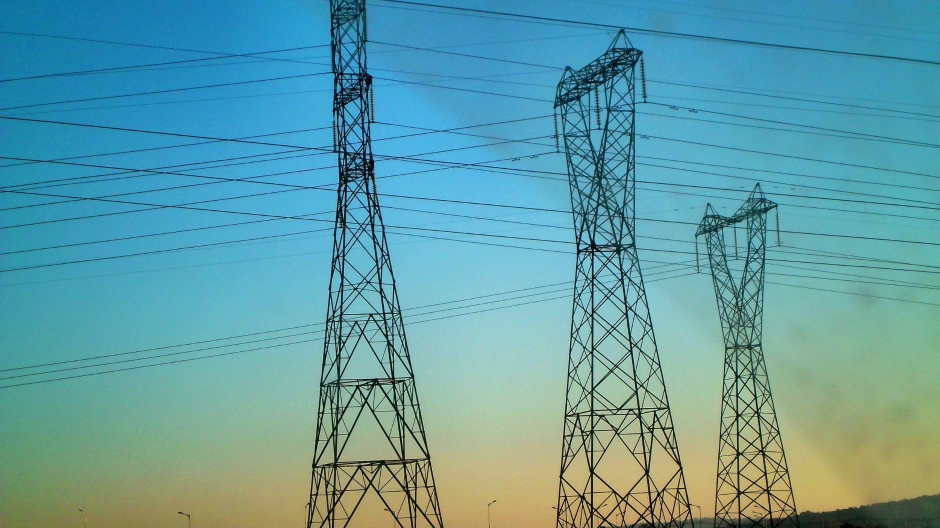
Bosnia and Herzegovina’s power sector saw improved performance during the first half of the year compared to the same period in 2025, driven by favorable hydrological conditions and the expansion of newly connected wind and solar power plants.
Edhem Bicakcic, an honorary member of the International CIGRE and a prominent energy expert, reported to FENA that these gains were partially offset by decreased output from thermal power plants, which struggled with coal shortages and poor operational readiness of several generating units.
Analysis based on reports from the Independent System Operator in Bosnia and Herzegovina and the national Agency for Statistics reveals that the country exported 3.11 TWh of electricity during the first six months of the year, while imports amounted to 1.67 TWh. When compared to the first half of 2025, electricity exports saw a 19 percent decline, while imports dropped by 38.6 percent.
In financial terms, electricity exports totaled 330 million Boosnian marks (approx. €168.7 million), marking a 16.2 percent decrease from the previous year. Imports were valued at 286 million marks (some €146.2 million), a 47.1 percent reduction. Net electricity exports rose by 28.6 percent year-on-year to 1.44 TWh; however, the value of these net exports fell by 52.7 percent to 45 million marks (around €23 million).
Generation data highlights a shifting energy mix: thermal power plants produced 3.07 TWh, a 16.9 percent year-on-year decline caused by the aforementioned coal supply issues and maintenance challenges. Conversely, hydropower generation reached 3.13 TWh, an increase of 32.4 percent due to superior hydrological conditions. Furthermore, generation from wind and solar facilities connected to the transmission grid totaled 0.64 TWh, a 16.1 percent rise over 2025 levels, attributed to the integration of new capacity.
"Despite coal shortages, total electricity generation in Bosnia and Herzegovina reached 7.44 TWh in the first half of the year, an increase of 3.5 percent compared with the same period last year, thanks to favorable hydrological conditions and the growing number of newly connected wind and solar power plants," Bicakcic concluded, noting that electricity consumption remained stable at 6.15 TWh.
Kakvo je tvoje mišljenje o ovome?
Učestvuj u diskusiji ili pročitaj komentare


Kakvo je tvoje mišljenje o ovome?
Učestvuj u diskusiji ili pročitaj komentare