

 Srbija
 Hrvatska
 Slovenija


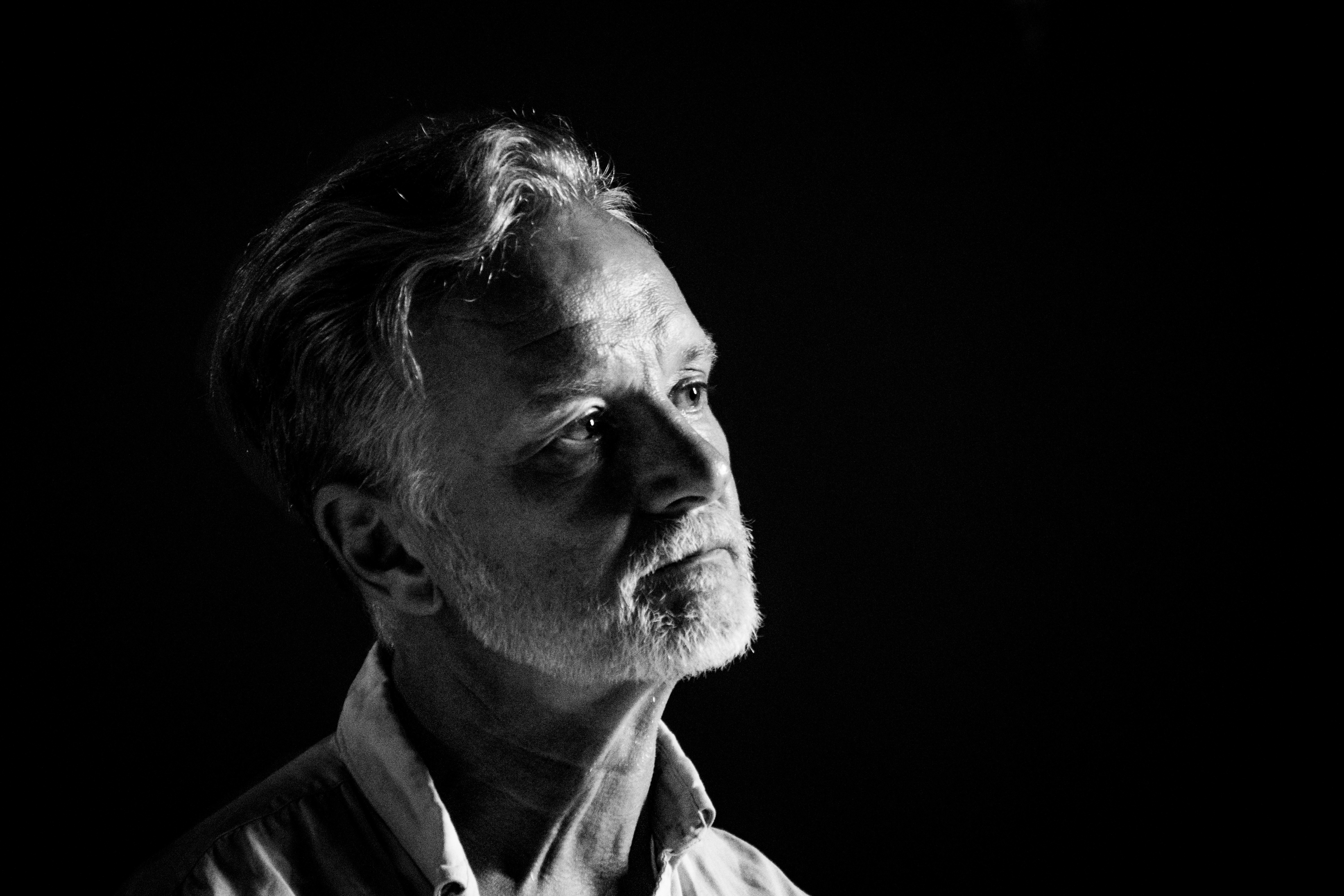
The Museum of Literature and Performing Arts of Bosnia and Herzegovina hosted the opening of the 30th anniversary edition of the Memory Module (“Modul Memorije”), one of MESS festival’s key programmes. The opening featured an exhibition of Memory Module posters, an award ceremony for contributions to preserving the culture of remembrance, and a special program dedicated to the late Paul Lowe.
The Memory Module's goal is to preserve the memory of Bosnia and Herzegovina’s tragic past and the Sarajevo siege. According to program coordinator Hana Bajrovic, this year’s edition is dedicated to all individuals and cultural workers who acted in Sarajevo during the siege.
“We wanted to use various programs to pay tribute to their work and the importance of engaging with art that emerged under such extreme circumstances, as well as the art that serves as a response to those circumstances,” Bajrovic said.
Memory Module: "The past should not be a source of frustration, but a virtue"
Artistic director Nihad Kresevljekovic emphasized that radical situations have existed throughout history.
“Unfortunately, today we live in a time when such events are becoming even more intense. Our goal, within the context of Bosnia and Herzegovina and our own experiences, was to ensure that remembrance of the past does not become a source of frustration, but rather serves as inspiration to make us better people. Another important aspect was the hope that Bosnians and Herzegovinians would show empathy toward the tragedies of others.”
During the event, the award for contributions to preserving the culture of remembrance was presented. This year’s recipient, writer Ferida Durakovic, said the recognition gives her encouragement.
“Not because it holds any material value, but because someone recognized my work. That’s incredibly important, as so many people do good and even better work than me, but no one sees it. I think this kind of award sends a message—don’t exaggerate, but enjoy it if someone notices,” Durakovic said.
Paul Lowe: "An artist who connects ethics and aesthetics"
The audience had the chance to watch an interview with the late photographer Paul Lowe, the only coloured interview from the documentary “The Story Behind the Photo”. According to Sniper Alley Photo project creator Dzemil Hodzic, the footage was originally recorded in 2019.
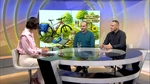
“To be honest, I wasn’t fully satisfied with it, and I set it aside to work on other episodes. However, when Paul passed away too soon, I decided to complete it—firstly for his family and friends, and then for future generations who can learn from it,” Hodzic told N1.

Lowe’s wife, Amra Abadzic, said the program and documentary screening meant a lot to her.
“Everyone who lived in Sarajevo, who knew Paul, understands how much remembrance of the war period meant to him. We know how much he worked during that time and continued to work afterwards. Unlike many others who left, he stayed in this city, worked here, and helped in any way he could,” Abadzic said.
Bajrovic described Lowe as a symbol of art that combines ethics and aesthetics. He was also a recipient of the Memory Module Award in 2020.
Kenneth Morrison: "Paul was one in a million"
Kenneth Morrison, a professor of history and director of the Institute for Humanities and Political Studies at De Montfort University, UK, co-authored “Reporting the Siege of Sarajevo” with Lowe. Morrison highlighted Lowe’s importance in fostering the culture of remembrance.
“Unlike many photojournalists, Paul didn’t instinctively chase military action or breaking news. He was a trained historian who took the need to ‘bear witness’ seriously and developed a special interest in documenting people’s daily lives, hardships, and struggles in extreme situations. Of course, he is rightly celebrated for his work documenting civilians’ lives during the siege of Sarajevo,” Morrison said.
He stressed that Lowe should also be remembered as an academic.
“Paul was deeply committed to fostering remembrance and memorialization while also recognizing that Bosnia and Herzegovina shouldn’t be defined solely by war crimes and genocide. He was a strong advocate for the country and cherished life in Sarajevo. We both believed that despite occasional political crises, Bosnia and Herzegovina has a bright future.”
Morrison pointed out that recalling war crimes plays a key role in healing.
“We owe it to future generations not only to inform them about the darkest chapters of their history but also to allow them to live their lives free of fear that history will repeat itself and war is always looming. Finding the balance is difficult. In any case, Paul’s work, along with many other photojournalists, must remain accessible to the public for a better understanding of wartime horrors.”
According to Morrison, Lowe brought hundreds of academics from across the world to Bosnia and Herzegovina through the “Why Remember?” conference, which he organized. Many return year after year, largely because Paul made them love Sarajevo as much as he did.
“Paul used to say that, after years of documenting the siege of Sarajevo, he made the city his home and raised his family there. To me, he was a friend and close collaborator. He was kind, honest, and generous with his time. Over the years, we grew close. He treated everyone with dignity and respect—that is the hallmark of a great person. I deeply admired his work, but to me, he should be remembered as one in a million—not just for his work, but because, in his quiet way, he was an extraordinary figure,” Morrison concluded.
See the full interview with Lowe in the video below:
Kakvo je tvoje mišljenje o ovome?
Učestvuj u diskusiji ili pročitaj komentare


Kakvo je tvoje mišljenje o ovome?
Učestvuj u diskusiji ili pročitaj komentare