

 Srbija
 Hrvatska
 Slovenija


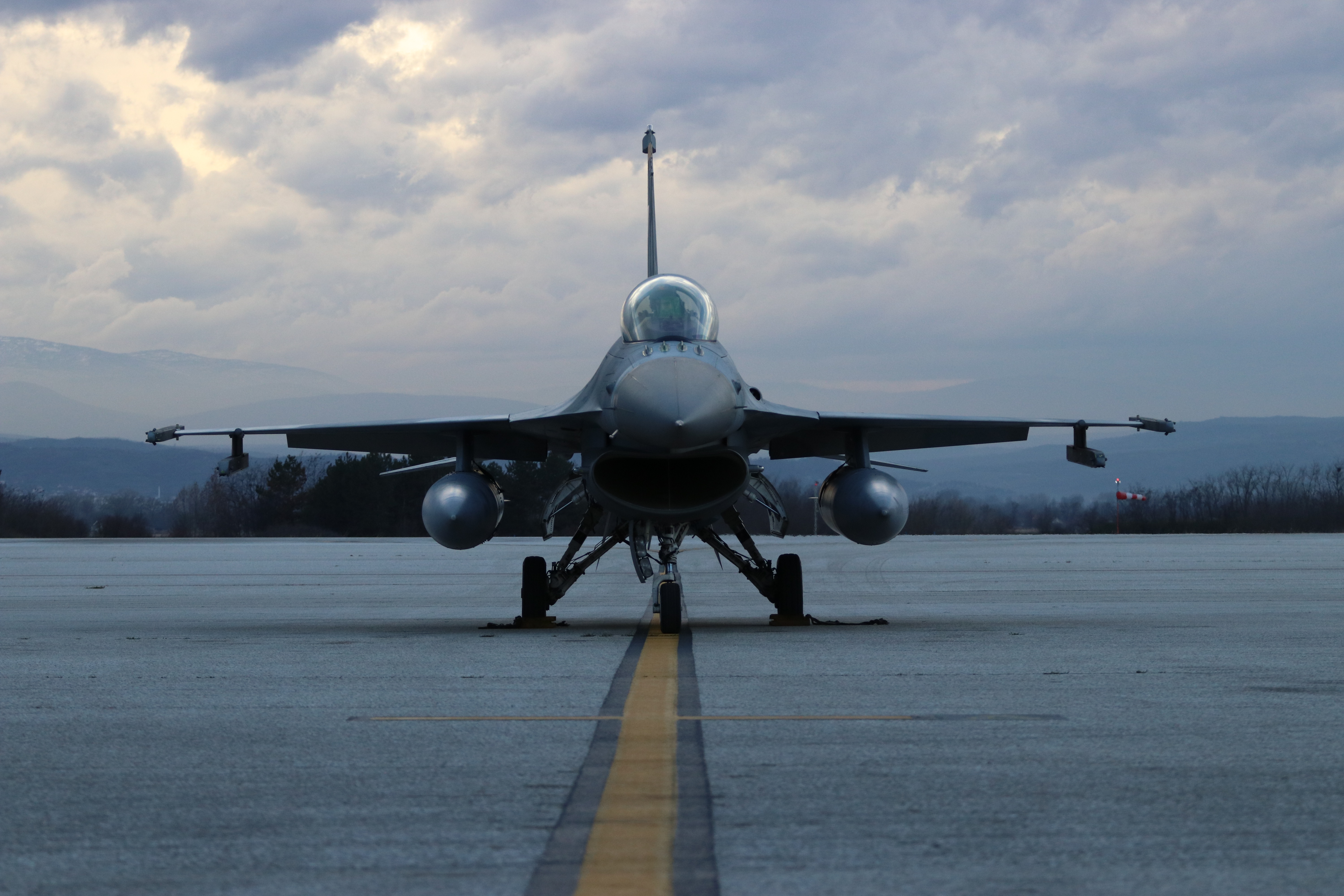
Western Balkan countries have an opportunity to become key NATO partners after NATO leaders confirmed at a recent summit their readiness to increase defence spending, including the procurement of large quantities of ammunition and other military equipment, much of which is produced in the region.
NATO deputy secretary general Radmila Šekerinska told Sarajevo’s Oslobođenje media outlet the summit in The Hague had sent an important message to the region, one that its countries should take seriously.
“NATO partner countries in the Western Balkans have a highly developed defence industry. This is an opportunity for them as well, because, as we have seen in the past, the defence industries of NATO member states are sometimes unable to produce sufficient quantities of weapons. If some of our partners are smart, fast and high-quality enough, this could be a chance for job creation and deeper cooperation,” she was quoted as saying.
Sekerinska said NATO would maintain a direct relationship with its partner states in this area, namely Bosnia and Herzegovina, Serbia, and Kosovo, the only countries in the region outside formal NATO membership.
BiH has an approved Membership Action Plan a,nd NATO accession is a goal stated in its defence law. However, progress is hindered by obstruction from the Serb entity of Republika Srpska, whose authorities insist BiH should align only with Serbia’s path, a country that rejects NATO membership, though it maintains limited cooperation with the Alliance.
The plan to increase defence spending to 5% of GDP also means that part of these funds will be allocated to supporting partner countries. NATO sources have said there will be no interference in how the money is spent, as long as partners procure equipment and weapons in line with NATO standards.
In recent years, BiH has invested heavily in developing its defence industry, particularly in ammunition production, something NATO increasingly requires.
In the first quarter of this year, BiH exported ammunition and military equipment worth around €87 million, a 42% increase compared to the same period in 2024. The largest buyers were the United States, Saudi Arabia, Slovakia, the Czech Republic, Serbia, Bulgaria, and Iraq.
Most of the ammunition and military equipment factories are located in the Croat-Bosniak Federation entity, whose Industry Minister Vedran Lakic said all these factories were undergoing production certification in line with NATO standards.
Three companies - Ginex, Pretis, and AC-Unity - have completed the certification process through collaboration with external partners.
“We now want to bring that process into Bosnia and Herzegovina by strengthening domestic institutions capable of performing codification and certification in accordance with NATO regulations. This includes establishing a national certification body, which we are working on together with the Ministry of Defence and other partners. With BiH's inclusion in the NATO codification system and its status as a sponsored country, the door is open for building a national system that will allow our companies direct access to the NATO market and the allocation of NATO item numbers for their products. This is a big opportunity for our defence industry, as NATO countries will significantly increase defence spending over the next ten years,” Lakic said.
"NATO’s decision to increase defence spending could also bring major benefits to companies like UNIS-Ginex Gorazde. Our products - percussion caps - are a key component in ammunition and are already used by many NATO-member ammunition manufacturers,” said director Dzenana Turkovic Hodzic.
A rise in exports is also expected at the BNT factory in Novi Travnik, which manufactures howitzers and mortars. “We know two or three of our products are of interest to NATO countries. We are confident this increase in demand will lead to greater orders for our products, which in turn will mean more jobs and expanded production capacity,” said BNT director Besim Belegic.
Kakvo je tvoje mišljenje o ovome?
Učestvuj u diskusiji ili pročitaj komentare


Kakvo je tvoje mišljenje o ovome?
Učestvuj u diskusiji ili pročitaj komentare