

 Srbija
 Hrvatska
 Slovenija


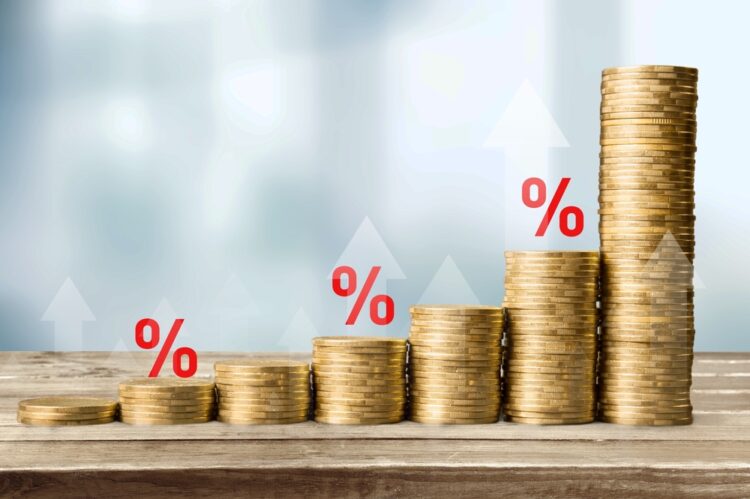
The concluding year in Bosnia and Herzegovina has been defined by a landmark institutional breakthrough, the opening of EU accession negotiations, set against a backdrop of renewed inflation and stalling exports. While the nation secured a seat at the negotiating table, delays in implementing key reforms linked to EU funding remained a significant hurdle.
Throughout 2025, the economy followed a trajectory of slow but stable growth, even as its primary trading partners, Germany and Italy, grappled with recessionary pressures. Initial GDP growth forecasts of 3% were ultimately revised downwards as the external environment deteriorated. According to the IMF and the Central Bank of BiH, final figures settled between 2.4% and 2.8%.
With exports cooling, growth was largely sustained by robust domestic demand. This was fueled by rising wages, increased household consumption, and a steady pace of construction, particularly on large-scale infrastructure projects like Corridor Vc.
Wage hikes and the inflationary tug-of-war
A pivotal socio-economic shift occurred this year with a substantial increase in the minimum wage across both entities. While this directly boosted the purchasing power of low-income households and stimulated the economy, it also triggered intense debate. Business leaders voiced concerns over dwindling competitiveness, yet many firms found themselves forced to raise average salaries simply to retain skilled workers.
This domestic spending power, however, came at a cost. After a brief dip in 2024, inflationary pressures resurged to an annual average of 3.6% to 4.3%. Analysts point to a combination of rising food and energy costs alongside the demand-pull effect of higher wages and pensions. While the Bosnian mark’s peg to the euro ensures essential monetary stability, it leaves the Central Bank with limited tools to independently tackle rising prices.
Political deadlock stalls EU funding
The 2025 economic agenda was dominated by the European Union. Following the commencement of accession talks, BiH was tasked with submitting a comprehensive reform plan by May to unlock the EU Growth Plan. However, persistent political deadlock resulted in the document's delay, causing the country to temporarily lose access to a portion of the allocated funds.
Despite these setbacks, the government adopted the Economic Reform Programme 2025–2027, which prioritises digitalisation and an improved business environment.
Trade deficits and fiscal expansion
The recessionary climate in the Eurozone took its toll on Bosnian trade. Export growth slowed to roughly 5.7% early in the year, trailing behind imports and widening the foreign trade deficit. Foreign direct investment remained underwhelming, as investors stayed cautious in the face of political uncertainty and bureaucratic complexity.
On the fiscal front, government budgets swelled. The Federation of BiH budget, for instance, surpassed 8.2 billion Bosnian marks (approximately €4.19 billion), bolstered by higher indirect tax revenues, a direct byproduct of inflation and increased consumption. Public debt remains manageable at 35–40% of GDP, though the focus has shifted toward ensuring that any new borrowing is funnelled into vital capital projects.
Ultimately, 2025 stands as a year of paradox: Bosnia and Herzegovina achieved moderate growth and monetary stability, yet structural inefficiencies and inflation continue to prevent the nation from reaching its full economic potential.
Kakvo je tvoje mišljenje o ovome?
Učestvuj u diskusiji ili pročitaj komentare


Kakvo je tvoje mišljenje o ovome?
Učestvuj u diskusiji ili pročitaj komentare