

 Srbija
 Hrvatska
 Slovenija


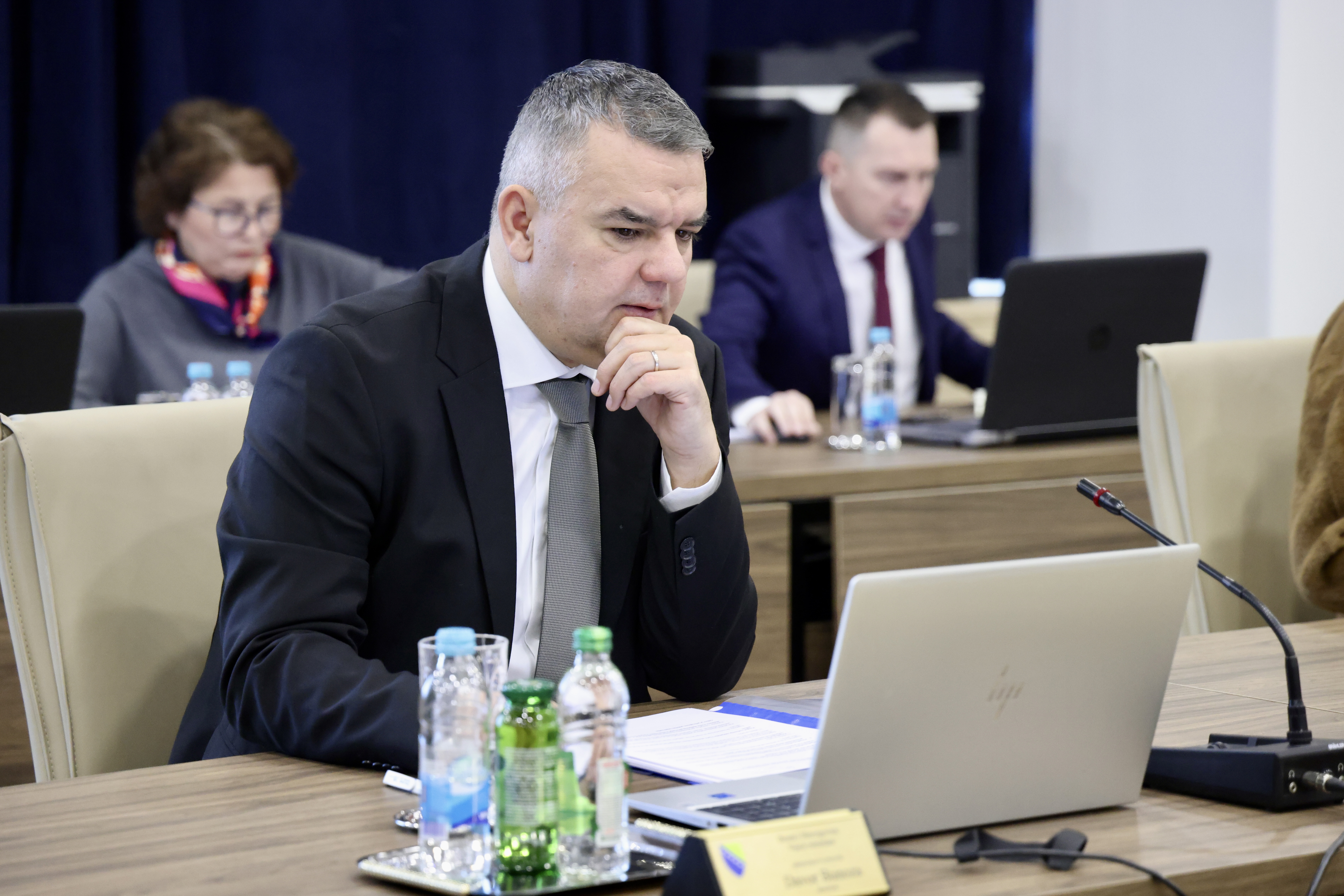
Bosnia and Herzegovina's Minister of Justice, Davor Bunoza, reiterated his opposition to unilateral actions by the National Assembly of Republika Srpska, emphasizing the need for institutional respect and dialogue. Speaking in Sarajevo, Bunoza warned that decisions made without consensus often result in setbacks.
“I do not support unilateral actions or outvoting of anyone. Bosnia and Herzegovina is a complex state, and we have successfully passed many important laws in the past two years while respecting the three constituent peoples and the entities. I have never supported any law that would harm Bosnia and Herzegovina,” Bunoza stated, urging adherence to state institutions.
He referenced the Constitutional Court of BiH’s interim decision and stressed that legal rulings must be respected. He also raised concerns over the implications of parallel legislation being introduced, questioning its feasibility given the country’s existing legal framework. “If we are to amend the Constitution and laws, the only solution is dialogue,” he added.
On detention order for Dodik
Regarding the recent arrest order for Republika Srpska President Milorad Dodik, Bunoza confirmed that the State Prosecutor's Office had issued the order and that judicial police were analyzing whether additional assistance was needed.
“I held a meeting with the head of the judicial police this morning. Assistance from SIPA was requested, but media reports indicate that this may not be possible. I stand for respecting the law, but also for ensuring that no one’s health or safety is put at risk,” Bunoza stated.
He acknowledged the seriousness of the situation, describing it as a major political crisis. However, he maintained that the rule of law must prevail. “Judicial police officers are professionals who have handled high-profile cases before. They are committed to working within the law and have requested assurances to prevent any potential incidents,” he noted.
Judiciary reforms and European integration
Addressing ongoing judicial reforms, Bunoza highlighted challenges in reaching consensus on a new Law on the Court of Bosnia and Herzegovina. He noted that the law had been brought before the Council of Ministers five times, but progress was stalled due to disagreements over the court’s seat and criminal jurisdiction.
“This law has received full approval from the Venice Commission and is essential for Bosnia and Herzegovina’s progress on the European path. It establishes an independent second-instance court with its own president, budget, and judges appointed by the High Judicial and Prosecutorial Council,” Bunoza explained.
Despite efforts to reach a compromise, political demands continue to obstruct progress. “This law could be adopted immediately if there were political will,” he concluded.
Kakvo je tvoje mišljenje o ovome?
Učestvuj u diskusiji ili pročitaj komentare


Kakvo je tvoje mišljenje o ovome?
Učestvuj u diskusiji ili pročitaj komentare