

 Srbija
 Hrvatska
 Slovenija

Bundestag was ready to adopt resolution on Srebrenica but Schmidt prevented it, analyst says. Ambassador denies allegations


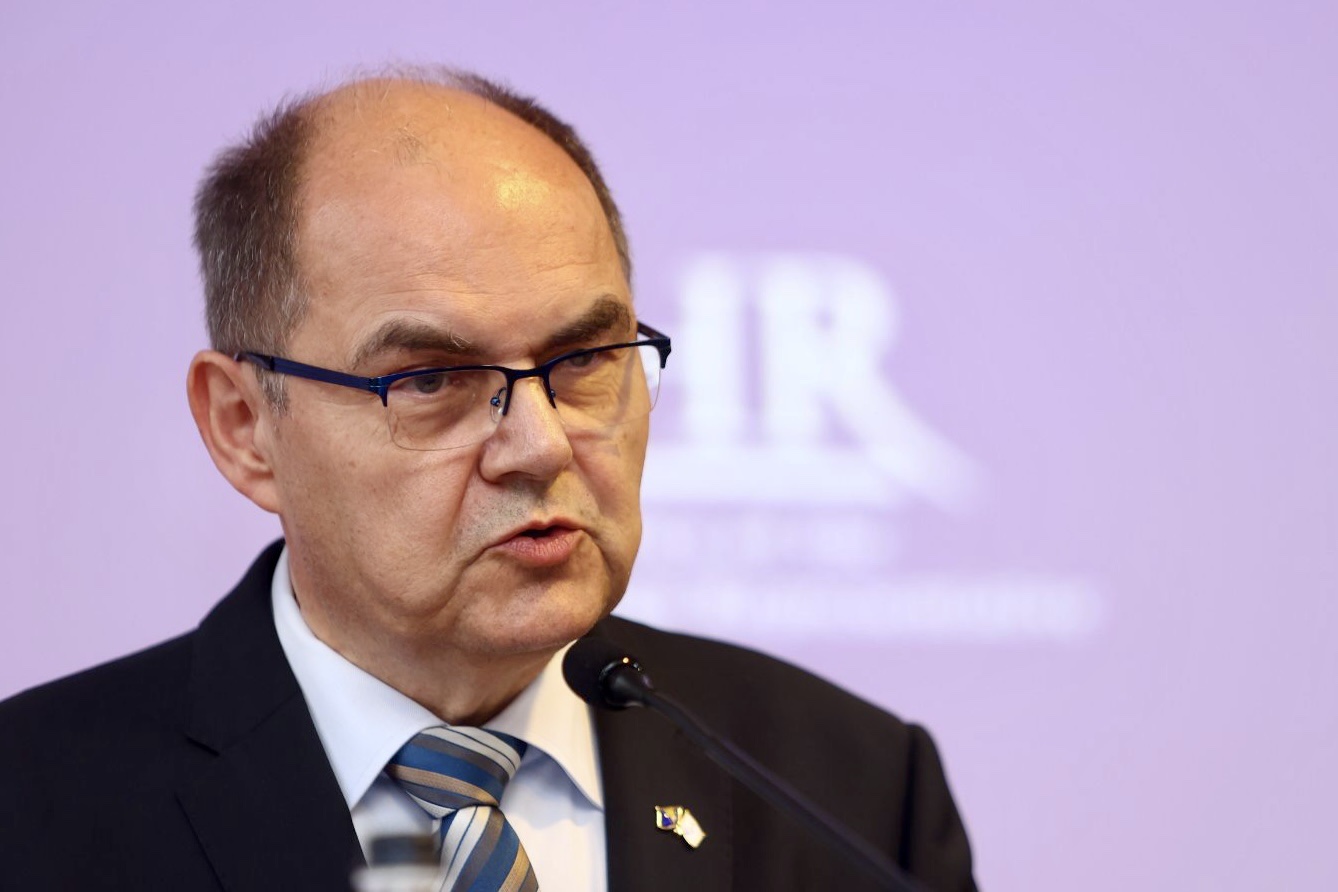
The German Bundestag was ready to adopt a resolution on the Srebrenica genocide ahead of the 30th anniversary of the Srebrenica genocide, but the idea was met with opposition and the final move was prevented by the international community's High Representative in Bosnia and Herzegovina, Christian Schmidt, according to political analyst Jasmin Mujanović. The allegations were dismissed by Bosnian ambassador in Berlin, who attended the session on Srebrenica on July 11.
As he explained, the Bundestag was to adopt a document similar to the UN General Assembly resolution, which refers to the genocide in Srebrenica, and establishes, among other things, the International Day of Remembrance of the Srebrenica Genocide.
"I can now confirm that ahead of the 30th anniversary of the Srebrenica Genocide on July 11 the German Bundestag was prepared to adopt a resolution, broadly modeled on the UNGA Srebrenica Genocide resolution, commemorating the genocide — but the same was strenuously opposed and ultimately scuttled through the direct intervention of Christian Schmidt, who warned German officials that such a move would “escalate tensions” in BiH," Mujanović announced.
Schmidt is a German diplomat who was appointed as the peace envoy in Bosnia in August 2021 to oversee the implementation of the Dayton Peace Agreement following the 1992-95 war. He took over the role from Austrian politician Valentin Inzko.
Damir Arnaut, Bosnian ambassador to Germany strongly denied the allegations, calling them "bizarre."
"This is absolutely not true. The claim that something like this was planned, then stopped, and that 'it wasn't even written' sounds bizarre, to say the least," said Arnaut.
"I have publicly presented everything that happened in the Bundestag regarding Srebrenica in recent days and I am extremely grateful to the Bundestag, President Klöckner and literally dozens of representatives who helped with this," he added in reaction to Mujanović's allegations.
Bundestag held a debate on Srebrenica as a first item on the July 11 agenda, and the event itself was marked by controversy. Namely, far-right deputies questioned the genocide, saying that the classification of the Srebrenica massacre as genocide by the UN was a political decision.
The positions provoked a fierce reaction from other factions in the German parliament, and the Foreign Minister himself reiterated Germany's official position - that the Srebrenica massacre was indeed an act of genocide.
Kakvo je tvoje mišljenje o ovome?
Učestvuj u diskusiji ili pročitaj komentare


Kakvo je tvoje mišljenje o ovome?
Učestvuj u diskusiji ili pročitaj komentare