

 Srbija
 Hrvatska
 Slovenija


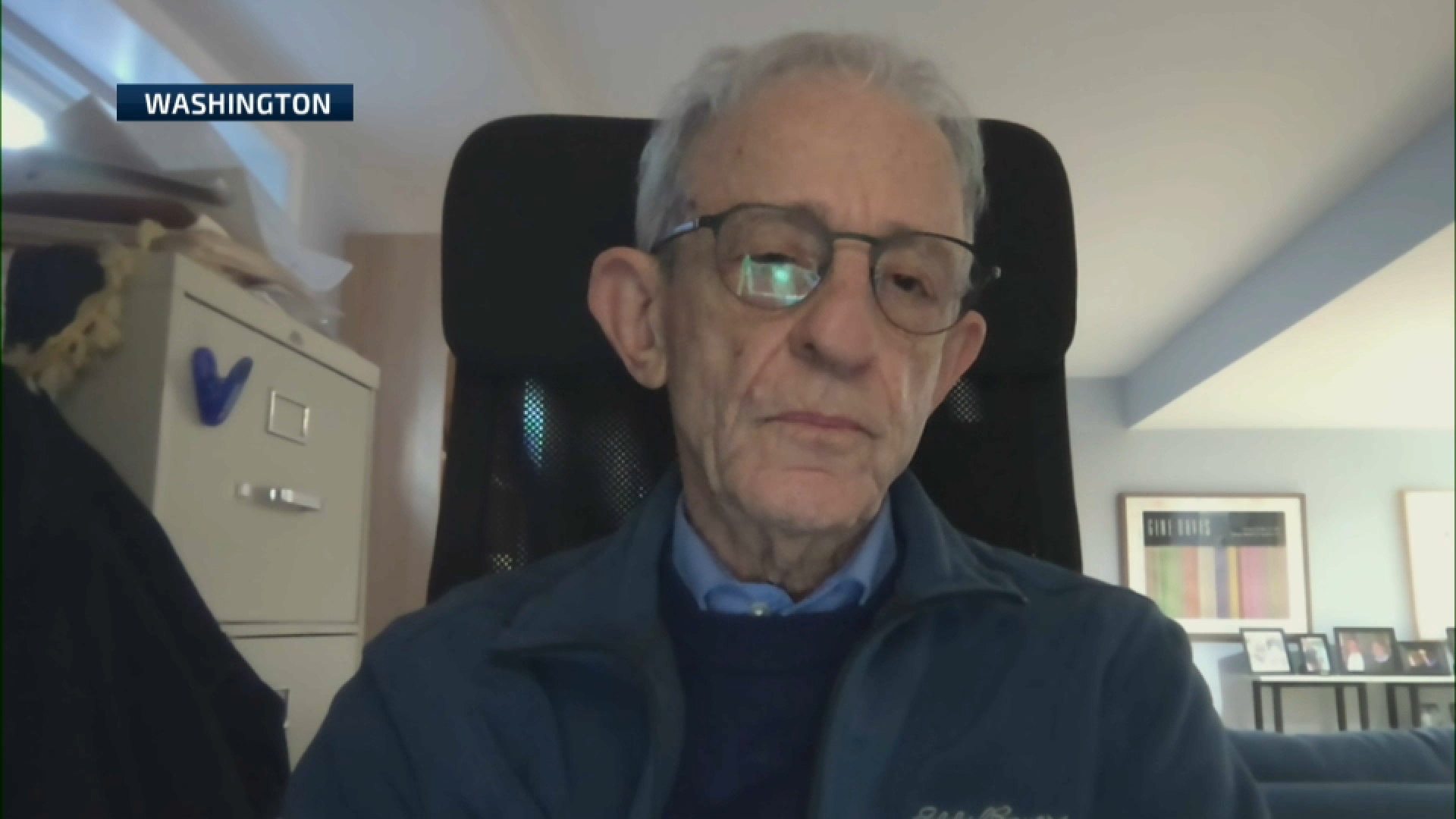
American Balkan expert Daniel Serwer warned that the division of Bosnia and Herzegovina is possible but stressed that there is no prospect of a peaceful separation, only a violent one, adding that such a scenario would benefit Russia by destabilizing the Balkans and opening a second front.
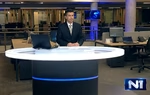
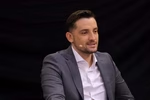
Speaking on N1’s Pressing program, Serwer said Russia would welcome such developments as they would undermine US achievements in the region and create serious challenges for NATO.
“That is entirely possible, something like that could happen. It is certain that Russia would be very pleased to see such a situation because it would destroy what America has achieved, destabilize the Balkans in general, and NATO would face a huge problem,” Serwer said.
The Johns Hopkins University professor emphasized that the possibility of division has existed since the signing of the Dayton Peace Agreement but underlined that a peaceful separation is not an option.
“There is no possibility of a peaceful separation of Bosnia and Herzegovina, only a violent one. That is the main reason why it should be avoided. This is not only about Bosnian patriotism, it is about avoiding death and destruction,” Serwer stated.
Russia would benefit from a “second front”
Serwer warned that Russia would seek to exploit such a situation without direct involvement.
“Anything that would create more problems for NATO or open a second front would serve Russian interests. Russia does not need to send its own people to the Balkans. It only needs to see a second front created and people in Bosnia killing each other, which would be a huge problem for the West,” he said.
He added that former Republika Srpska entity president Milorad Dodik should be taken seriously.
“I have always taken Dodik seriously. He has long been an elected politician in that entity and a democratically confirmed leader, and in some way he must fulfill what he promises, and what he promises is secession. That is why we must take his words seriously, as well as his ties with Russia,” Serwer said.
Doubts over international recognition of Republika Srpska
Asked whether 15 countries, as Dodik claims, would recognize an independent Republika Srpska, Serwer said he does not believe the United States, under incumbent President Donald Trump, would do so.
“There are political processes in Washington, as seen in the latest legislation that was passed, supporting democratization, economic development, and a European future for Bosnia and Herzegovina. I do not think the United States would recognize an independent Republika Srpska,” Serwer said.
He added that recognition by 15 countries would not be sufficient.
“That is not enough to achieve genuine international recognition. Kosovo received recognition from 115 countries and still is not universally accepted,” he noted.
Regarding Israel, Russia, and Hungary, Serwer also expressed skepticism.
“How could Israel recognize Republika Srpska if it does not allow recognition of Palestine? The same applies to Russia. Russia claims that Ukraine belongs to it. Would they really be satisfied with Republika Srpska being recognized? That would be inconsistent with their policy toward Ukraine,” Serwer explained.
He added that Hungary would likely be constrained by European Union policies opposing such recognition.
Secession would inevitably be violent
Serwer reiterated that any attempt at secession would involve violence.
“Even if secession occurs, let us be clear, it will be carried out in a violent way. The same applies to recognition of Republika Srpska. No one should imagine that Republika Srpska could secede peacefully. That will not happen,” he warned.
He concluded that armed resistance would be inevitable.
“There will be people who oppose it, and those who oppose it will take up arms, while Republika Srpska has clearly stated it would attempt to defend itself. What you need for war are two opposing sides. That is very clear in Bosnia and Herzegovina. In fact, there would be three sides in Bosnia, but at least two are needed for war,” Serwer concluded.
Kakvo je tvoje mišljenje o ovome?
Učestvuj u diskusiji ili pročitaj komentare


Kakvo je tvoje mišljenje o ovome?
Učestvuj u diskusiji ili pročitaj komentare