

 Srbija
 Hrvatska
 Slovenija


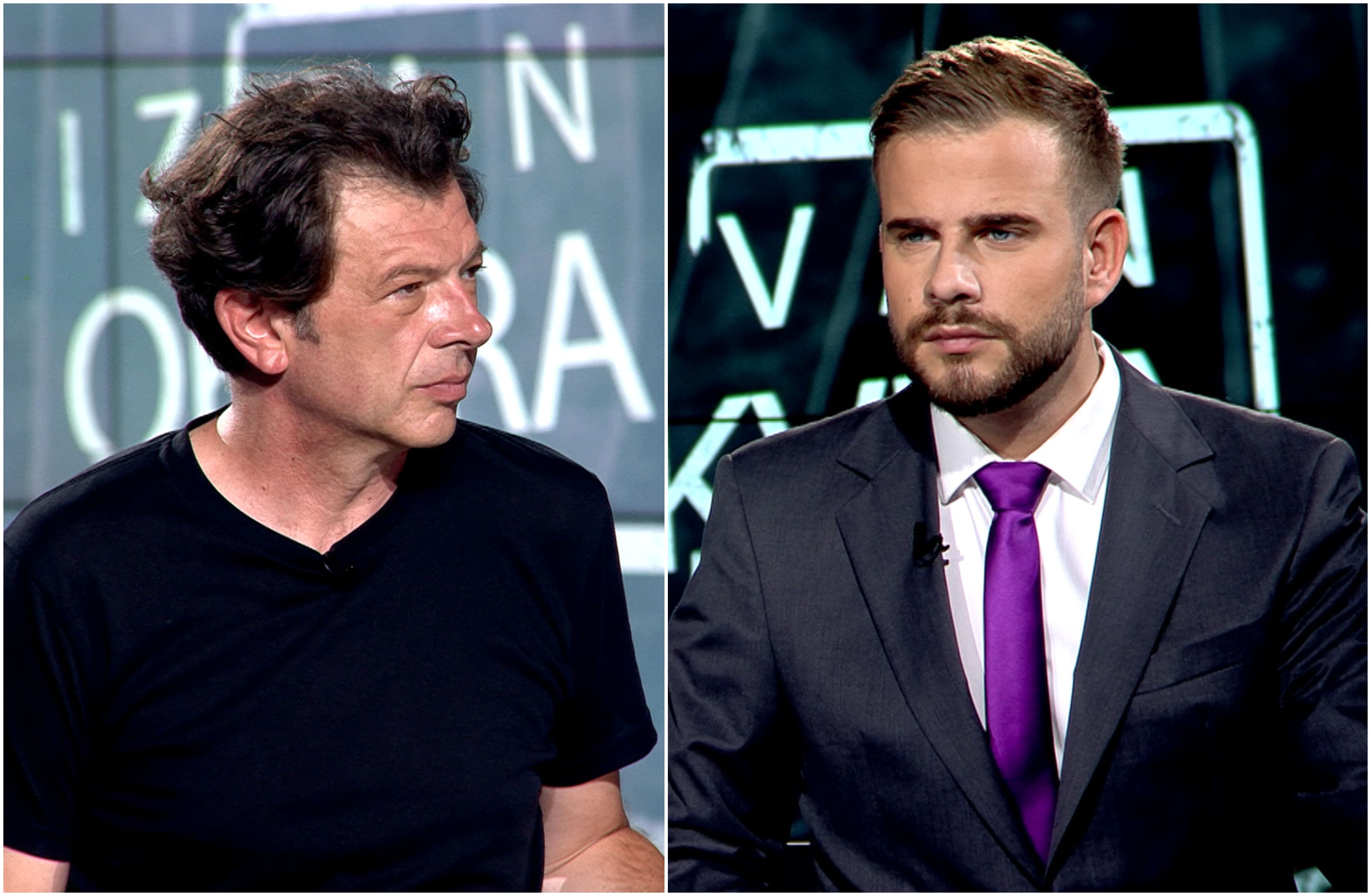
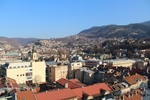
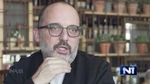
Bosnian photojournalist Damir Sagolj has spent decades turning the horror of wars into images that have changed front pages, editorial decisions, and sometimes even human conscience. A Pulitzer Prize winner with a career spanning the world’s most dangerous conflict zones, Sagolj remains deeply rooted in Sarajevo, the city where he first picked up a camera during the siege of the 1990s.
As a guest on Izvan okvira, Sagolj shared the raw story of how one becomes a photojournalist in places no one wants to go, and why, as he insists, it is impossible to get used to terror.
He entered the war as a young man with no ambition to become a photographer. Sarajevo was under siege, surrounded by snipers and mortar fire, and a camera was only an occasional companion in the hands of an amateur.
"During the war in Sarajevo, I wasn’t really interested in photography. I was an amateur and I rarely took pictures. But near the end of the war, when I realised I needed a profession, I picked up the camera", Šagolj told N1.
Photography was never an escape, only a way through. He says there is no way for a human being to become desensitized to horror. If you do, he says, everything dies, the person and the image alike.
"You cannot get used to horror. The other night I was in a pediatric ward — one evening is enough to ruin you for life, and yet the doctor watches this every day. Maybe something inside you adjusts so you don’t break apart every time, but to fully get used to it, to the point of indifference or ignorance — that’s almost impossible. That would be the end of the story", Šagolj said.
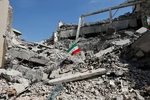
His lens has travelled through Iraq, Lebanon, Gaza, Afghanistan, Myanmar, North Korea. Each new border was a new wound and a new story — a story too big for words, one that fits only in a single frame.

"I look through the camera’s viewfinder searching for that frame where all my sensors and all my scars play together to the point that I almost lose control. A photojournalist doesn’t have the luxury of writing an 800-word text or producing a one-hour program like you do. We have just one photograph — and all the context must live in that single image", he explained.
For Sagolj, a photographer is more than an observer — he is an ambassador. He carries messages from places where the average person will never set foot: a refugee camp, a mass grave, a sniper-ridden street, a school that is no longer a school.
"When I go to places ordinary people can’t reach, I become an ambassador that society has sent to a distant place to see what’s happening and ‘report back’. It’s my responsibility to witness what’s happening — for example, in a refugee camp on the Myanmar-Bangladesh border — and bring that back to the people who sent me on this mission", he added.
Winning the Pulitzer Prize was both a burden and a door opener, he says — a reminder that the work is not in vain.
"Awards are a burden, although they are good because they open doors and confirm that what you’ve done wasn’t pointless," Sagolj said in the interview for Izvan okvira.
Kakvo je tvoje mišljenje o ovome?
Učestvuj u diskusiji ili pročitaj komentare


Kakvo je tvoje mišljenje o ovome?
Učestvuj u diskusiji ili pročitaj komentare