

 Srbija
 Hrvatska
 Slovenija

RS entity given new deadline until April: Without a deal, BiH faces arbitration worth nearly €700 million


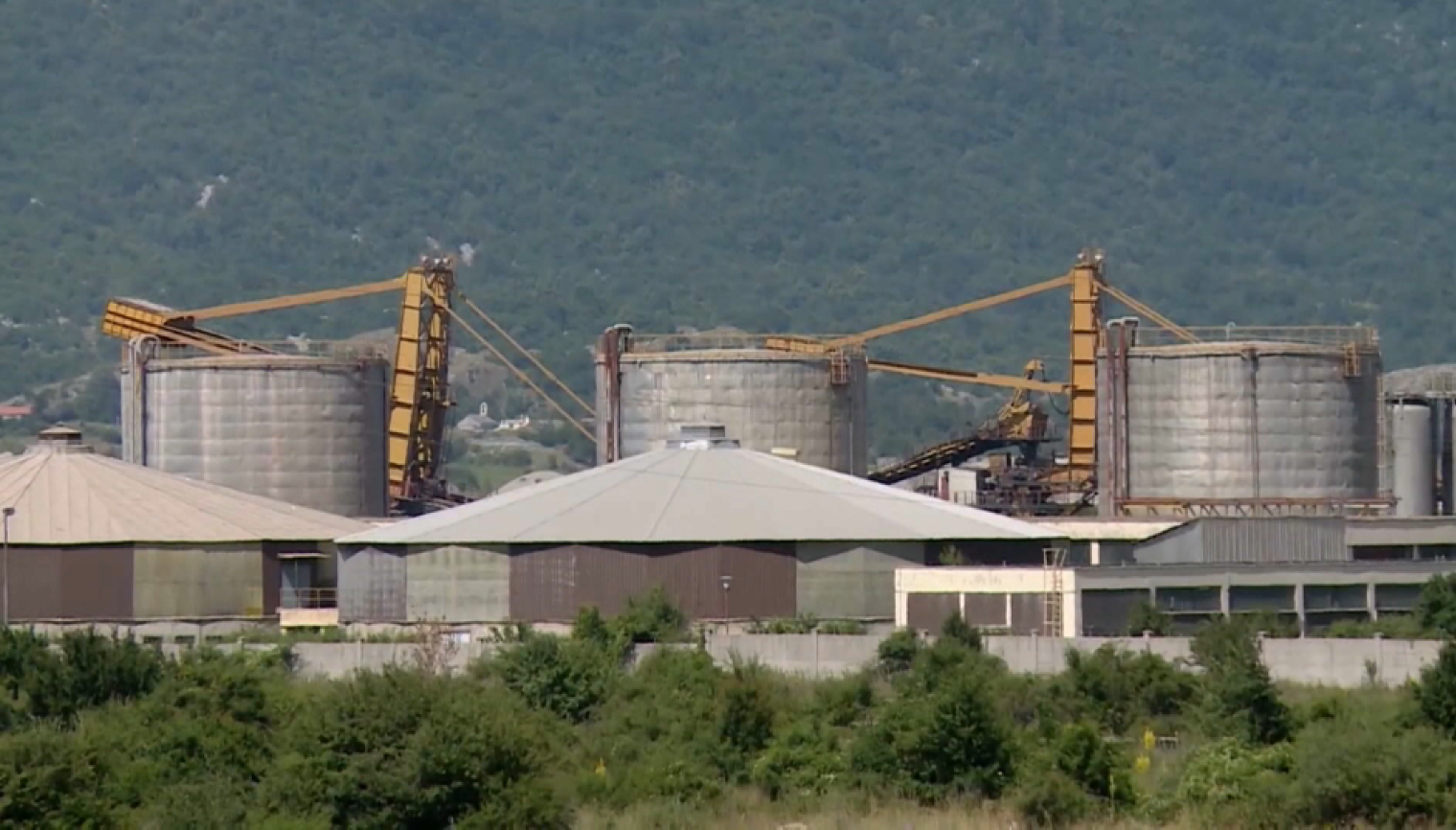
Officials from the Government of BiH's Republika Srpska (RS) entity described their meeting with representatives of Slovenia’s power company Elektrogospodarstvo Slovenije as successful, as both sides discussed settling the entity’s remaining obligation of €67 million in interest related to an arbitration ruling against the Ugljevik Coal Mine and Thermal Power Plant.
The deadline for reaching an agreement expired on Friday but has now been extended until April. However, if a settlement is not reached by then, Bosnia and Herzegovina could face arbitration claims estimated at nearly €700 million - roughly ten times the current disputed amount.
RS Minister of Energy and Mining Petar Djokic described Thursday’s talks with Slovenian representatives as productive. According to him, negotiations are currently focused on settling €67 million, including accrued interest. He noted that €30 million has already been written off, leaving an outstanding obligation of approximately €37 million.
He added that the Government of Republika Srpska has presented its arguments regarding repayment timelines and financial capabilities, which Slovenia’s side will review in the coming month.
“We have undertaken the obligation to officially inform the RS Government about the progress of negotiations and to provide guarantees that the financial obligation toward the Slovenian side will be settled by the Ugljevik Coal Mine and Thermal Power Plant,” Djokic said.
He explained that Elektroprivreda Republike Srpske, as the parent company, would act as guarantor, and that the RS Government would assume responsibility only if both companies fail to meet their obligations.
RS Prime Minister Savo Minic confirmed that the deadline for activating international investment arbitration - which could result in significantly higher financial liabilities - has been postponed until April. The issue was also discussed during a government session reviewing the business plan of Elektroprivreda Republike Srpske.
“I requested additional data. One of the reasons is yesterday’s meeting in Slovenia, which was, I would say, very successful in terms of arbitration proceedings that were threatening us, as the deadlines for activating them have now been extended until April,” Minic said.
The Slovenian side has offered limited public comment. The Slovenske elektrarne holding company, which includes Elektrogospodarstvo Slovenije, declined to discuss the progress or dynamics of negotiations.
Bosnia and Herzegovina’s State Attorney’s Office also declined to comment when asked what could happen if the country fails to meet future deadlines. The institution previously stated that it is monitoring negotiations and will take necessary measures to protect state interests.
Former State Attorney Mladjan Mandic expressed doubts about the likelihood of a settlement.
“Any agreement would effectively end arbitration, meaning that if a deal is reached beforehand, arbitration would not proceed. However, this arbitration process has already lasted five or six years. Such an agreement could be purely internal, and arbitration bodies could still be informed that negotiations are ongoing. In my opinion, these are empty stories, and ultimately Bosnia and Herzegovina - or Republika Srpska - will pay the full amount,” Mandic said.
Transparency International Bosnia and Herzegovina warned that activating arbitration could severely burden public finances.
“Everything depends on whether the two sides reach an agreement. The arbitration case, valued at nearly €700 million, threatens to be activated in Washington. That is something our public finances simply cannot sustain,” said TI BiH representative Damjan Ozegovic.
Economic analysts warn that if a settlement is not reached, the financial burden could ultimately fall on citizens through higher electricity prices or increased taxes.
The Slovenian side claims rights to a share of electricity produced at the Ugljevik power plant, citing investments made during the former Socialist Federal Republic of Yugoslavia in the construction of the coal mine and thermal power plant. The dispute between the two sides dates back to 2011.
Kakvo je tvoje mišljenje o ovome?
Učestvuj u diskusiji ili pročitaj komentare


Kakvo je tvoje mišljenje o ovome?
Učestvuj u diskusiji ili pročitaj komentare