

 Srbija
 Hrvatska
 Slovenija


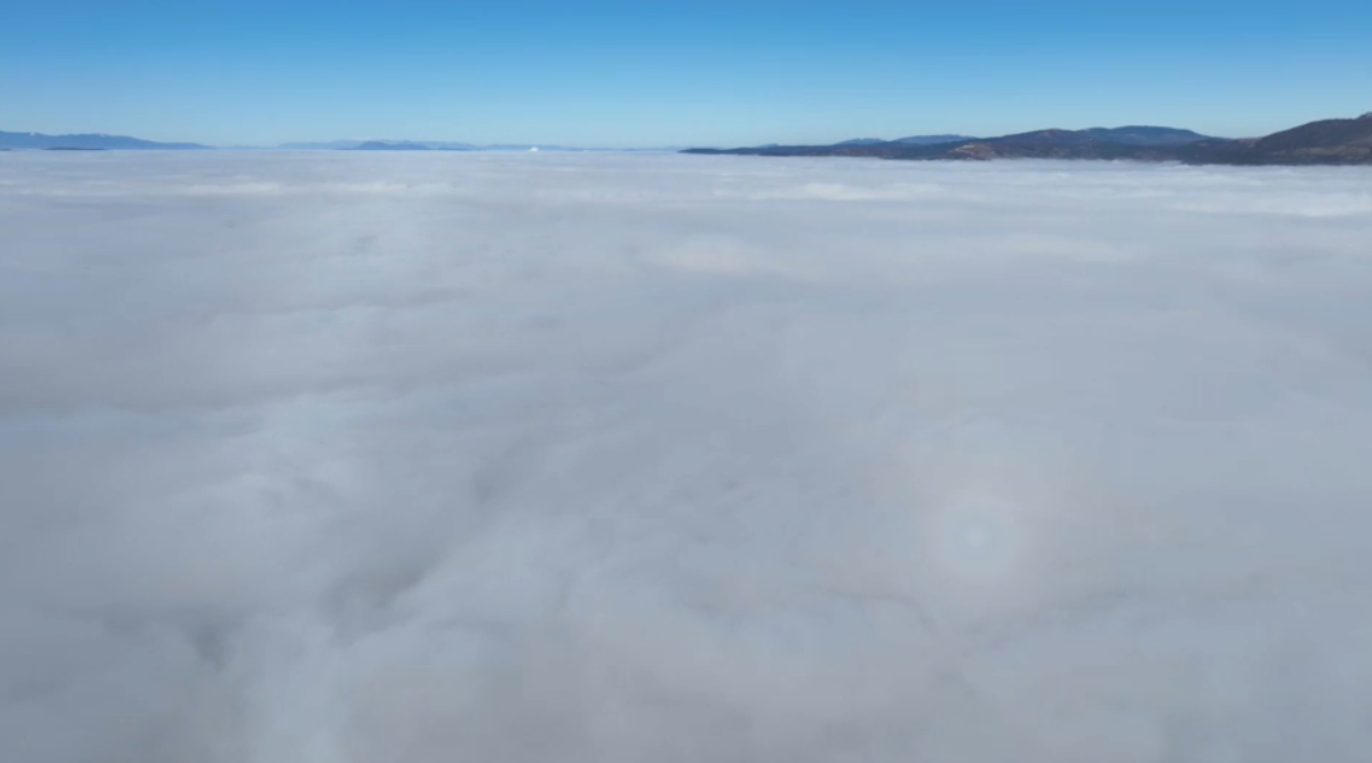
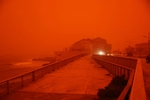
Air quality in Sarajevo ranged from polluted to extremely polluted on Monday, with no improvement expected in the coming days, according to the Sarajevo Canton Institute of Public Health. Authorities warned that stable weather conditions and a persistent temperature inversion are trapping harmful pollutants over the city, posing serious health risks.
Based on measurements taken at automatic monitoring stations across the canton by midday, air quality was recorded as polluted in Vijecnica, Bjelave, Ilijas and Hadzici, very polluted in Ilidza, and extremely polluted in Saraj Polje, Otoka and Vogosca.
In addition to elevated concentrations of fine particulate matter (PM10 and PM2.5), daily legal limits for nitrogen dioxide (NO₂) were exceeded at monitoring stations in Otoka and Bjelave. Officials said PM10 levels continued to rise throughout the day and could approach emergency thresholds.
An air-pollution alert has been in effect since January 16 for the city’s most affected zones, while warning episodes remain active elsewhere in the canton.
Meteorologists say the situation is unlikely to improve soon. Calm conditions, weak winds and a strong temperature inversion - particularly during night and early morning hours - are preventing the dispersion of pollutants in the Sarajevo valley. Fog and cold air trapped close to the ground further worsen the buildup of smog.
Health authorities have advised residents, especially vulnerable groups such as children, pregnant women, the elderly and people with chronic illnesses, to avoid outdoor activities and remain indoors with minimal ventilation.
Sarajevo’s current situation reflects a long-standing winter pattern. The Bosnian capital is consistently ranked among Europe’s most polluted cities during colder months, when emissions from household heating - particularly coal and wood - combine with traffic pollution and unfavorable geography. Nestled in a narrow valley, Sarajevo is especially prone to prolonged smog episodes during periods of atmospheric stability.
International air-quality rankings and environmental studies have repeatedly highlighted Sarajevo alongside cities such as Skopje and Kraków for high wintertime pollution levels. Public health experts warn that prolonged exposure to fine particulate matter significantly increases the risk of respiratory and cardiovascular diseases, as well as premature mortality.
Despite repeated warnings and action plans, progress in reducing emissions has been slow. Environmental groups and health professionals continue to call for accelerated investment in cleaner heating systems, stricter vehicle emissions controls and long-term urban air-quality strategies.
For now, officials say residents should prepare for several more days of hazardous air conditions, as forecasts show no significant change in weather patterns that would allow the city’s air to clear.
Kakvo je tvoje mišljenje o ovome?
Učestvuj u diskusiji ili pročitaj komentare


Kakvo je tvoje mišljenje o ovome?
Učestvuj u diskusiji ili pročitaj komentare