

 Srbija
 Hrvatska
 Slovenija


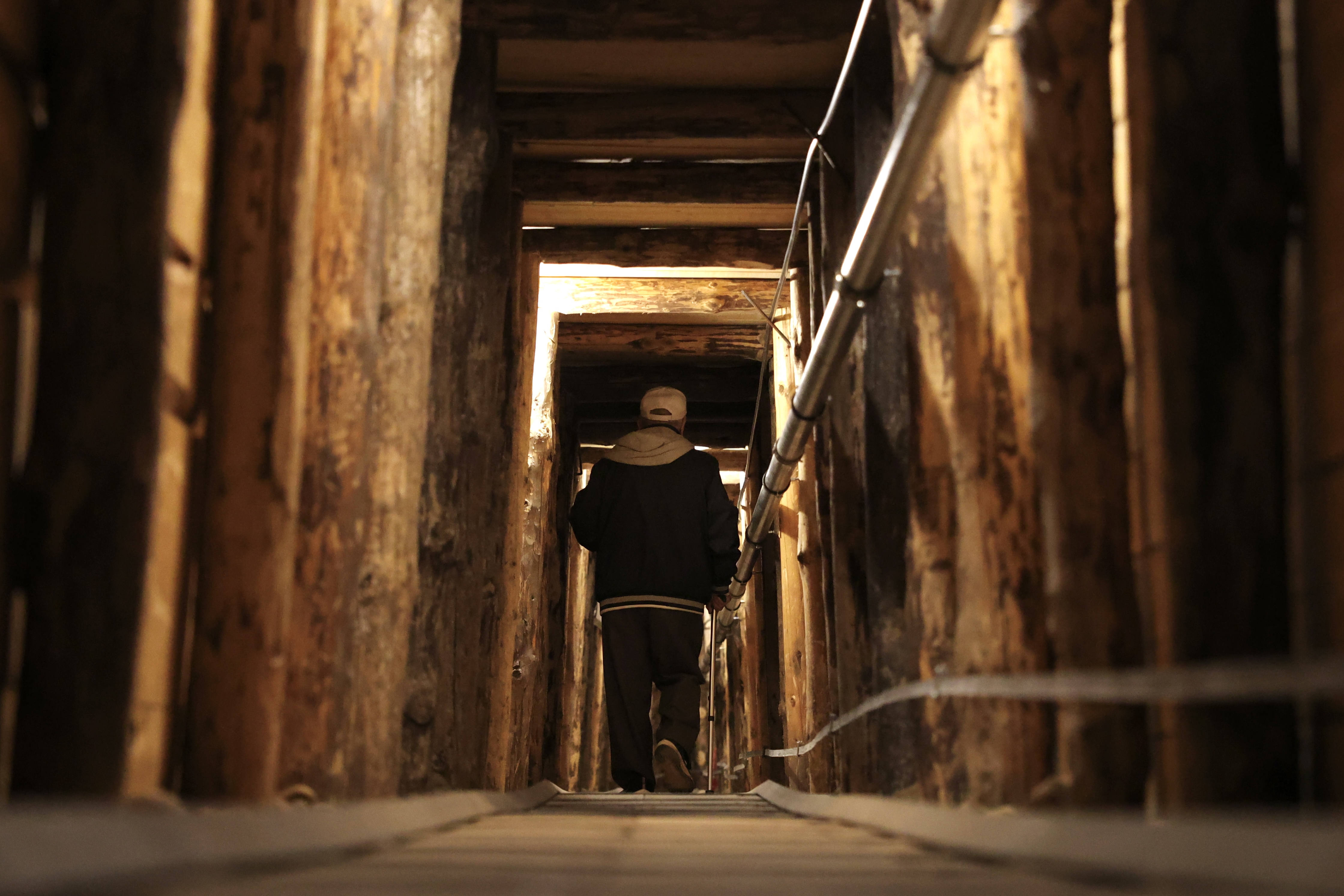
This year marks the 32nd anniversary of the digging and commissioning of Sarajevo’s Tunnel of Hope, the crucial lifeline built in 1993 to connect the besieged capital of Bosnia and Herzegovina with the outside world. Completed during the height of the siege, the tunnel remained Sarajevo’s only supply route until the end of the war in 1996. Today, it serves as a symbol of resistance, resilience, and remembrance.
“The anniversary of the completion of the Sarajevo War Tunnel (Tunnel D-B) is officially marked on July 31 in the Sarajevo Canton’s calendar of significant dates. However, the historic moment occurred during the night of July 30, 1993, when two diggers, one from Dobrinja and the other from Butmir, met beneath the Sarajevo airport runway and shook hands,” said Belma Cuzovic, Head of Event Coordination at the Sarajevo Memorial Centre, in a statement to FENA.
She noted that this year marks exactly 32 years since that pivotal moment, which, for residents of besieged Sarajevo, represented salvation, and for the history of resistance, a symbol of ingenuity, determination, and the will to survive.
A tunnel built under fire
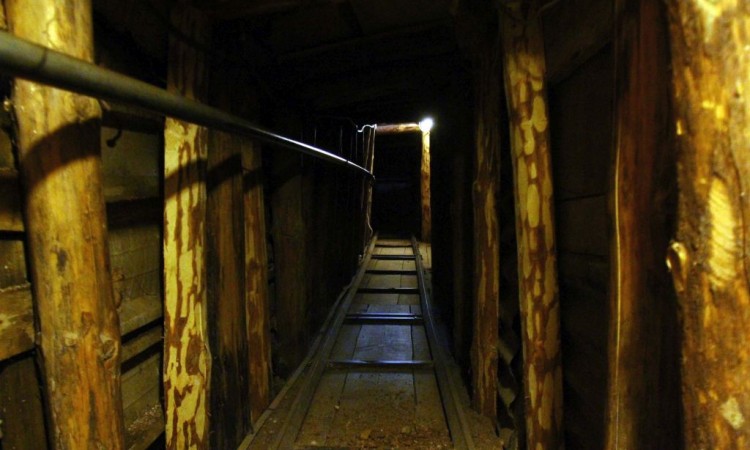
The Dobrinja–Butmir tunnel, widely known as the Tunnel of Hope, stands as one of the most significant symbols of Sarajevo’s endurance during the 1,425-day siege. Construction began in January 1993, under extreme conditions and without mechanised equipment. Some 300 workers dug 800 meters of tunnel in three daily shifts, without a single day of rest and under constant threat of enemy fire.
“Throughout the war, civilians, the wounded, humanitarian aid, and even weapons passed through the tunnel daily. It was the only link between Sarajevo and the rest of the country and world, the city’s sole means of survival,” Cuzovic emphasised.
Centre
From lifeline to landmark
Three decades later, the Tunnel of Hope is no longer just a historical landmark. It is now the most visited memorial complex in Bosnia and Herzegovina. The Sarajevo Memorial Centre, which manages the site, continues to record record-breaking visitor numbers year after year.
According to the Centre, more than 100,000 people have visited Tunnel D-B in 2024 alone. They stress not only satisfaction with the turnout but pride in the recognition the site has gained.
“Visitors now include not only tourists but also students, scholars, historians, and international delegations. Among the notable visits this year was that of Slovenian President Natasa Pirc Musar, who expressed deep respect for the tunnel’s role in modern European history,” the Centre stated.
The site welcomes guests from all over the world, with the largest numbers coming from Arab countries, Turkey, China, South Korea, and across Europe. In addition to tourist groups, the tunnel is also visited by local schools through the “School of Memory Culture” educational program, as well as by participants in international summer schools and academic seminars.

A Day of remembrance and education
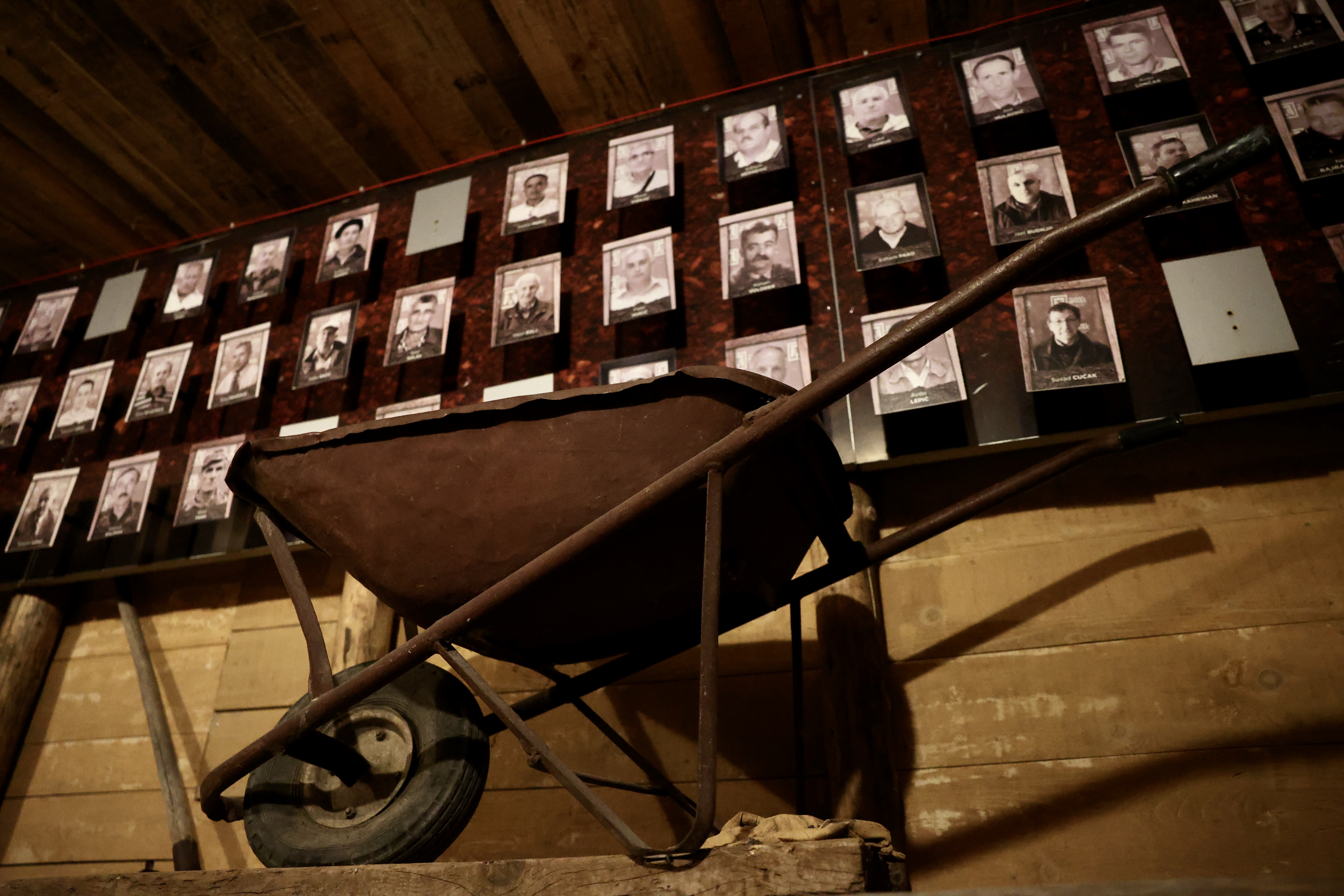
To mark the 32nd anniversary, the Sarajevo Memorial Centre is organising an Open Day at the Tunnel of Hope. The commemoration will include the opening of a new exhibition titled “Transformation — From Earth to Salvation, From Salvation to Memory”, curated by Belma Cuzovic. The exhibit explores the tunnel’s transformation from a wartime lifeline to a modern memorial dedicated to peace and remembrance.
“The Tunnel D-B remains a permanent witness and guardian of Sarajevo’s and Bosnia and Herzegovina’s collective memory. Its significance goes beyond history; it is educational, cultural, and civilizational. Just as it once served as a corridor of life, today it is a corridor of knowledge and remembrance, a place where the past speaks with a message, and the future learns the price of freedom”, concluded the Memorial Centre.
Kakvo je tvoje mišljenje o ovome?
Učestvuj u diskusiji ili pročitaj komentare


Kakvo je tvoje mišljenje o ovome?
Učestvuj u diskusiji ili pročitaj komentare