


 Srbija
 Hrvatska
 Slovenija

Bosnia and Herzegovina’s tobacco industry collapse: From domestic production to being major cigarette importer



The tobacco industry in Bosnia and Herzegovina, dating back to the late 19th century, was for decades one of the pillars of domestic production and employed thousands of workers across the country. Today, the industry has almost completely shut down, and BiH has become a major importer of cigarettes.
The processes of transition, privatization and changes in fiscal policy have marked the last two decades of the industry’s existence. It once represented a significant segment of the domestic economy.
Large industrial systems before shutdown
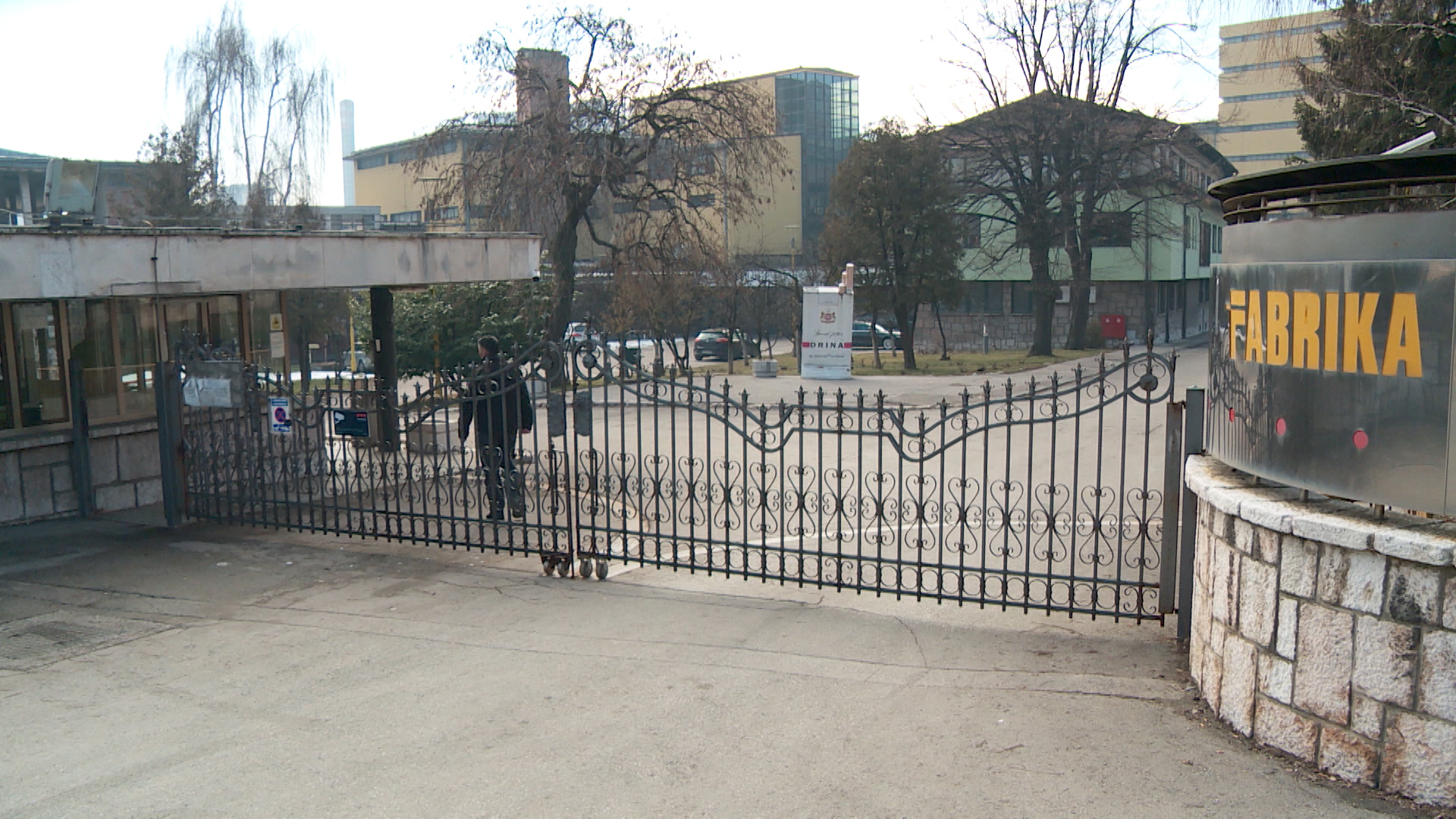
The Sarajevo Tobacco Factory (FDS), founded in 1880, was one of the symbols of BiH’s industrial development for more than 140 years. During the 1990s, it employed around 3,000 workers. After years of financial problems and changes in ownership structure, the number of employees steadily declined. Data from 2017 show that the factory had 244 employees shortly before the final shutdown of production.
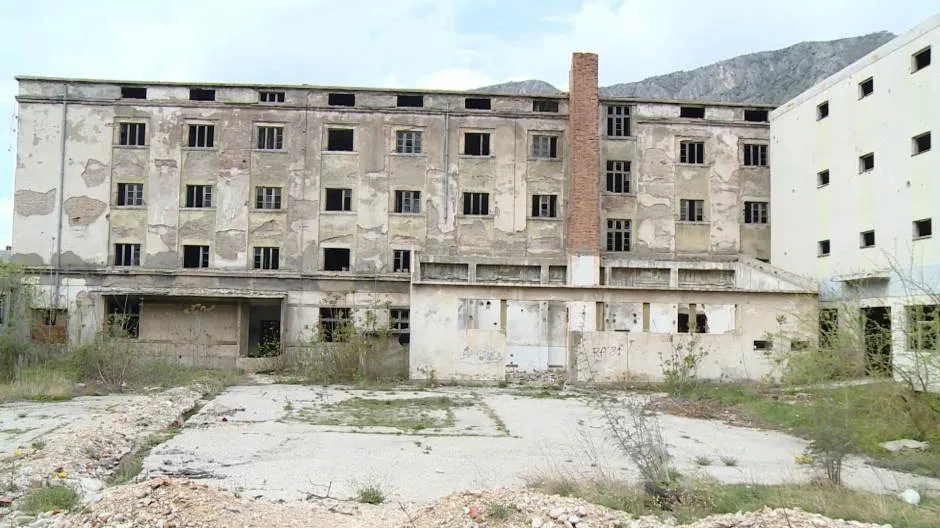
The Mostar Tobacco Factory (FDM) was privatized and closed in 2007. The production shutdown left between 120 and 130 workers without jobs.
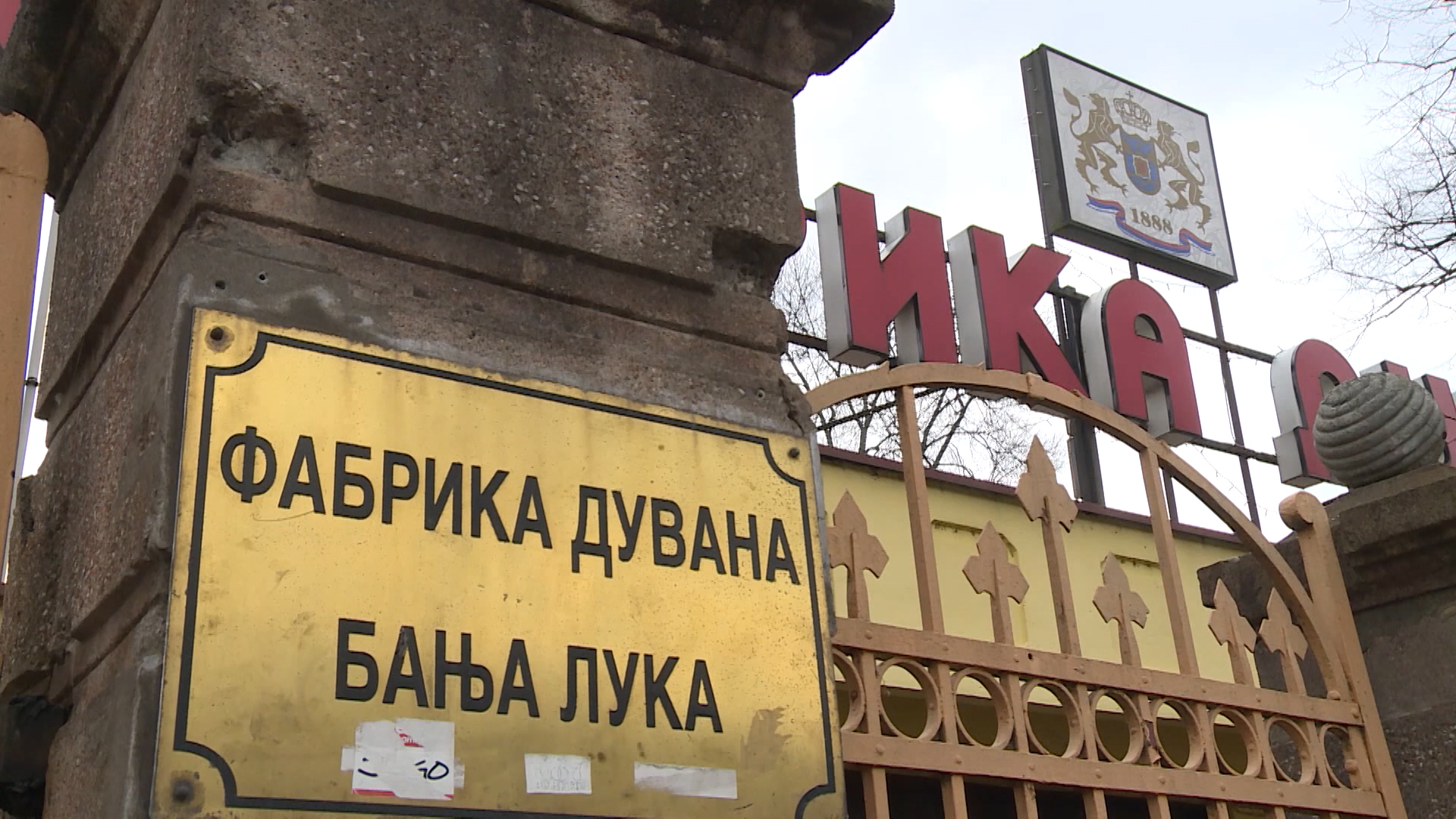
The Banja Luka Tobacco Factory also underwent privatization, and production was shut down in 2018. According to available statistics from 2017, it employed 222 workers immediately before its closure. At its peak in 1989, it employed 1,350 people, with annual production of around 9,000 tons of cigarettes.
The closure of these three factories effectively ended domestic industrial cigarette production in BiH.
Brands that evoke nostalgia
The Drina brand, once the trademark of the Sarajevo Tobacco Factory and one of the most recognizable domestic products, is no longer produced in Bosnia and Herzegovina. After the sale of FDS to British American Tobacco in 2016 and the final shutdown of production in Sarajevo in 2019, manufacturing was moved abroad. Drina is currently produced in Poland and imported to the BiH market, turning a former symbol of domestic industry into an imported product.
The brands “Herzegovina” and “Morava” were trademarks of the Banja Luka Tobacco Factory. Production ceased after a majority stake was taken over by a Bulgarian company that pledged to maintain production for five years. However, these cigarettes are no longer on the market.
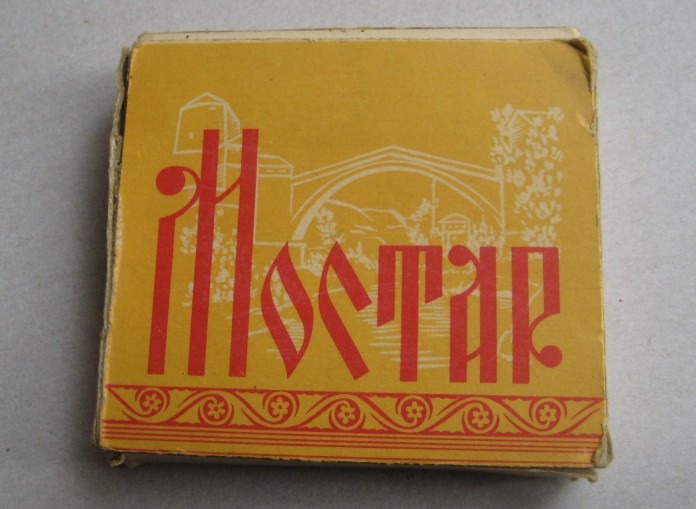
The brands “Mostar,” “Drina,” and “Trend,” most often without filters, were the main products of the Mostar Tobacco Factory. Today, all that remains of the once major industrial complex is a concrete shell.
Causes of collapse: Privatization, management and fiscal policy
Former workers and union representatives cite unsuccessful privatization processes and poor management as key reasons for the collapse of the once-powerful industry.
Mehmed Avdagic, president of the Independent Trade Union of Tobacco Industry Workers of Bosnia and Herzegovina and a former employee of the Sarajevo Tobacco Factory, previously told media outlets that “poor capital management and wrong decisions by the authorities led to the collapse of the factory,” emphasizing that strategic decisions and management policies contributed to the downfall of the former industrial giant.
Marko Ivankovic, director of the Federal Agro-Mediterranean Institute in Mostar, believes that bureaucratic obstacles and an unclear legal framework further complicated the operations of domestic producers.
Economic experts have also pointed to increases in excise duties on cigarettes and a complex fiscal policy, stating that domestic producers became less competitive compared to imports of finished products.
On the other hand, the Indirect Taxation Authority of BiH has previously stated that excise duty policy is aligned with European directives and represents an important source of budget revenue at all levels of government.
Decline in domestic tobacco cultivation
The closure of factories also had direct consequences for farmers engaged in tobacco cultivation, a traditional agricultural branch in Herzegovina and parts of northeastern Bosnia.
Without a domestic industry purchasing raw tobacco, the market has nearly disappeared. The last tobacco station in Herzegovina closed in 2012, ending the organized purchase of domestic tobacco.
Many producers shifted to other crops or abandoned production entirely. According to available research, producers of traditional Herzegovinian tobacco — known as “Herzegovina Plain” — state that production has almost completely ceased due to the lack of stable purchasing arrangements or interest from large processors.
BiH now a major cigarette importer
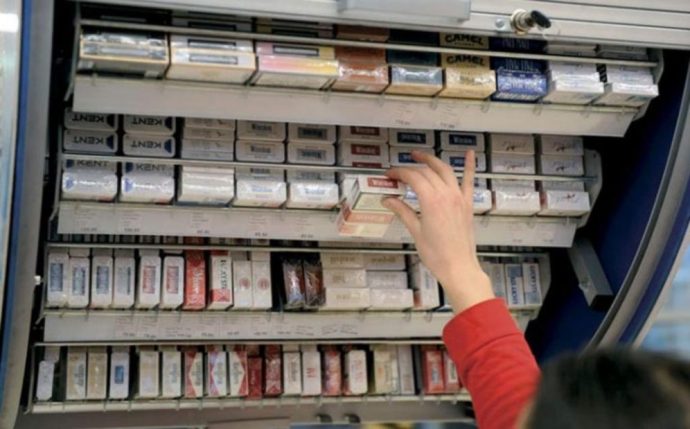
Following the complete cessation of domestic production, the cigarette market in BiH relies heavily on imports.
According to the UN Comtrade database for 2023, Bosnia and Herzegovina imported around 4,689 tons of cigarettes worth 66.6 million US dollars (approximately 127 million KM), mainly from Serbia and Croatia.
This marks a complete transformation compared to the period when the country had developed domestic production and its own cigarette brands. Today, the majority of cigarettes sold in BiH are produced abroad.
With the collapse of the tobacco industry, BiH lost one of its oldest industries, thousands of jobs, and a production chain that connected factories and farmers. Debates over the causes and responsibility continue, but the fact remains that the once-strong industrial sector has been reduced to a market almost entirely dependent on imports.
Kakvo je tvoje mišljenje o ovome?
Učestvuj u diskusiji ili pročitaj komentare


Kakvo je tvoje mišljenje o ovome?
Učestvuj u diskusiji ili pročitaj komentare