Srbija
 Hrvatska
 Slovenija

Citizen complaints surge as human rights ombudsmen warn of systemic failures


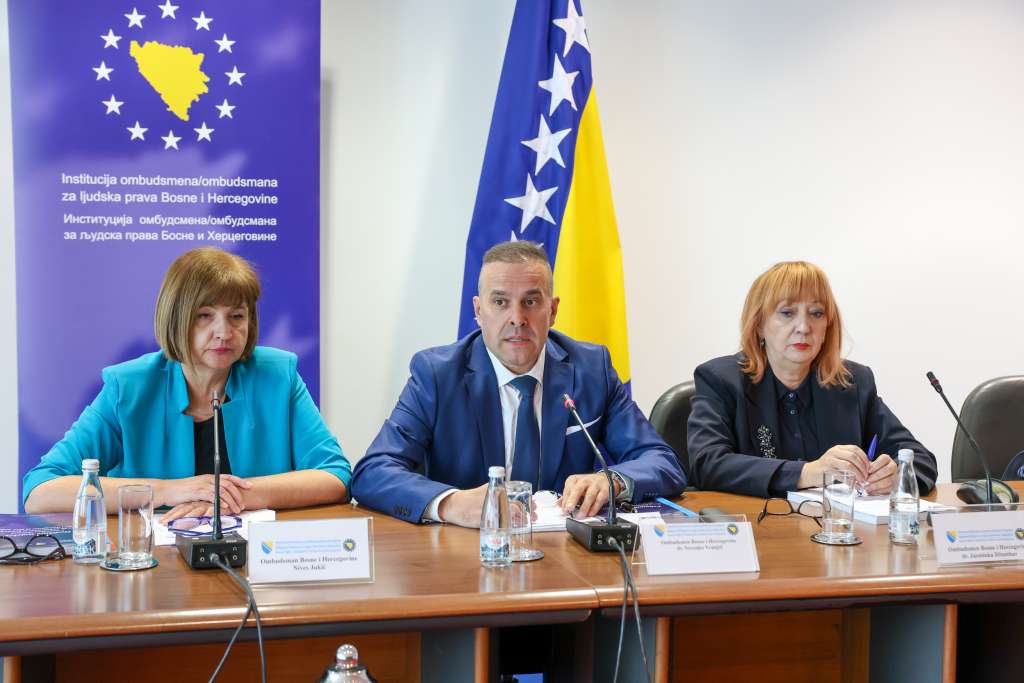
The Institution of Human Rights Ombudsmen of Bosnia and Herzegovina has released its Annual Report for 2025, painting a stark picture of a deteriorating human rights landscape. Presented in Sarajevo, the findings reveal a sharp increase in citizen grievances and widespread institutional neglect, with officials warning that the individual is increasingly being sidelined by the state.
Formal complaints rose by approximately 34% last year, with the institution handling 3,759 formal cases and over 9,000 general submissions. Ombudswoman Nives Jukic noted that while civil and political rights cases remain the most prevalent, there is a concerning rise in issues involving the judiciary, public administration, and the rights of vulnerable groups.
A crisis of accountability
One of the most damning revelations in the report is the persistent disregard for official recommendations. Ombudsman Nevenko Vranjes highlighted that the implementation rate for ombudsman directives remains below 50%. This figure stands in poor contrast to a regional average of 70% and a European average of 80%, suggesting a significant lack of institutional accountability in Bosnia.
The report identified several areas where rights violations have intensified, most notably in discrimination cases, which soared by 60% due to workplace harassment and bias related to ethnicity, gender, and religious conviction.
Child welfare also saw a decline, with inquiries regarding children's rights increasing by 35% as families struggled with limited access to healthcare, education, and the fallout from contentious divorce proceedings. Furthermore, a 47% rise in complaints concerning police conduct was recorded, with citizens frequently citing unprofessionalism. This was mirrored by a 46% increase in complaints regarding economic and social rights, while Freedom of Information requests saw a 30% rise.
Systemic obstacles and vulnerable groups
Ombudswoman Jasminka Dzumhur criticised the lack of coordination across different levels of government, particularly within the Federation of BiH. She warned that this fragmentation has led to legal uncertainty and "geographic discrimination," where a citizen’s access to rights depends largely on their place of residence. The report also noted that the returnee population remains in a precarious position, with roughly 100,000 individuals still awaiting housing solutions amidst reports of attacks on property.
Despite these challenges, there were modest steps toward structural reform. With support from the Council of Europe, a new preventive mechanism was established to protect the rights of persons deprived of liberty. However, the Ombudsmen stressed that significant gaps remain, particularly the lack of facilities for children with behavioural disorders and the need for a more robust, coordinated response to domestic violence.
The institution concluded that while the rise in complaints suggests a worsening human rights climate, it also reflects a growing determination among the public to seek legal protection. The primary challenge for the coming year remains compelling state institutions to move beyond generalities and address the specific needs of the individual.
Kakvo je tvoje mišljenje o ovome?
Učestvuj u diskusiji ili pročitaj komentare


Kakvo je tvoje mišljenje o ovome?
Učestvuj u diskusiji ili pročitaj komentare